
Houthis Strike Riyadh Financial District, Damaging Aramco Tower
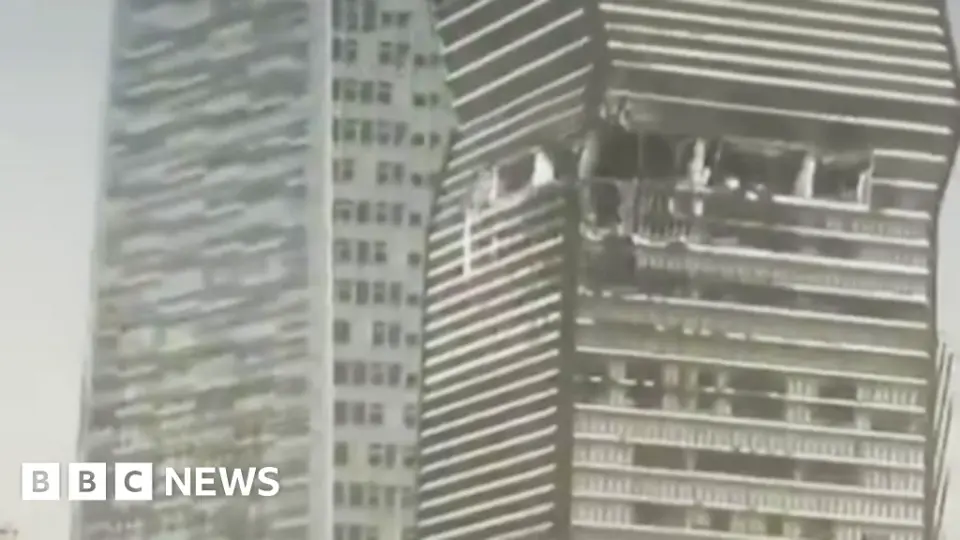
Houthi missiles struck Riyadh on Sunday, damaging an Aramco tower in the financial district. Saudi authorities reported no casualties, while Houthi-run media claimed 39 injuries in Sanaa from retaliatory strikes. The attack marks a sharp escalation in cross-border hostilities.
Key points
- A missile hit an Aramco administrative building in Riyadh's King Abdullah Financial District, causing shrapnel damage to upper floors but no reported injuries.
- Saudi air defenses intercepted multiple cruise and ballistic missiles targeting the capital and southern regions.
- Houthi-run television reported 39 injuries in Sanaa from Saudi airstrikes, while Saudi authorities have not commented on Yemeni casualties.
- The conflict has intensified since July, following an informal ceasefire collapse and Houthi maritime embargoes against Saudi Arabia.
Background
The current escalation follows a decade-long conflict where the Saudi-led coalition supported Yemen's government against the Houthis. Fighting had been dormant until the Iran war outbreak. An informal ceasefire unraveled in July after the Houthis announced a maritime embargo and began attacking Saudi oil facilities and airports. The UN reports over 1,600 killed and 300,000 displaced since fighting resumed. Previous archive coverage noted Houthi threats against Aramco and Saudi strikes on Yemeni oil sites in October 2026.
How outlets are covering it
Outlets differ on the impact in Riyadh. CNN and The New York Times emphasize physical damage, with CNN noting witnesses saw ambulances despite official reports of no injuries, and The New York Times describing a 'gaping hole' in the tower. The Saudi Energy Ministry, cited by CNN and The New York Times, insists damage was minor and no one was hurt. Conversely, BBC highlights Houthi-run media claims of 39 injuries in Sanaa from Saudi airstrikes, a figure Saudi Arabia has not addressed. All sources agree on the interception of missiles by Saudi defenses and the broader context of retaliatory strikes.
Why it matters
The attack on a major state oil company's headquarters in the capital signals a significant escalation in the Yemen-Saudi conflict. It demonstrates the Houthis' ability to reach high-value targets in Riyadh, potentially threatening Saudi economic stability and regional security. The reciprocal strikes highlight the risk of a wider regional conflict involving Iran-backed forces.
What to watch
The Houthis have stated they will continue missile and drone attacks as long as Saudi Arabia maintains airstrikes and blockades in Yemen. Saudi Arabia has not commented on the Sanaa casualties. The situation may further escalate if the current cycle of retaliation continues, potentially involving more critical infrastructure or drawing in other regional actors.
- Aramco Tower hit in heart of Saudi capital as Houthis launch fresh strikes BBC
- Iconic Saudi Tower Hit as Yemen’s Houthis Target Riyadh WSJ
- Aramco: Building owned by Saudi oil giant damaged in missile attack on Riyadh’s financial district CNN
- Africa��s most powerful military joins Bahrain, Kuwait and Syria in fierce backlash over Houthi attacks on Saudi Arabia’s $1.7 trillion oil giant, Aramco Business Insider Africa
- Saudi Aramco Tower Damaged as Yemen’s Houthis Attack Riyadh The New York Times
Want the full story? Read the original reporting
Read on BBC