
Icelanders vote on EU accession talks amid Arctic security fears and fishing disputes
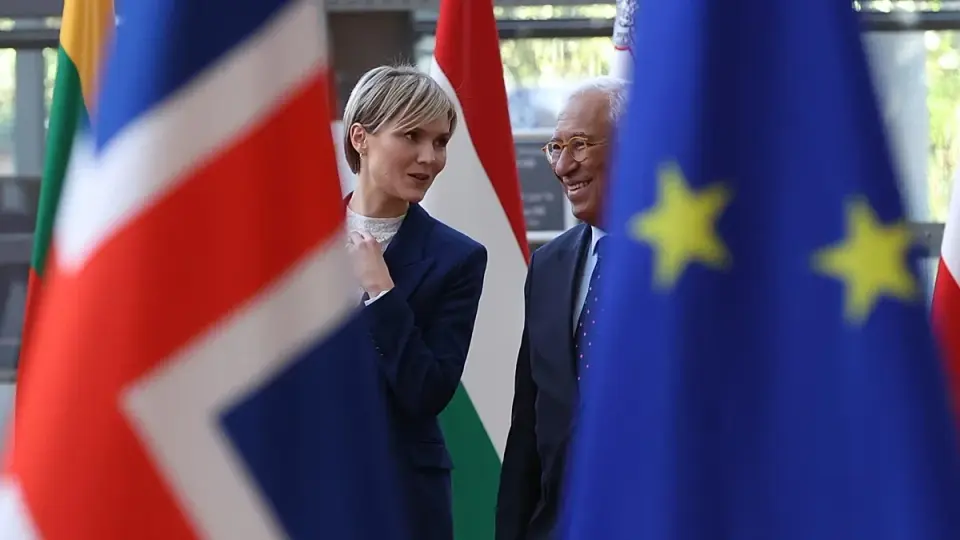
Icelanders voted on August 29 to decide whether to resume negotiations for full European Union membership. The referendum, framed by Prime Minister Kristrún Frostadóttir as a critical opportunity, asks voters to authorize talks rather than immediate accession. A 'Yes' vote would restart negotiations, potentially leading to a second referendum by 2028, while a 'No' vote would shelve the prospect for years. The outcome is closely contested, with polls showing a near tie, driven by debates over sovereignty, fishing rights, and geopolitical shifts in the Arctic.
Key points
- The August 29 referendum determines if Iceland will resume EU accession talks, not immediate membership.
- A 'Yes' vote would trigger a new negotiation process, with Brussels expecting closure within one to two years due to Iceland's existing integration via the European Economic Area.
- A 'No' vote would likely silence the membership debate for decades and represent a setback for the EU's enlargement strategy.
- Fisheries policy remains the primary sticking point, as Iceland seeks to retain control over its territorial waters and mackerel quotas, which account for 40% of exports.
- Geopolitical tensions, including US President Donald Trump's threats regarding Greenland and increased Arctic activity by Russia and China, have intensified the debate on security alliances.
Background
Iceland previously applied for EU membership in 2009 following a financial crisis but suspended talks in 2013 when a Eurosceptic coalition took power. In 2015, the government formally withdrew its candidacy. The current push for a referendum stems from a 2024 pro-EU coalition agreement, which committed to holding a vote before 2027. This follows earlier coverage highlighting the tension between economic benefits of the single market and the loss of sovereignty over fisheries and agriculture.
How outlets are covering it
Euronews emphasizes the economic and procedural aspects, noting that a 'Yes' vote would pressure the EU's enlargement machinery and potentially lead to special exemptions for Iceland's fishing industry, which could trigger similar demands from Irish fishing groups. Politico focuses on the geopolitical dimension, highlighting how US President Donald Trump's threats to annex Greenland have bolstered the pro-EU campaign by framing the EU as a necessary security anchor. While Euronews notes that the campaign remains largely focused on economic issues, Politico argues that sovereignty and security concerns are now central, with pro-EU campaigners arguing that closer ties to Europe are essential for small powers in a shifting global landscape. Both outlets agree that the vote is closely contested, with polls showing a near tie, and that the outcome will depend on turnout and regional voting patterns, with rural areas leaning 'No' due to agricultural and fishing concerns.
Why it matters
The outcome will determine Iceland's future relationship with the EU and its role in Arctic security. A 'Yes' vote could strengthen the EU's enlargement strategy and provide a strategic foothold in the North Atlantic, while a 'No' vote would signal that EU membership is insufficiently attractive to wealthy, northern states. The decision also has implications for the EU's Common Fisheries Policy and could set precedents for future negotiations with other candidate countries.
What to watch
If 'Yes' wins, the European Commission will establish a task force to manage accession talks, with Iceland expected to be a frontrunner. If 'No' wins, the debate on EU membership will likely be silenced for years, and Iceland will continue to rely on its European Economic Area membership and bilateral defense agreements with the US. A second referendum on formal membership could occur as early as 2028 if talks progress.
- Iceland's reckoning moment: What the referendum means for the EU Euronews.com
- Trump’s Arctic saber-rattling boosts Iceland’s pro-EU campaign politico.eu
- Fish, ships and sovereignty: Iceland weighs its European future Reuters
- Iceland EU Vote Bluefield Daily Telegraph
- Is Trump driving Iceland into the arms of Europe? The Times
Want the full story? Read the original reporting
Read on Euronews.com