
Iran and Oman Finalize Hormuz Route Map Amid US Blockade and Rising Tensions
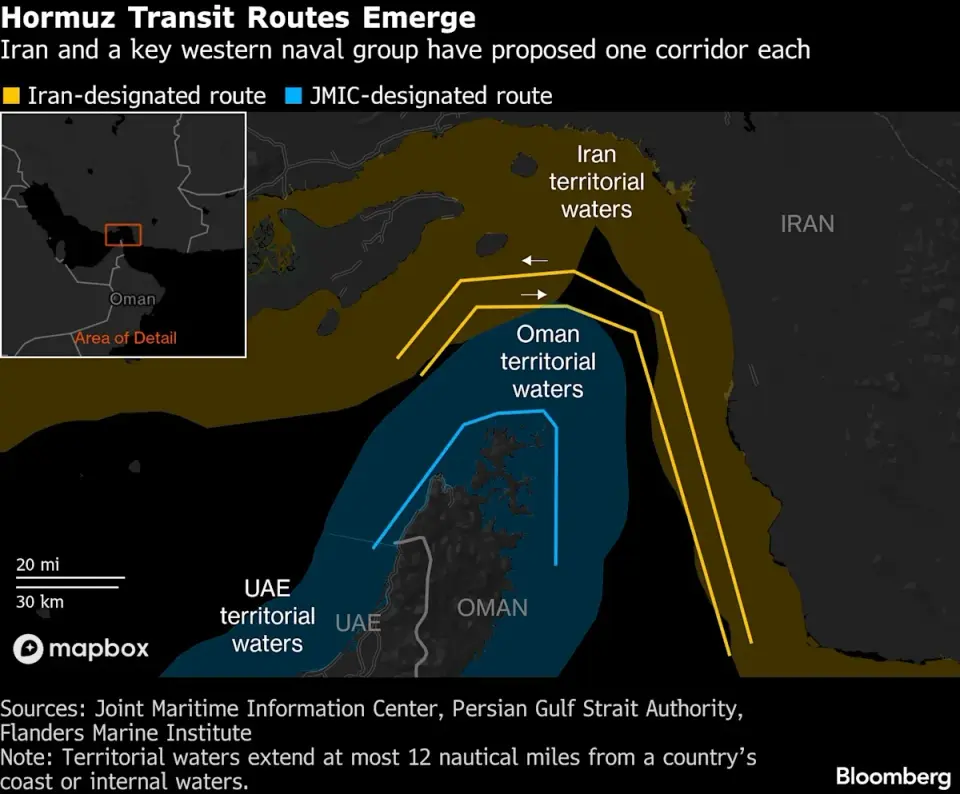
Iran and Oman have reached a technical agreement on shipping routes for the Strait of Hormuz, but full security restoration remains contingent on the US ending its naval blockade. While Tehran claims progress, Washington maintains 'total control' of the waterway, and ship attacks continue to disrupt maritime traffic.
Key points
- Iranian Foreign Ministry spokesman Esmaeil Baghaei confirmed that Tehran and Muscat agreed on a shipping route map after three months of negotiations, following a June 18 memorandum of understanding.
- The agreement is described as an independent arrangement between the two coastal states, but Iran insists full security and normal commercial shipping depend on the US ending its 'illegal' naval blockade and military threats.
- President Donald Trump claimed the US has 'total control' over the Strait of Hormuz, while Iranian Foreign Minister Abbas Araghchi accused Washington of 'miscalculating' Iran's strength in the conflict.
- Shipping traffic remains critically low, with only eight vessels passing through the strait on Tuesday, compared to an average of 130 before the conflict began on February 28.
- The US has redirected 59 ships away from Iranian ports as of August 12, and oil prices eased slightly despite the ongoing tensions and diplomatic impasse.
Background
This development follows a series of escalating incidents in the Strait of Hormuz since late February, including tanker attacks and drone strikes. Previous reports indicated Iran was seeking to bar US and Israeli ships and charge transit fees, while the US demanded unfettered transit. A June 18 memorandum of understanding set a 60-day window for negotiations, which is now approaching its August 17 deadline.
How outlets are covering it
Anadolu Ajansı reports that Iran and Oman have reached a technical agreement on shipping routes, emphasizing that full security depends on the US ending its blockade. Fox News highlights the diplomatic clash, with Iran's foreign minister accusing the US of miscalculation and Trump claiming 'total control' of the strait. Bloomberg and Yahoo Finance note the mounting ship attacks and the US naval blockade, which has redirected 59 ships away from Iranian ports. The outlets differ in their emphasis: Anadolu focuses on the technical progress between Iran and Oman, while Fox News and Bloomberg highlight the broader US-Iran confrontation and the impact on global shipping and oil markets.
Why it matters
The Strait of Hormuz is a critical global energy chokepoint, and any disruption to shipping routes can significantly impact oil prices and global supply chains. The ongoing tensions and diplomatic impasse between the US and Iran, compounded by ship attacks and naval blockades, pose a significant risk to regional stability and global energy markets. The potential for further escalation, especially with the approaching August 17 deadline for negotiations, could have far-reaching consequences for international trade and security.
What to watch
Iran and Oman are expected to continue negotiations on outstanding issues, including a joint statement, until the process is finalized. The US is likely to maintain its naval blockade and 'total control' stance, while Iran may become more aggressive in the coming days, especially with the midterm elections approaching. The August 17 deadline for the 60-day negotiating period outlined in the memorandum of understanding will be a critical juncture, potentially leading to further escalation or a breakthrough in negotiations.
- Iran, Oman Hone in on Hormuz Strait Deal as Ship Attacks Mount Yahoo Finance
- Iran war updates: Tehran, Oman discuss Hormuz; UN delivers West Bank aid Al Jazeera
- Iran, Oman Home In on Hormuz Strait Deal as Ship Attacks Mount Bloomberg.com
- Iran talks tough to US, says Trump 'miscalculated' on Strait of Hormuz Fox News
- Iran says agreement reached with Oman on Strait of Hormuz shipping routes Anadolu Ajansı
Want the full story? Read the original reporting
Read on Yahoo Finance