
Iran Claims Supertanker Sunk by Mine in Strait of Hormuz Amidst Ongoing Naval Blockade
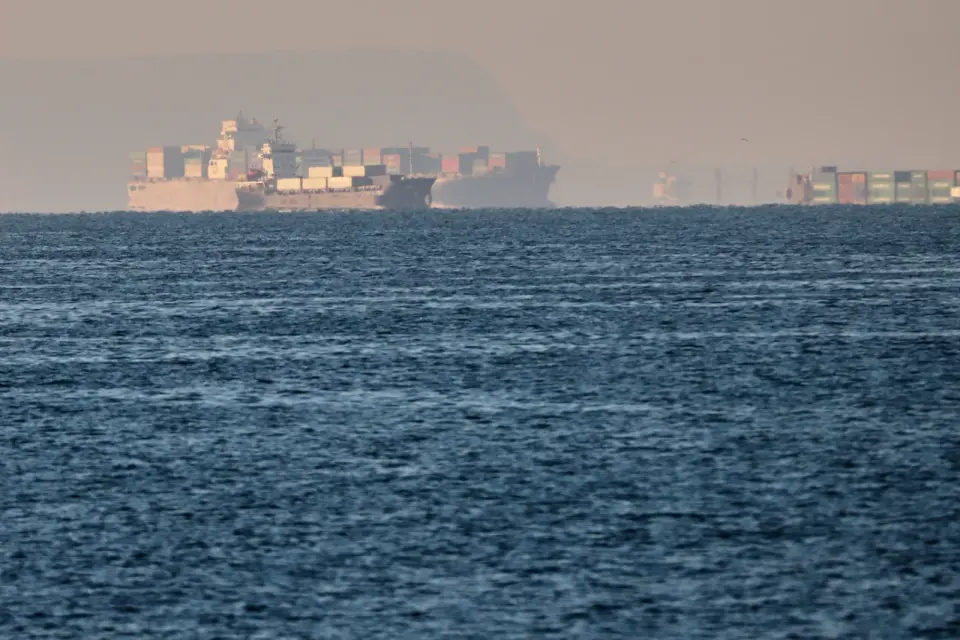
Iran's Revolutionary Guards reported that a supertanker carrying over two million barrels of oil sank in the Strait of Hormuz after striking a naval mine. The incident occurred as Tehran continued to restrict unauthorized transit routes, while the US maintained a naval blockade to secure oil exports. Environmental groups warn that repeated attacks have caused massive, long-term pollution in the Gulf.
Key points
- The Islamic Revolutionary Guard Corps (IRGC) stated that two tankers hit mines in the southern Strait of Hormuz, with one supertanker sinking.
- The IRGC claimed the vessels were using unauthorized routes, a tactic Tehran has used since the conflict began in late February.
- The US military maintains a naval blockade on Iranian ports but claims to have cleared mines from main routes and assisted in exporting 1.5 billion barrels of oil since summer.
- Greenpeace estimates that over 500 oil spills have occurred in the Gulf since the war began, covering an area roughly the size of Wales.
- Iranian officials assert that the Strait will never return to pre-war navigation conditions, rejecting the application of international maritime law to the waterway.
Background
This incident follows a series of maritime disruptions in the Strait of Hormuz, including a previous sinking confirmed in October and a supertanker fire in late October. The ongoing conflict has led to a global oil supply crisis, prompting the International Energy Agency to release 100 million barrels of reserves and driving charter rates for supertankers to record highs, such as the $76 million fee paid by Trafigura in October.
How outlets are covering it
Arab News and OilPrice.com report the sinking based on IRGC statements, noting the lack of independent confirmation and the US claim that mines have been cleared. Mother Jones focuses on the environmental impact, citing satellite data that shows massive oil slicks and warning of generational damage to marine ecosystems. The Telegraph source was inaccessible due to a security block. While the IRGC blames unauthorized routes, the US and UK maritime monitors emphasize the safety of crews and the complexity of verifying specific incidents, with the UK noting a separate report from Indian authorities regarding a tanker attack.
Why it matters
The sinking of a supertanker highlights the continued volatility of the world's most critical oil transit route. With the strait carrying about one-fifth of global oil, such incidents threaten energy security and exacerbate environmental damage in the Persian Gulf, where ecosystems are already under stress from climate change and repeated spills.
What to watch
The US and Iran are likely to continue their standoff over control of the Strait, with Tehran insisting on its authority to regulate transit and the US maintaining its blockade. Environmental groups will continue to monitor satellite imagery for further spills, while global markets may react to any further disruptions in oil supply or increases in shipping costs.
- Iran says supertanker with 2 million barrels of oil sank in Gulf Arab News
- Iran's navy says three tankers on fire after hitting mines in Hormuz Reuters
- Oil supertanker ‘sinks after hitting mine’ in Strait of Hormuz The Telegraph
- Trump’s War Poses a “Generational Threat” to Wildlife in the Persian Gulf Mother Jones
- Iran Says Gas Tanker Hit Mine in Strait of Hormuz Crude Oil Prices Today | OilPrice.com
Want the full story? Read the original reporting
Read on Arab News