
Iranian Strike on US-Contracted Vessel in Hormuz Causes Minor Injuries
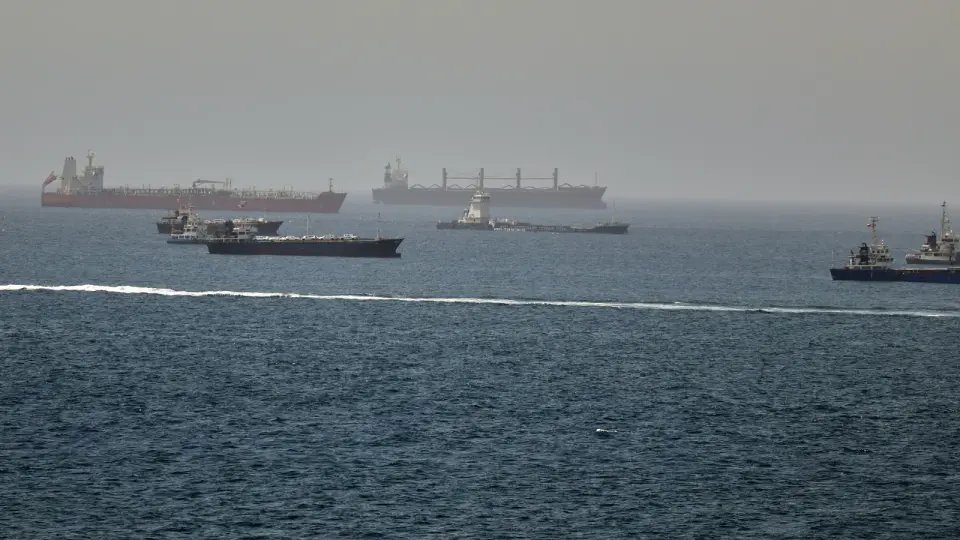
Iranian forces struck a US-contracted vessel near the Strait of Hormuz this week using four drones and at least one missile, resulting in minor injuries to crew members, including US personnel. The incident occurred amid ongoing military hostilities between Washington and Tehran that began in February 2026. While the strike caused smoke inhalation and required medical treatment in a Gulf nation, it did not result in fatalities. This event follows a pattern of maritime confrontations in the region, where Iran has targeted commercial shipping and the US has conducted counter-strikes against Iranian assets. The conflict has disrupted global energy flows, with the Strait of Hormuz handling roughly 20% of worldwide petroleum and LNG shipments. Neither Washington nor Tehran has officially confirmed the specific details of this latest incident, though the broader war has already caused significant damage to US bases and infrastructure in the region.
Key points
- Four Iranian drones and at least one missile targeted a US-contracted vessel near the Strait of Hormuz, with one projectile making direct impact.
- Minor injuries, primarily smoke inhalation, were reported among the crew, including several US individuals who are receiving medical treatment in an unspecified Gulf nation.
- The attack occurred during active US-Iran hostilities that began on February 28, 2026, involving ongoing skirmishes and mutual strikes across the Gulf.
- The Strait of Hormuz remains a critical chokepoint for global energy, managing approximately one-fifth of worldwide petroleum and liquefied natural gas shipments.
- Neither the US nor Iran has issued official confirmation regarding this specific incident, though it follows a series of maritime confrontations in the area.
Background
This incident is part of a broader escalation in the US-Iran conflict that began in February 2026. Previous archive entries indicate a pattern of reciprocal strikes, including an attack on an Iranian vessel off Qeshm Island in September 2026 and earlier tensions involving Houthi actions and Saudi oil facilities. The conflict has also led to significant damage to US military bases in the region, with reports of hundreds of sites and aircraft being damaged or destroyed by Iranian drone and missile forces. Diplomatic efforts, including potential Chinese mediation and UN General Assembly discussions, have been ongoing amidst these hostilities.
How outlets are covering it
Fox News and The Maritime Executive provided the primary details of the strike, citing two sources familiar with the matter, confirming the use of four drones and one missile. NDTV syndicated this report, emphasizing the lack of official confirmation from either government. Iran International highlighted the broader context, noting that the US has redirected over 100 commercial vessels while enforcing a blockade against Iran, and that Iran has threatened to halt regional oil exports if its own are blocked. The Maritime Executive also noted the broader toll on US forces, with over 800 servicemembers injured and 18 killed in the conflict to date, contrasting with the Pentagon's public casualty counts. CNN reported on the incident but the provided text was largely technical code, offering no additional narrative perspective beyond the headline.
Why it matters
The strike underscores the continued volatility of the Strait of Hormuz, a critical global energy corridor. Any disruption to shipping in this area can have immediate impacts on global oil and gas prices. The incident also highlights the ongoing risks to commercial vessels and personnel in the region, despite the lack of official confirmation. It reflects the broader pattern of maritime warfare in the US-Iran conflict, which has already caused significant damage to infrastructure and raised concerns about the security of global supply chains. The potential for further escalation remains high, given the unresolved tensions and the strategic importance of the waterway.
What to watch
Watch for official statements from the US and Iranian governments regarding the incident. Monitor for any further strikes on commercial vessels or military assets in the Strait of Hormuz. Track developments in diplomatic efforts, including potential UN General Assembly discussions and any shifts in the US blockade or Iranian export threats. Observe any changes in global energy prices or shipping routes in response to the heightened tensions in the region.
- US-Contracted Vessel Hit By Iranian Missiles Near Strait Of Hormuz: Report NDTV
- Live - IRGC says it struck tanker in Hormuz as Trump says Iran wants deal but is ‘not ready’ Iran International
- Iran reports commercial vessel struck in Strait of Hormuz CNN
- Report: U.S. Personnel Injured in Iranian Attack on Boat Near Hormuz The Maritime Executive
- Two sailors missing after tanker attacked in Strait of Hormuz, Oman says BBC
Want the full story? Read the original reporting
Read on NDTV