
Iran seeks S-400 air defenses, but Russian production bottlenecks and Ukraine war limit supply
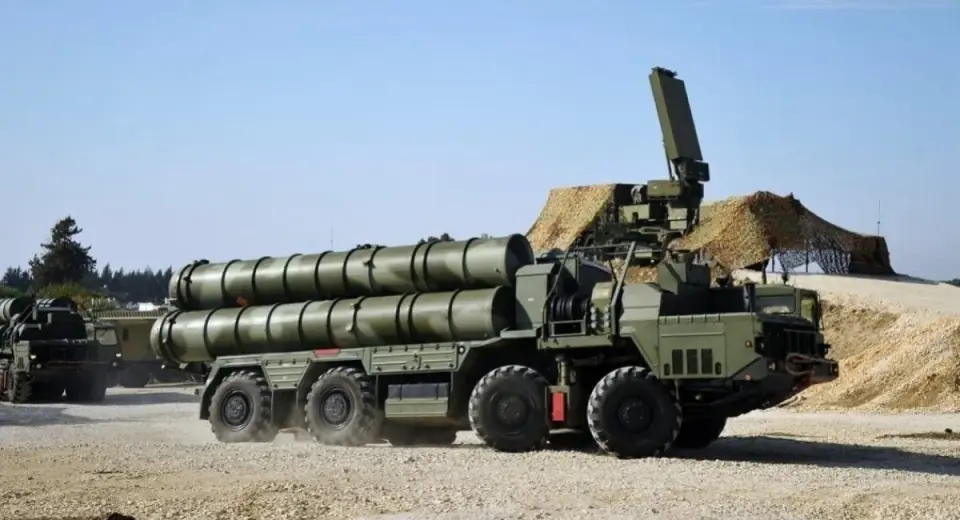
Iranian security chief Mohsen Rezaei met with Russian President Vladimir Putin in Moscow on November 5 to discuss strengthening Tehran’s air defenses, specifically seeking the S-400 system. While Russia has agreed to supply 90 launchers for Kh-39 LMUR missiles and assist with supersonic cruise missile technology, the S-400 deal remains unlikely due to production constraints. Russia’s own air defense needs are strained by Ukrainian strikes on its infrastructure and manufacturing facilities, while sanctions on Western components slow production. Analysts note that while military cooperation is deepening, Moscow is balancing support for Iran against its own wartime demands and diplomatic relations with Washington.
Key points
- Rezaei delivered a letter from Supreme Leader Mojtaba Khamenei to Putin, emphasizing regional security and post-war arrangements.
- Russia agreed to supply 90 APU-L launchers for precision-guided missiles, a deal revealed by the Financial Times.
- S-400 delivery to Iran is hindered by production delays, reliance on Western microelectronics, and Ukrainian strikes on Russian defense plants.
- Iran has set seven conditions for resuming negotiations with the US, including lifting sanctions and ending the naval blockade.
- Qatar is mediating efforts to prevent renewed US-Iran conflict, focusing on the Strait of Hormuz and nuclear program issues.
Background
This follows a series of escalating tensions in the Middle East, including US-Iran military conflicts and regional diplomatic efforts. In October 2026, Iran threatened undersea internet cables in the Persian Gulf, and in November, US midterm elections resulted in Democratic control of Congress, potentially impacting military funding for the Iran war. Earlier in 2026, Russia and Iran signed a comprehensive strategic partnership treaty, and Iran acquired Russian Su-35 fighter jets, though delivery was delayed due to the ongoing conflict.
How outlets are covering it
Defense Express emphasizes the logistical and industrial hurdles preventing S-400 transfers, citing Ukrainian strikes on Russian defense facilities and sanctions on Western components. Iran International highlights the broader scope of Russian-Iranian military cooperation, including secret missile technology transfers and the strategic implications for US naval forces. Al Jazeera focuses on the diplomatic dimension, noting Rezaei’s delivery of a message from Khamenei and Iran’s seven conditions for peace, while underscoring Qatar’s mediation efforts. All sources agree that while military ties are strengthening, Russia’s support is constrained by its own wartime needs and diplomatic balancing act.
Why it matters
The S-400 debate underscores the complex interplay between military cooperation, production constraints, and geopolitical balancing in the Russia-Iran relationship. It highlights how Ukraine’s war efforts are indirectly affecting Middle Eastern security dynamics by limiting Russia’s ability to supply advanced weapons to Iran. Additionally, the diplomatic efforts by Qatar and Iran’s conditions for peace reflect the ongoing struggle to de-escalate tensions in the region amid US midterm election outcomes.
What to watch
Watch for potential shifts in US-Iran negotiations as Qatar continues mediation efforts. Monitor Russian production schedules for S-400 systems to assess any future transfers to Iran. Track Iranian military capabilities, particularly the integration of Russian-supplied missiles and any developments in supersonic cruise missile technology. Observe US military preparations for possible renewed strikes against Iran, as debated by senior officials.
- What Lies Behind russia's Decision Not to Supply Iran with the S-400 Air Defense System? Defense Express
- Iran's security chief discusses regional, bilateral affairs with Putin Reuters
- Khamenei sent security chief to Moscow to seek S-400 air defenses – report Iran International
- Iran’s security chief meets Putin, delivers message from Khamenei Al Jazeera
- Report: Russia in Talks to Supply Iran With Advanced Air Defense Systems Haaretz
Want the full story? Read the original reporting
Read on Defense Express