
Iran-Oman Hormuz Deal Nears, But US Blockade and Munitions Shortages Complicate Reopening
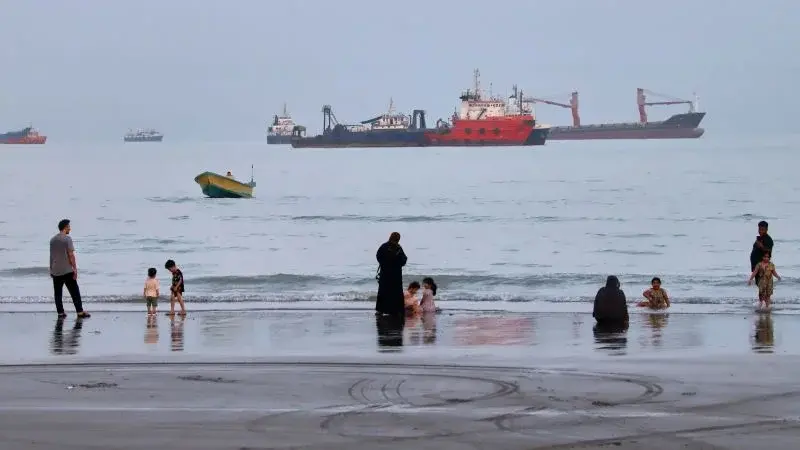
Iran and Oman are finalizing a framework for commercial shipping through the Strait of Hormuz, but Tehran insists full reopening depends on US commitments, including lifting naval blockades and sanctions. Simultaneously, reports of depleted US missile stockpiles have emboldened Iranian-backed groups, while Saudi Arabia braces for coordinated attacks from Iraqi militias and Houthis.
Key points
- Iranian Deputy Foreign Minister Kazem Gharibabadi stated that a deal with Oman is in the 'final stage' but does not guarantee the strait's reopening without US concessions.
- Iran demands the US end its naval blockade, lift oil sanctions, and resume negotiations on frozen assets before the waterway reopens.
- A new Iranian bill proposes barring vessels from 'hostile' nations and charging navigation fees in Iranian currency, with fines up to 20% of cargo value for violators.
- CNN analyst Alex Plitsas warned that reports of the US using 80% of its THAAD interceptors may embolden Iran, creating a 'precarious situation' for Washington.
- Saudi Arabia anticipates 'multiple coordinated attacks' by Iraqi militias and Houthis, citing intelligence reports of imminent strikes guided by Iran's IRGC.
Background
This development follows a June 2026 US-Iran memorandum of understanding that aimed to ensure safe passage for 60 days, which subsequently collapsed. Previous coverage in August 2026 indicated that while Iran and Oman were nearing a transit deal, shipping groups protested proposed fees, and oil markets remained volatile due to unresolved security concerns. The current negotiations represent a shift from the previous 60-day arrangement to a new model of 'effective sovereignty' over the strait.
How outlets are covering it
CNN and AP News agree that Iran and Oman are close to a framework, but they differ on the immediate status of the strait. CNN emphasizes Iran's demand for US concessions as a precondition for reopening, while AP notes that a US official stated temporary routes would not have impediments like tolls or charges, contradicting Iran's proposed fee structure. Additionally, CNN highlights the strategic implications of low US munitions stockpiles, whereas AP focuses more on the immediate military escalations in Yemen and Lebanon, such as the killing of Israeli soldiers and Houthi attacks on Saudi targets.
Why it matters
The Strait of Hormuz carries approximately one-fifth of global traded oil and natural gas. A failure to reopen the strait could trigger significant energy price spikes and supply chain disruptions. Furthermore, the reported depletion of US missile defenses and the escalation of attacks in Saudi Arabia and Yemen indicate a broadening regional conflict that threatens to destabilize the entire Gulf region.
What to watch
Watch for a joint statement from Iran and Oman, which Iranian officials say is pending US cooperation. Monitor the implementation of the new Iranian bill regarding vessel restrictions and fees. Additionally, observe whether Saudi Arabia successfully defends against the anticipated coordinated attacks from Iraqi militias and Houthis in the coming days.
- Live updates: Iran says Hormuz deal is close but US must meet commitments before strait reopens CNN
- August 6, 2026 — Trump says US has ‘massive amounts’ of munitions after reports of low stockpile CNN
- Iran Seeks Hormuz Shipping Restrictions Bloomberg.com
- Oil rises on concerns over Strait of Hormuz reopening plans Reuters
- Possible Strait of Hormuz deal, a large attack in Yemen and other Mideast news AP News
Want the full story? Read the original reporting
Read on CNN