
Iran War Depletes U.S. Munitions, Raising Fears of Indo-Pacific Vulnerability
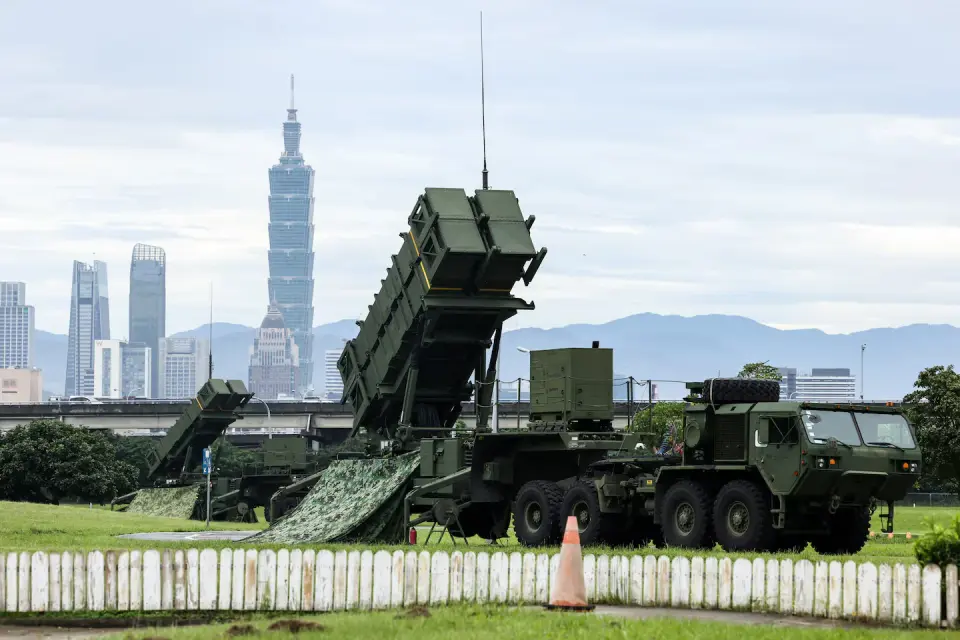
The prolonged U.S. conflict with Iran has severely depleted critical missile stockpiles, including Patriots and Tomahawks, creating a 'window of vulnerability' for the Indo-Pacific. Asian allies like Japan, South Korea, and Taiwan face significant delays in arms deliveries, while NATO officials in Europe report 'beyond critical' shortages. The Pentagon is prioritizing replenishment for the Middle East, straining its ability to deter China and support European defense simultaneously.
Key points
- U.S. stockpiles of Patriot interceptors have dropped to roughly 1,000 units, down from a prewar total of approximately 2,330, with 65% consumed during the Iran conflict.
- More than 1,000 Tomahawk missiles have been fired in the Iran war, drawing from a prewar inventory of 3,100 to 4,500, causing delays for Japan and Taiwan.
- The U.S. diverted over 30 ships and its last Asia-based aircraft carrier, the USS George Washington, to the Middle East, reducing deterrence in the Pacific.
- NATO officials describe Patriot stocks in Europe as 'beyond critical,' leaving limited capability to defend against potential Russian ballistic missile attacks.
- The Pentagon awarded Lockheed Martin a $58.6 billion contract to triple Patriot production by 2030, but current shortages persist.
Background
This crisis follows earlier tensions where the U.S. moved its last Asia-based carrier to the Middle East in August 2026, alarming Asian allies. Previous diplomatic efforts, including a pause in strikes in August, have not resolved the underlying strain on military resources. The conflict has forced a reallocation of assets from the Indo-Pacific, where China has expanded military infrastructure and conducted record drills around Taiwan.
How outlets are covering it
The Washington Post and CSIS emphasize the strategic risk to the Indo-Pacific, noting that the U.S. is likely inadequate for a conflict with China due to depleted long-range missiles. The Associated Press highlights the immediate vulnerability in Europe, where NATO officials cite 'beyond critical' Patriot shortages, though the Pentagon denies these claims, stating the arsenal remains 'deep and ready.' Australian officials, per Politico, are concerned about delays in U.S. missile deliveries, prompting calls to revive local defense industries. While the Pentagon asserts it is 'digging in' in Asia, allies face a contradiction between pressure to spend more on U.S. arms and the reality of delivery delays.
Why it matters
The depletion of advanced missile defenses threatens U.S. deterrence in two critical theaters simultaneously. In the Indo-Pacific, it risks emboldening China, which has set a 2027 deadline for potential action against Taiwan. In Europe, it leaves NATO exposed to Russian ballistic missile threats, potentially forcing a reliance on untested alternatives or exposing gaps in collective defense. The situation underscores the limits of U.S. military logistics and the strain on global alliances.
What to watch
The Pentagon aims to reach a production goal of 2,000 Patriot missiles annually by 2030, with a new European production facility expected to open in Germany in September. However, near-term shortages are expected to persist, with potential delays of up to two years for some Tomahawk deliveries to Japan. The U.S. is also pushing Asian allies to increase their own defense spending and production to mitigate the impact of these supply chain constraints.
- U.S. weapons shortage from Iran war alarms allies confronting China The Washington Post
- The Real Reason There’s a Munitions Shortage The Nation
- Australia wanted more US missiles. The Iran war may make them harder to get. Politico
- Exclusive: US Patriot missile stocks in Europe are 'beyond critical' due to Iran war, officials say News4JAX
- Trump’s Missile Math Problem Foreign Policy
Want the full story? Read the original reporting
Read on The Washington Post