
Iranian Strikes Sink Two Ships in Hormuz as Oil Flows Drop 40%
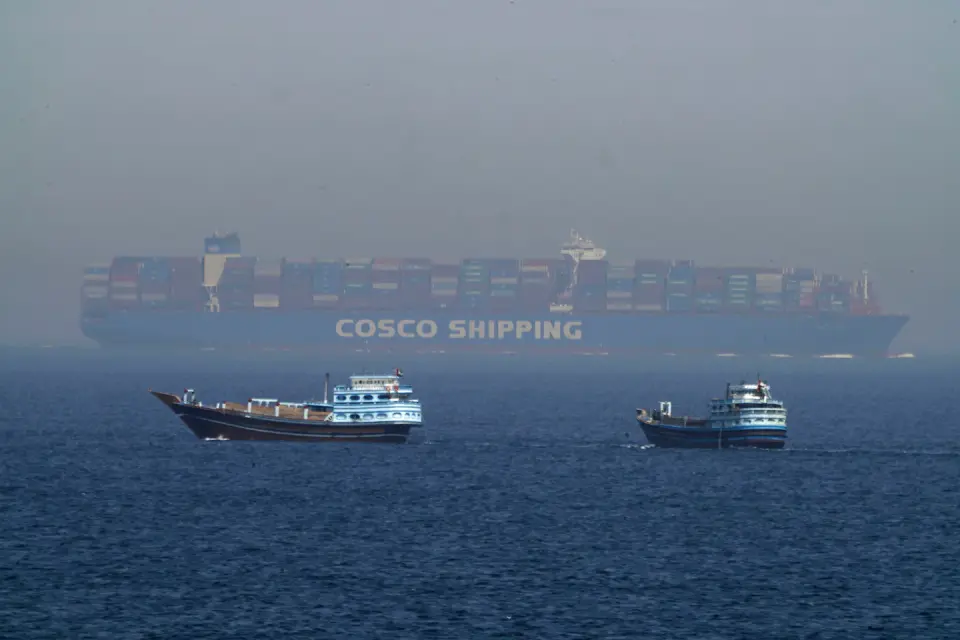
Two container ships, the Singapore-flagged GFS Pride and the Antigua- and Barbuda-flagged Cape Dao, sank near the Strait of Hormuz this week amid a surge in Iranian attacks. While Iran’s Revolutionary Guard claimed the GFS Pride struck a naval mine, maritime authorities and analysts attribute the sinking to unidentified projectiles. The escalation has caused crude oil exports through the strait to fall nearly 40% below pre-war levels, with Tehran allegedly aiming to disrupt energy flows to influence US midterm elections.
Key points
- The GFS Pride sank after catching fire from an attack on Tuesday, with all 21 crew members evacuated safely and no injuries reported.
- The Cape Dao sank shortly after, having been hit by a projectile on September 23, according to International Maritime Organization data.
- Iran’s IRGC stated the GFS Pride hit a naval mine while taking an 'illegal and dangerous route,' but the UK Maritime Trade Operations Centre suggests both vessels were struck by projectiles.
- Crude oil exports through Hormuz averaged 8.5 million barrels per day in the week ending October 12, nearly 40% below normal pre-war levels.
- Iran has reportedly changed tactics, using unarmed spotters in small boats to identify targets after US strikes degraded its radar capabilities.
Background
This escalation follows a period of heightened tensions since the US-Israel war began in 2026. In September, Iranian attacks on tankers resulted in crew injuries and deaths, including a strike that injured eight US Marines. The current surge in attacks represents the sharpest increase in maritime violence since the conflict started, occurring as US fuel prices have surged by nearly 70% since the war began.
How outlets are covering it
The Washington Post and CNBC report the sinking of the GFS Pride as a direct result of an attack, citing the Maritime and Port Authority of Singapore. The Guardian provides a broader context, linking the attacks to Iranian efforts to frustrate US efforts to lower fuel prices before the November 3 midterms. While Iran’s state media claims the ship hit a mine, the maritime security firm Marisks and the UK Maritime Trade Operations Centre dispute this, labeling Iran’s claims as part of a psychological operations campaign. CNBC notes that while Iran claims responsibility for mines, independent evidence supports the projectile theory, highlighting a divergence in official narratives versus maritime intelligence.
Why it matters
The sinking of these ships and the subsequent drop in oil flows threaten global energy supplies and could impact US domestic fuel prices. With US fuel prices up nearly 70% since the war began, the Republican party faces potential electoral consequences in the midterms. Iran’s strategic use of maritime attacks to influence US politics and global oil markets underscores the intersection of military conflict and economic policy.
What to watch
Maritime authorities expect continued volatility in oil shipments through the Strait of Hormuz. The US military continues to guide tankers through the strait via a route nearer to Oman’s coast to avoid Iranian-controlled areas. Analysts anticipate that Iran may maintain its increased tempo of attacks to sustain pressure on global oil prices and influence the US midterm elections in November.
- Iranian attacks sink two ships in Strait of Hormuz The Washington Post
- Iran war live: Cargo ships sunk in Hormuz, Houthis claim Riyadh attack Al Jazeera
- Container ship sinks in Strait of Hormuz as Iran steps up attacks CNBC
- Two container ships sink near strait of Hormuz amid surge in Iranian attacks The Guardian
- Iran shifting tactics to step up attacks on shipping before US vote, officials say Reuters
Want the full story? Read the original reporting
Read on The Washington Post