
Iraq Sets Friday Deadline for Kataib Hezbollah to Vacate Jurf al-Nasr Amid Oil Smuggling Probe
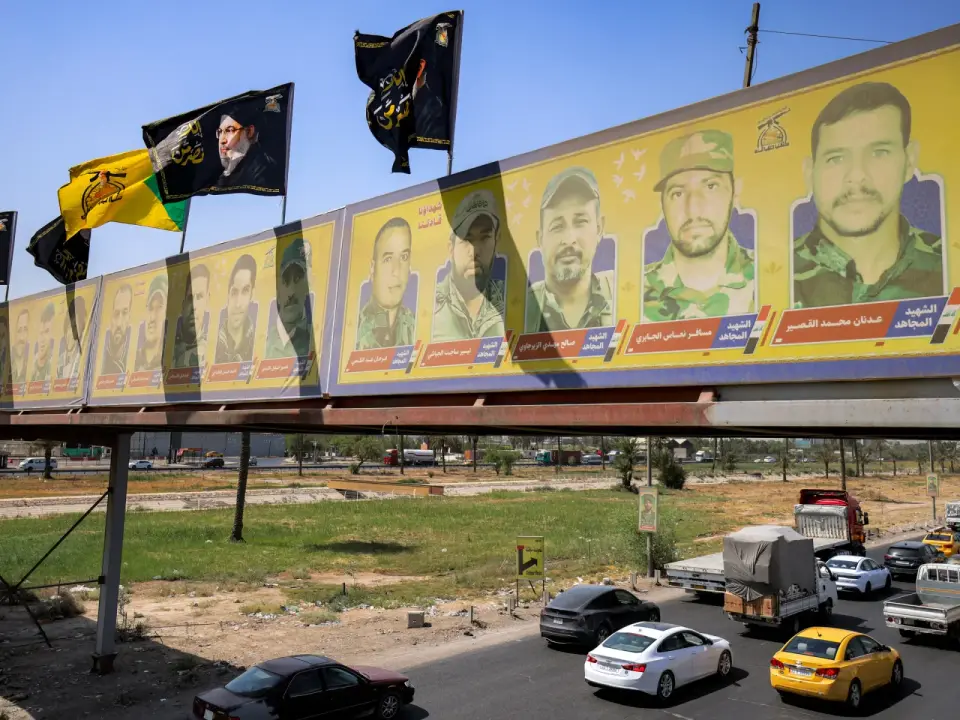
Iraqi Prime Minister Ali al-Zaidi has ordered military forces to deploy around Jurf al-Nasr, a stronghold of the Iran-backed Kataib Hezbollah, setting a deadline of November 20 for the group to withdraw. This move follows a government investigation into alleged oil smuggling that has cost the state hundreds of millions of dollars since 2021. While the government frames the action as an anti-corruption measure, analysts suggest it is a strategic attempt to sever the financial networks of armed factions resisting integration into the state. The situation has triggered internal political clashes, with Badr Organization leader Hadi al-Amiri publicly opposing the military move, and prompted diplomatic efforts by Iran to defuse the standoff. Although the government has dismissed nine senior officials implicated in the probe, experts question whether the action will significantly reduce Iran’s broader influence in Iraq, given the militias’ deep roots in the political and economic systems.
Key points
- Prime Minister Ali al-Zaidi ordered armed forces to enter Jurf al-Nasr, setting a deadline of November 20 for Kataib Hezbollah to leave, according to government spokesman Haidar al-Aboudi.
- A top-secret Interior Ministry report detailed oil theft from federal pipelines in the area since 2021, involving makeshift refineries and underground storage pits.
- Nine senior security and administrative officials in Babil province, including the provincial police chief, were dismissed and referred for judicial action following the investigation.
- Kataib Hezbollah denied involvement in smuggling, calling the probe a 'lie' and a campaign of blackmail, while Iranian-backed groups have resisted disarmament calls from both Baghdad and Washington.
- An Iranian delegation arrived in Baghdad on Monday to negotiate with Iraqi officials and the Shiite Coordination Framework to prevent a military confrontation.
Background
This escalation follows a limited investigation authorized by Prime Minister Ali al-Zaidi in mid-November 2026, as noted in our archive from November 14. The broader regional context includes ongoing tensions since the US-Iran war began in February 2026, with Iran-backed factions striking US targets in solidarity with Tehran. Recent security concerns in Iraq, including drone alerts at gas fields and tanker strikes in the Strait of Hormuz, have heightened the urgency of securing energy infrastructure and asserting state control over armed groups.
How outlets are covering it
Al Jazeera and Al Arabiya emphasize the government’s decisive move to reclaim territory and curb corruption, highlighting the dismissal of officials and the military deployment. In contrast, Iran International and Al Arabiya focus on the limitations of this action, with experts like Omar Mohammed and David Patrikarakos arguing that the move is a 'theatrical show' that fails to dismantle the militias’ political and financial networks. Al Arabiya and Al Jazeera report on internal dissent, noting that Hadi al-Amiri of the Badr Organization clashed with al-Zaidi, calling the fighters 'holy warriors' and opposing a rushed military response. While Al Jazeera notes the potential for direct confrontation, Iran International suggests that Iran may allow cosmetic gains to preserve its strategic depth in Iraq.
Why it matters
The outcome of this standoff will test the Iraqi government’s ability to assert sovereignty over armed factions and its commitment to anti-corruption measures under US pressure. A successful withdrawal could signal a shift in Baghdad’s stance toward Iran-backed groups, while a failure or conflict could exacerbate sectarian tensions and undermine state authority. The resolution will also influence regional dynamics, as it reflects the broader struggle between US-led efforts to curtail Iranian influence and Tehran’s strategic depth in Iraq.
What to watch
The critical deadline is November 20, when Kataib Hezbollah is expected to vacate Jurf al-Nasr. If the group does not withdraw, Iraqi forces are prepared to enter the area, potentially leading to armed confrontation. Diplomatic efforts by Iran and the Shiite Coordination Framework may lead to a compromise, such as replacing Kataib Hezbollah fighters with Popular Mobilization Forces units. The government’s next steps will depend on the outcome of these negotiations and the group’s response to the deadline.
- Iraq deploys army to stronghold of Iran-backed Kataib Hezbollah Al Jazeera
- Iran-backed group warns Iraqi forces against entering its stronghold near Baghdad AP News
- Iran’s proxy in Iraq rakes in hundreds of millions through oil smuggling Reuters
- Iraq’s move on militia stronghold may do little to curb Iran’s influence Iran International
- Exclusive: Iraqi PM, Badr Chief Clash Over Kataib Hezbollah Move الحرة
Want the full story? Read the original reporting
Read on Al Jazeera