
IRGC expands tanker attacks beyond Hormuz as weekly strikes hit wartime peak
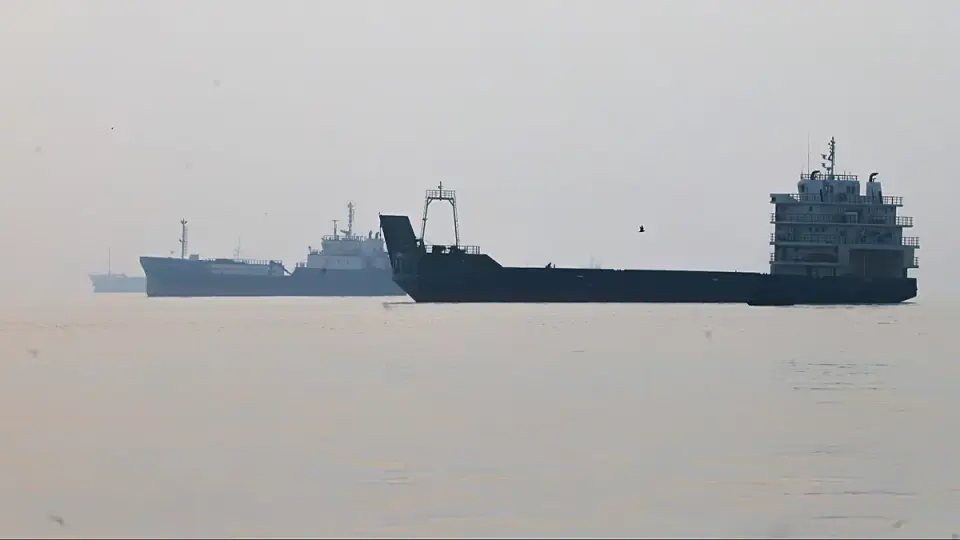
Iran’s Islamic Revolutionary Guard Corps (IRGC) claimed responsibility for setting the tanker MV Sun Shine ablaze in the Strait of Hormuz on Friday, warning it will now target vessels using 'unauthorised routes' anywhere in the region, not just the strait. This escalation coincides with a surge in attacks, with 11 tankers struck in the week ending October 4, the highest number since the war began in February. While the US Central Command (CENTCOM) claims to have cleared main shipping lanes and removed mines, maritime agencies report multiple new strikes, including an LPG carrier hit near the UAE and a tanker off Qatar. The conflict has resulted in at least 24 sailor deaths since February, though crude exports from the broader Middle East have recently rebounded to pre-war levels despite the heightened risk.
Key points
- The IRGC Navy targeted the engine room of the MV Sun Shine, a tanker owned by Natwit, after it allegedly used an unauthorised route through the strait's southern section.
- The IRGC stated it will pursue and 'punish' any vessel violating its transit rules across the wider region, including companies it accuses of cooperating with the US.
- At least 11 tankers were attacked in the week ending October 4, the highest weekly figure since the war began in late February, with five more struck in the current week.
- CENTCOM declared the strait's main lanes open after removing naval mines, claiming thousands of ships passed safely, while Iran’s Friday prayer leader insisted the strait remains closed until seven specific conditions are met.
- Crude oil exports from the Middle East rebounded to pre-war levels in September, aided by US military escorts, though flows through Hormuz specifically dropped to 8.5 million barrels per day, about 40% below normal.
Background
This escalation follows a series of direct confrontations in September, where US forces struck multiple Iranian oil carriers near Kharg Island and Jask in retaliation for IRGC missile attacks on US naval vessels. Earlier in the month, the IRGC also claimed a strike on a US unmanned surface vessel near the strait. These events occurred against the backdrop of a US naval blockade of Iranian ports, which has prevented Iran from loading crude for export since late August, while the Strait of Hormuz remains effectively closed to hostile military forces.
How outlets are covering it
Euronews highlights the IRGC’s explicit threat to expand operations beyond the Strait of Hormuz and its accusation that the US is bribing shipping companies to comply with sanctions. CNBC focuses on the statistical surge in attacks, noting that while overall Middle East exports have recovered, flows through Hormuz remain significantly depressed due to the high maritime risk. Both sources agree on the increased frequency of strikes, but Euronews emphasizes the political rhetoric from Tehran’s leadership, while CNBC details the operational impact on specific vessels like the On Peace and Gem No. 2.
Why it matters
The expansion of attacks beyond the Strait of Hormuz threatens to destabilise maritime trade across the entire Persian Gulf and Gulf of Oman. With the strait carrying roughly a fifth of global oil and gas shipments, the IRGC’s new strategy of targeting vessels in wider regional waters could further disrupt energy supplies and increase insurance costs for global shipping, even as some export volumes attempt to recover.
What to watch
The IRGC has stated it will decide its next steps once its 'seven conditions' are met, while Tehran’s Friday prayer leader indicated a shift from a defensive to an offensive military strategy. CENTCOM continues to monitor and clear shipping lanes, but the frequency of attacks is likely to remain high as Iran seeks to maintain pressure on transiting vessels and challenge US maritime dominance in the region.
- Iran's IRGC strikes tanker and threatens to target ships beyond Hormuz Euronews.com
- Tanker attacks in Strait of Hormuz surge to wartime high as Iran tries to choke off oil exports CNBC
- Tanker hit as Iran expands strikes; Iran-backed Houthis hit Saudi airport NewsNation
- Vessel struck by unknown projectile off UAE coast amid surge in attacks, UKMTO says Reuters
- Tanker Attacks Push Deeper Into Gulf, Rattle Oil Markets WSJ
Want the full story? Read the original reporting
Read on Euronews.com