
Israel Detonates 700 Tons of Explosives Near Lebanon’s Beaufort Castle
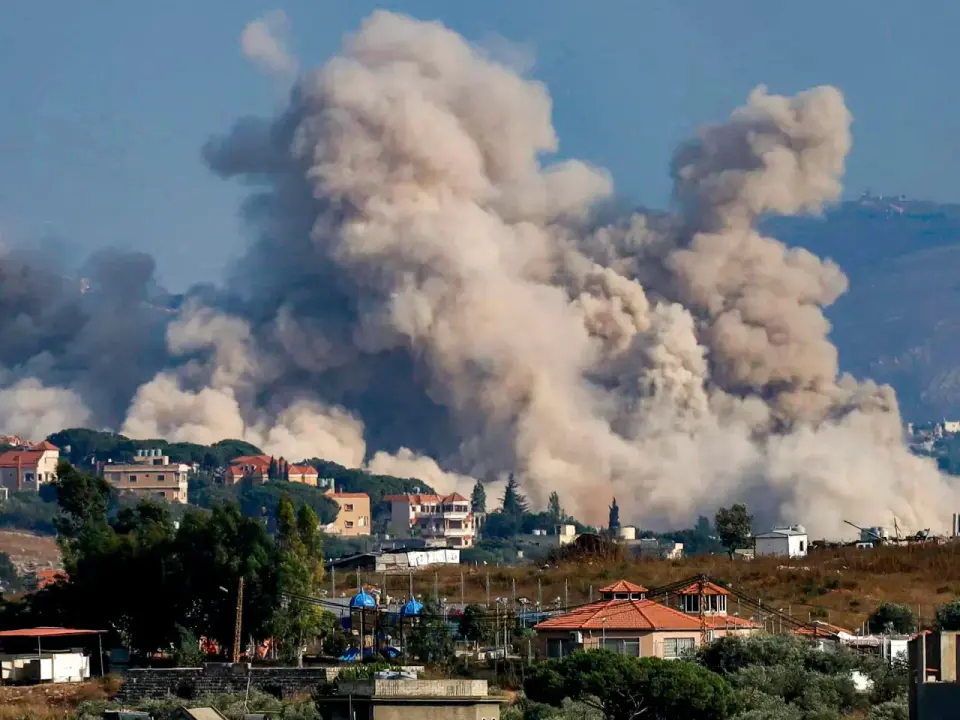
Israeli forces conducted massive explosions near the UNESCO-listed Beaufort Castle in southern Lebanon, claiming to destroy a Hezbollah tunnel network. The operation used approximately 700 tons of explosives and caused structural damage to nearby homes, occurring despite a recent US-brokered ceasefire agreement. Lebanese officials condemned the action, while Israeli leaders framed it as necessary to dismantle infrastructure threatening northern Israel.
Key points
- Israeli Prime Minister Benjamin Netanyahu and Defence Minister Israel Katz stated that the army destroyed a tunnel system in the Beaufort area, claiming it was part of a Hezbollah plan to infiltrate Galilee communities.
- The operation involved the use of approximately 700 tons of explosives, with blasts reported around midnight that shattered windows in the nearby town of Qlayaa.
- The Beaufort Castle, a Crusader-era fortress, was added to UNESCO’s List of World Heritage in Danger just one week prior to the explosions.
- Lebanon’s National News Agency reported additional demolitions of caves and houses in al-Mansouri and Majdal Zoun, as well as large explosions in Yohmor al-Shaqif, Arnoun, and Kfar Tebnit.
- These actions contradict the US-sponsored framework agreement signed in Washington on June 26, which aimed to stabilize the region, though Israel maintains its forces are in a 'pilot zone' for security purposes.
Background
This incident follows a series of escalations since March 2, 2026, when Israeli attacks on Lebanon began, resulting in 4,333 deaths and 12,236 injuries according to Lebanon’s Health Ministry. In late June, Israel destroyed a separate Hezbollah tunnel complex near the border, claiming it contained weapons and rocket silos. The current conflict occurs amidst ongoing diplomatic efforts, including a visit by Lebanese President Joseph Aoun to Turkish President Recep Tayyip Erdogan, where both leaders discussed the need for Israeli withdrawal and regional stability. Additionally, UNESCO recently expanded its World Heritage list to include Lebanese castles, a move that drew objections from Israel, highlighting the tension between military operations and cultural preservation.
Why it matters
The detonations near a newly designated UNESCO site highlight the fragility of the US-brokered ceasefire and the potential for cultural heritage destruction in ongoing military operations. The continued Israeli presence and strikes in southern Lebanon, despite diplomatic agreements, exacerbate humanitarian crises for displaced populations and risk further international condemnation. The scale of the explosives used suggests a strategic shift toward dismantling infrastructure rather than limited strikes, potentially prolonging the conflict and complicating future peace negotiations.
What to watch
Lebanese President Joseph Aoun has reiterated demands for a complete Israeli withdrawal from all Lebanese territory and the return of displaced residents. Turkish President Recep Tayyip Erdogan has pledged continued support for the Lebanese Armed Forces and assistance in reconstruction. Israeli forces have advanced more than 10 kilometers into Lebanese territory, and the situation remains volatile as both sides interpret the terms of the ceasefire differently, with Lebanese leaders describing the current arrangement as a 'trap' that does not ensure full withdrawal.
- Israeli forces blow up structures near Lebanon’s Beaufort Castle Al Jazeera
- IDF Destroys Hezbollah Tunnel Network Beneath Beaufort Ridge In South Lebanon i24NEWS
- IDF demolishes Hezbollah tunnels below southern Lebanon’s Beaufort Ridge The Times of Israel
- Israel prepares response over Hezbollah drone strike but seeks to avoid collapse of ceasefire ynetnews.com
- Hezbollah Attacks Strategic Area in Southern Lebanon, Israel Says The New York Times
Want the full story? Read the original reporting
Read on Al Jazeera