
Kallas Warns Putin’s G20 Return Normalizes War Crimes Amid Lavrov Confrontation
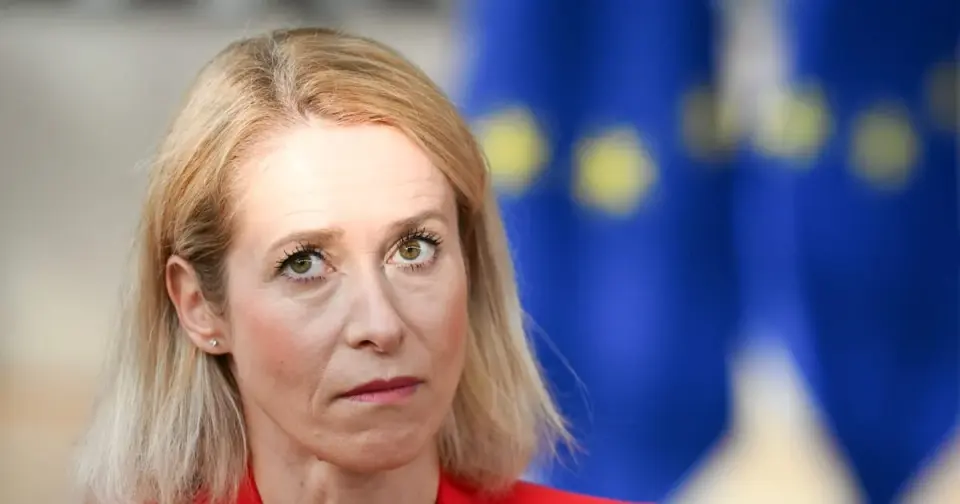
EU foreign policy chief Kaja Kallas warned that Vladimir Putin’s potential attendance at the December G20 summit in Miami risks normalizing Russian war crimes. This stance follows a contentious G20 ministerial meeting in Atlanta, where European officials refused to pose for a group photo with Russian Foreign Minister Sergei Lavrov due to his sanctioned status. While the US approved 500 Patriot interceptors for Ukraine, Kallas criticized Lavrov for spreading false narratives and called for tougher sanctions, rejecting Pentagon advice to soften rhetoric.
Key points
- Kallas stated that normalizing Russia’s return to international forums equates to normalizing daily war crimes in Ukraine.
- European ministers refused to stand for a traditional group photo with Lavrov at the Atlanta G20 meeting, leading US organizers to cancel the event.
- The US State Department approved a $2.1 billion package of 500 Patriot PAC-3 interceptors for Ukraine, though Zelenskyy warned delivery could take years.
- Kallas rebuffed reported Pentagon calls for NATO allies to tone down criticism of the Kremlin, arguing that silence does not eliminate the threat.
- Lavrov criticized European boycotts as arrogant while praising US engagement, but Kallas noted he showed no willingness to negotiate peace.
Background
This dispute follows earlier US invitations for Putin to the December G20 summit in Miami, which sparked European backlash and a bipartisan Senate push to revoke the invitation. Previous tensions included EU divisions over sanctions and warnings of Russian hybrid escalation, setting the stage for the current confrontation at the Atlanta ministerial meeting.
How outlets are covering it
Politico highlights Kallas’s focus on the normalization of war crimes and her rejection of Pentagon advice to soften rhetoric. Euronews and Ukrinform emphasize the direct confrontation between Lavrov and European officials, noting that Lavrov called the European boycott arrogant while praising US engagement. European Pravda focuses on the lack of Russian willingness to negotiate peace, citing Kallas’s assertion that actions, not words, must demonstrate intent. All sources agree on the cancellation of the group photo and the US approval of Patriot interceptors, but differ in emphasis: Politico frames it as a diplomatic strategy issue, while Euronews and Ukrinform focus on the immediate diplomatic friction and false narratives.
Why it matters
The incident underscores deep transatlantic divisions over how to engage with Russia during the Ukraine war. The refusal to pose with Lavrov signals a hardening of European stance, while the US approval of interceptors, despite delayed delivery, highlights ongoing support for Ukraine. Kallas’s rejection of softer rhetoric suggests a shift toward sustained pressure rather than diplomatic appeasement, potentially influencing future G20 dynamics and sanctions enforcement.
What to watch
Attention will turn to whether Putin accepts the invitation to the December G20 summit in Miami. The US is expected to release a summary report from the Atlanta meeting, and Zelenskyy may continue to press for faster delivery of Patriot interceptors. European officials will likely maintain pressure on Moscow for a Black Sea ceasefire, while monitoring any further diplomatic engagements between Lavrov and US Secretary of State Marco Rubio.
- Putin’s potential G20 comeback risks normalizing Russian war crimes, says Kallas POLITICO.eu
- 'A lot of lies': Kaja Kallas criticises Russian FM Lavrov following G20 meetings Euronews.com
- EU’s Kallas Says Hosting Putin at G20 May Normalize War Crimes Bloomberg.com
- Russia's Lavrov showed no willingness to make peace at G20 meeting, EU's chief diplomat says Українська правда
- Kallas accuses Lavrov of lying at G20 foreign ministers’ meeting Ukrinform
Want the full story? Read the original reporting
Read on POLITICO.eu