
Pyongyang rejects US goodwill gesture as Seoul scrambles for new alliances
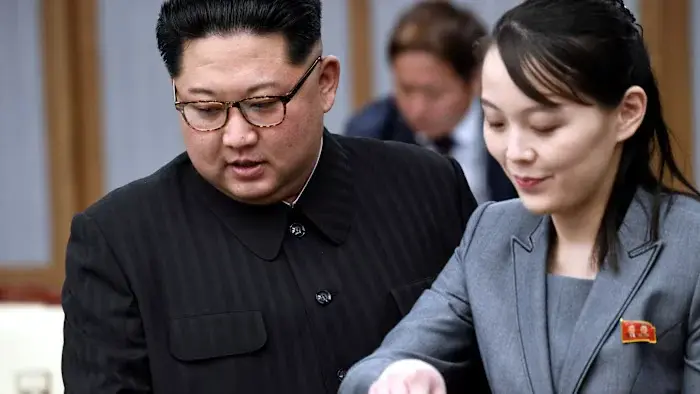
North Korea has dismissed President Trump’s decision to cut joint military drills with South Korea as a 'goodwill measure,' with Kim Yo Jong stating the reduction does not change the exercises' 'provocative' nature. While Trump claims ongoing contact with Kim Jong Un, Pyongyang denies any recent communication. The move has triggered a crisis of confidence among US allies in Asia, prompting South Korea and other nations to accelerate independent defense strategies and diversify partnerships to reduce reliance on Washington.
Key points
- Kim Yo Jong stated the early end of Ulchi Freedom Shield drills is 'not even worth commenting on' and does not constitute a concession.
- Trump claims Kim Jong Un has responded to overtures, but Kim Yo Jong says she is 'completely unaware' of any recent contact.
- Asian allies are accelerating self-reliance in defense, fearing US commitments are transactional and unstable.
- South Korea is exploring new partnerships with Japan, the Gulf, and African nations to offset US unpredictability.
- North Korea’s military posture has strengthened, including a strategic alliance with Russia and expanded nuclear capabilities.
Background
This follows a pattern of Trump’s personal diplomacy with North Korea, which previously involved three summits in his first term. Recent archive coverage notes that while Trump claims ongoing contact, Pyongyang has consistently denied active negotiations, maintaining a stance that US policy remains hostile despite personal rapport between leaders.
How outlets are covering it
The Financial Times and Washington Post highlight the diplomatic disconnect, noting that while Trump views the drill reduction as a peace gesture, Pyongyang sees it as insufficient. The Washington Post editorial board argues the move reflects strategic confusion, particularly as the USS George Washington carrier was redeployed to the Middle East. CNBC and Politico emphasize the security implications, with experts warning that scaling back drills while North Korean troops gain combat experience in Ukraine creates a 'dangerous operational disconnect.' Politico notes that Asian allies are now viewing US commitments as 'contingent and transactional,' leading to a 'refocus on self-reliance' and new defense partnerships to insulate against future policy shifts.
Why it matters
The episode signals a potential shift in the US security architecture in Asia, where allies may no longer view Washington as a reliable guarantor of regional stability. This could embolden adversaries like North Korea and China, while forcing South Korea and Japan to develop independent defense capabilities, potentially including nuclear options, to ensure their own security.
What to watch
South Korea is pursuing joint discussions with the US to restore military ties, while simultaneously expanding partnerships with other global powers. Analysts expect continued pressure on Washington to clarify its long-term commitment to the region, as Asian nations invest in hardened military infrastructure and alternative supply chains to mitigate the risk of US disengagement.
- North Korea dismisses Donald Trump’s overture Financial Times
- Trump scaling down U.S.-South Korea drills could risk more than just joint military readiness CNBC
- ‘No Interest’: North Korea Dismisses Reduced U.S. Drills With South Korea The New York Times
- Opinion | Trump inverts his own foreign policy mantra The Washington Post
- Trump’s snub of South Korea sends region scrambling Politico
Want the full story? Read the original reporting
Read on Financial Times