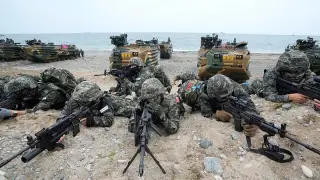
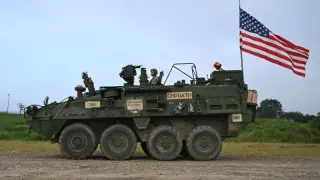
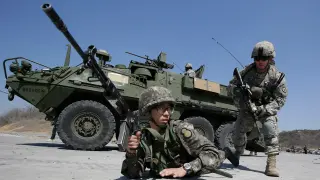
South Korea says the large Ssangyong amphibious drill with the United States was canceled due to force-availability constraints caused by the Iran war, following President Trump's order to scale down Ulchi Freedom Shield; Seoul and Washington are still in talks to resume the exercise, with the Pentagon not commenting.
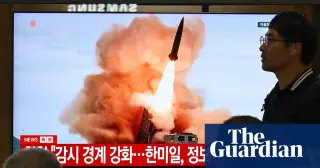
North Korea launched about 10 short-range ballistic missiles toward the eastern sea from the Pyongyang region as the United States and South Korea reduced their Ulchi Freedom Shield exercises. Seoul, Washington, and Tokyo are closely monitoring the launches and coordinating information. The missile tests breach UN resolutions, while Kim Yo-jong criticized the drills but suggested Pyongyang may wait for bigger concessions before resuming talks with the U.S., signaling a cautious approach to diplomacy.
President Trump ordered a substantial reduction in the US–South Korea joint drills, shortening Ulchi Freedom Shield 2025 and raising concerns that the move weakens combat readiness and undercuts the credibility of US security commitments. Some experts warn it could erode deterrence as adversaries adapt to new tactics, while others argue fewer drills may ease tensions. Pyongyang dismissed the gesture as hostile, and Ukraine-linked reports of North Korea’s troop activity add to strategic uncertainty, though US officials say essential training goals will be preserved.
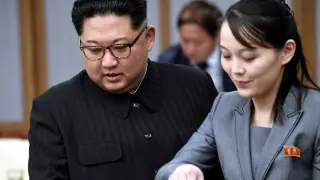
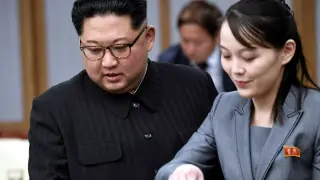
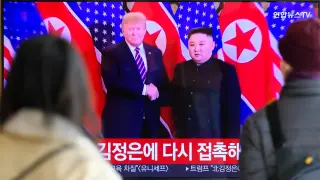
North Korea dismissed Donald Trump’s overture to scale back US-South Korea drills, with Kim Yo Jong saying the move changes nothing about the drills' provocative nature and casting doubt on any recent communications with Washington, despite claiming Kim Jong Un’s feelings toward Trump are 'excellent.' The drills were shortened after Trump described them as hostile; experts say the sustained personal channel could be used later, but Pyongyang continues to demand changes to US policy while signaling cautious engagement.
North Korea dismissed Trump’s move to scale back joint US-South Korea drills and cast doubt on any recent contact, with Kim Yo Jong saying the reduction is not a concession and that Kim Jong Un’s relationship with Trump remains ‘excellent.’ The Ulchi Freedom Shield exercises are ending early, while Trump pursues personal diplomacy amid Pyongyang’s strengthened military posture and new Moscow ties.
President Trump halved the Ulchi Freedom Shield exercises to appease Kim Jong Un, a move critics say could slow South Korea’s plan to regain wartime operational control of its forces and complicate burden-sharing with the United States, potentially weakening deterrence as Pyongyang’s capabilities grow.
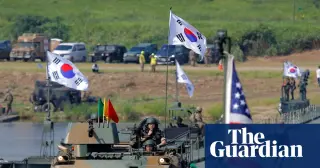
President Trump ordered reductions to the Ulchi Freedom Shield drills with South Korea, shortening the schedule to Aug. 21 from Aug. 27 and converting some live events to simulations, while officials said essential readiness will be preserved and training objectives will not be degraded; Seoul confirmed adjustments and is coordinating specifics.
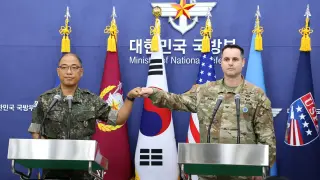
South Korea and the United States will cut short the Ulchi Freedom Shield drills by six days at Washington's request, with some live training components reduced. The Pentagon confirmed substantial cutbacks as President Trump indicated he wants talks with Kim Jong-un and cited the costly nature of the exercises. Seoul said it was not informed in advance and will continue coordinating with Washington, amid ongoing speculation about a possible summit and future changes to US troop activities in Korea.
Trump directed reductions to the Ulchi Freedom Shield exercises with South Korea, triggering concern over optics and alliance cohesion, but defense officials say the security architecture on the Korean peninsula remains largely intact and the drills will be modified rather than cancelled as Seoul worries about attracting investment and North Korea continues missile tests.
South Korea will cut the annual Ulchi Freedom Shield drills with the United States by about half at Washington's request, shortening the exercise window to Aug 17–21 and scaling back some field training. President Trump reportedly wants to meet North Korean leader Kim Jong Un this fall, signaling renewed personal diplomacy despite alliance strains; analysts say allies may bolster defense autonomy and regional partnerships as the U.S. footprint in Asia shrinks.
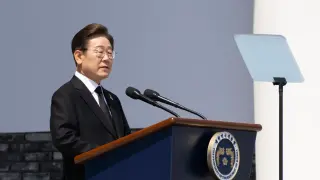
South Korea's president renewed calls to regain wartime operational control of its forces from the United States and to accelerate a nuclear-powered submarine program, arguing that independent defense strengthens the alliance even after Donald Trump ordered substantial cuts to joint Ulchi Freedom Shield drills. The push to transfer Opcon—held by the US since the Korean War—has long been a core sovereignty goal, with Seoul managing peacetime control since 1994. The curtailed drills, originally set to involve about 18,000 South Korean troops with US and UNC personnel, aimed to certify readiness for the handover. Trump praised Kim Jong-un during questioning, while officials say the exercises are not intended to escalate tensions. North Korea’s growing ties with Russia and its battlefield experiences are cited as factors shaping regional training.
President Lee Jae-myung says maintaining peace is paramount but Korea must prepare for a worst-case scenario as Ulchi Freedom Shield, a defensive yearly drill, runs through Aug. 27 with about 18,000 South Korean troops; the exercises come amid U.S.-Korea coordination after Trump urged reducing drills and Pyongyang denounces them as invasion rehearsals, with U.S. Forces Korea numbering about 28,500.
President Trump orders the Pentagon to scale back upcoming U.S.-South Korea joint exercises, citing cost and signaling hostility to Kim Jong Un, ahead of the Ulchi Freedom Shield drills. The move comes as North Korea conducts missile tests, with about 28,500 U.S. troops and 18,000 South Korean troops participating, and Pyongyang opposes the annual drills.
President Trump says the US will substantially reduce joint military exercises with South Korea, citing cost and his very good relationship with Kim Jong Un. The Ulchi Freedom Shield exercise—an 11-day event with about 18,000 South Korean troops—is set to proceed despite North Korea’s missile tests and South Korea’s previous stance on Iran's denuclearization.
North Korea warned of stern steps and a stronger deterrent against the United States and South Korea ahead of their Ulchi Freedom Shield drills, calling the exercises a war rehearsal and signaling possible additional weapons tests after recent ballistic missile launches, as diplomacy remains stalled and Pyongyang seeks to bolster its arsenal and deepen ties with Russia and China.