
Latin America's Shift: China Now Seen as More Positive Influence Than US in Historic Poll
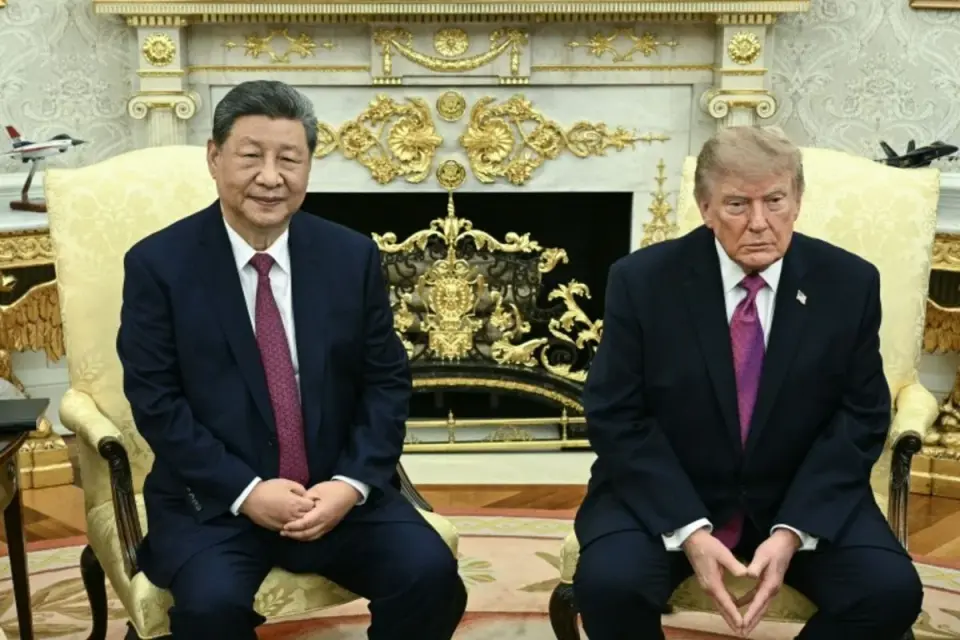
A new survey shows China is now viewed as a more positive global influence than the US in Latin America for the first time, driven by rising favorability toward Beijing and declining support for Washington, particularly amid Trump's confrontational policies.
Key points
- The 2026 Latinobarómetro survey, covering 17 Latin American countries, found that 65% of respondents viewed China's influence positively, compared to 57% for the US.
- Favorable views of China increased in 15 of the 17 surveyed countries, while views of the US declined in 15 of the 17.
- The US remained more popular overall, with 63% holding a favorable opinion of the US versus 58% for China, but this gap has narrowed significantly since 2024.
- The shift is attributed to US President Donald Trump's confrontational approach, including military strikes on drug boats and the capture of Venezuela's leader, which nearly two-thirds of respondents disapproved of.
- Costa Rica and the Dominican Republic were the only countries where the US was viewed more positively than China.
Background
This development follows a series of recent events highlighting shifting dynamics in the region. In September 2026, Secretary of State Marco Rubio's tour of Colombia, Ecuador, and Peru aimed to strengthen US security ties but faced domestic backlash over sovereignty concerns, with critics noting that China remains a major economic partner and trust in the US trails Beijing. Additionally, a July 2026 Pew Research Center survey had already indicated that in 27 of 36 countries, people held more favorable views of China than the US, with the gap narrowing since 2023 before reversing in 2026. These trends reflect a broader realignment in global perceptions, particularly as the US pursues a more assertive 'Donroe Doctrine' in the region.
How outlets are covering it
The Economist and Al Jazeera both report on the Latinobarómetro survey, highlighting the historic shift in favorability. The Economist emphasizes the decline in US favorability, attributing it to Trump's confrontational approach, and notes that nearly two-thirds of respondents disapproved of his handling of international relations. Al Jazeera provides additional context, noting that while China is seen as a more positive influence, the US remains more popular overall, with 63% holding a favorable opinion of the US versus 58% for China. Both sources agree that the shift is significant, but Al Jazeera adds nuance by pointing out that views on the US military capture of Venezuela's leader were mixed, with 35% saying it benefited the country and 28% saying it harmed it. The Pew Research Center's earlier survey corroborates the trend, showing a narrowing gap between favorable views of China and the US since 2023.
Why it matters
This shift in perception has significant implications for US foreign policy and global influence. As the US pursues a more assertive approach in Latin America, it risks alienating the region, which could strengthen China's economic and political ties. The survey highlights the need for the US to reconsider its strategy to maintain its influence in a region that is increasingly open to alternative partnerships. Additionally, the decline in US favorability could impact trade, security, and diplomatic relations, as Latin American countries seek to diversify their alliances and reduce dependence on Washington.
What to watch
The US may need to adjust its approach in Latin America to address the declining favorability, potentially by focusing on economic cooperation and addressing concerns over sovereignty. China, on the other hand, may leverage its growing influence to strengthen its economic and political ties in the region. The next steps will likely involve diplomatic efforts from both the US and China to secure their interests, with the US potentially seeking to rebuild trust through more collaborative policies and China expanding its economic presence.
- China a better influence in Latin America than US: poll Yahoo
- For the first time Latin Americans prefer China to America The Economist
- Latin Americans increasingly favor China in past two years, The Economist survey finds news.cgtn.com
- Analysis: Winning Trade Without Winning Hearts Roper Center for Public Opinion Research
- Latin America sees China as more positive global influence than US: Poll aljazeera.com
Want the full story? Read the original reporting
Read on Yahoo