
Lavrov Warns NATO Arctic Sentry Mission Risks Catastrophic Confrontation
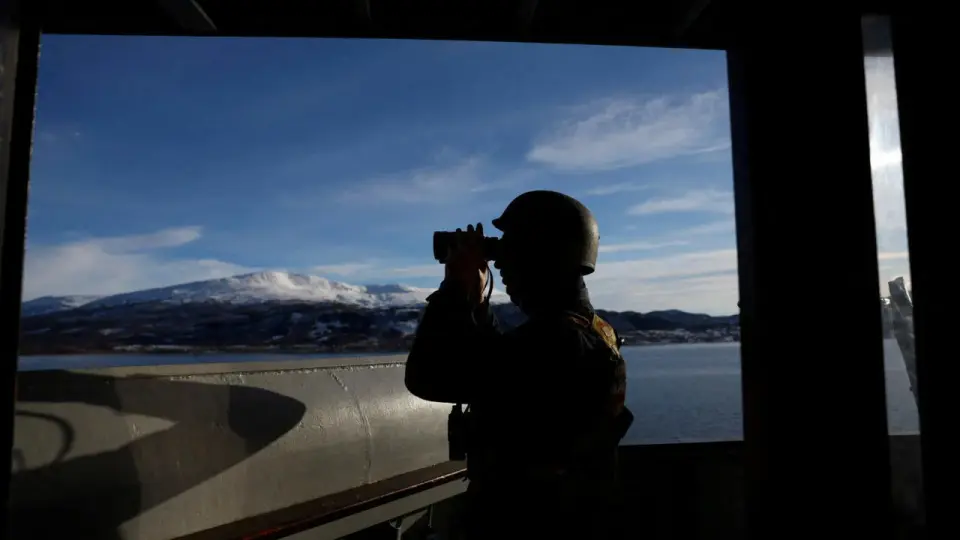
Russian Foreign Minister Sergei Lavrov declared that NATO's recent military expansion in the Arctic constitutes a direct security threat to Moscow. This warning follows the launch of NATO's 'Arctic Sentry' mission in February 2026 and comes amid heightened tensions over US President Donald Trump's interest in Greenland. Lavrov warned that increased military activity in the Far North raises the risk of accidental armed confrontation with catastrophic consequences.
Key points
- Lavrov stated in an article published by the Russian foreign ministry that NATO exercises in the Arctic are 'aggressive' and pose a direct threat to Russian security.
- The warning follows the February 2026 launch of NATO's 'Arctic Sentry' mission, designed to bolster the alliance's presence in the far north.
- Russia views the Arctic as a sphere of interest, maintaining the largest military presence and nuclear-armed submarine fleet in the region, alongside developing shipping routes to Asia.
- Norway recently expanded a new military brigade headquartered in the Arctic, marking the latest NATO move to strengthen defense footprints following the war in Ukraine.
- Lavrov claimed NATO aims to turn the Arctic into a new front of confrontation to contain Russia and its partners, including China, which has increased activity in the mineral-rich area.
Background
This escalation follows a period of heightened Russian rhetoric and hybrid tactics against NATO neighbors, as noted in recent archive coverage. Western officials have observed that while Moscow intensifies hostile language, it seeks to avoid direct large-scale conflict. Concurrently, European nations like Poland and Estonia have been strengthening deterrence measures and defense spending in response to perceived Russian aggression and potential gray-zone provocations.
How outlets are covering it
France 24 and Ukrainska Pravda reported the core of Lavrov's statement, focusing on his characterization of NATO's 'Arctic Sentry' mission as a direct security threat and a risk of armed confrontation. France 24 highlighted the context of US President Trump's push to acquire Greenland as a driver for NATO's increased focus. Ukrainska Pravda emphasized Lavrov's claim that NATO is attempting to turn the Arctic into a new front to contain Russia and its 'like-minded partners.' In contrast, Geopolitical Monitor provided a broader analytical perspective through Professor Aurel Braun, who argued that while Russia poses a multi-dimensional threat in the Arctic, Western democracies must avoid 'deference' based on exaggerated fears of Russian power. Braun suggested that NATO should treat the threat as an exigency but recognize that Russia's aggression is driven by internal crises rather than a cohesive master plan, warning against confusing alliance stress with a rupture.
Why it matters
Lavrov's warning signals a potential shift in Russian rhetoric regarding the Arctic, moving from general geopolitical concerns to specific accusations of aggressive NATO intent. This could complicate diplomatic efforts and increase the risk of miscalculation in a region where both sides maintain significant military infrastructure. The mention of China's growing activity in the Arctic also indicates a broader strategic competition involving multiple powers, potentially reshaping global security dynamics in the high north.
What to watch
Analysts will watch for further escalatory rhetoric or military maneuvers by both NATO and Russia in the Arctic. The outcome of US President Trump's Greenland ambitions and the implementation of NATO's 'Arctic Sentry' mission will be critical in determining whether tensions de-escalate or lead to further confrontations. Additionally, the response from China to the heightened activity in the mineral-rich Arctic will be a key factor in the evolving geopolitical landscape.
- NATO's Arctic activity poses 'direct threat' to Russia, Lavrov warns France 24
- NATO's Arctic moves pose 'direct threat' to Russia, foreign minister Lavrov says Reuters
- Trump hits out at NBC journalist Kristen Welker, calling for her to face 'rebuke or punishment' Inbox.eu
- Russian foreign minister complains of "threats" from NATO countries' activities in the Arctic Українська правда
- The Russian Arctic Threat in the Era of Geoeconomics Geopolitical Monitor
Want the full story? Read the original reporting
Read on France 24