
Germany Breaks Silence on Russia, Expands Intelligence Powers and Military Aid After Leipzig Drone Plot
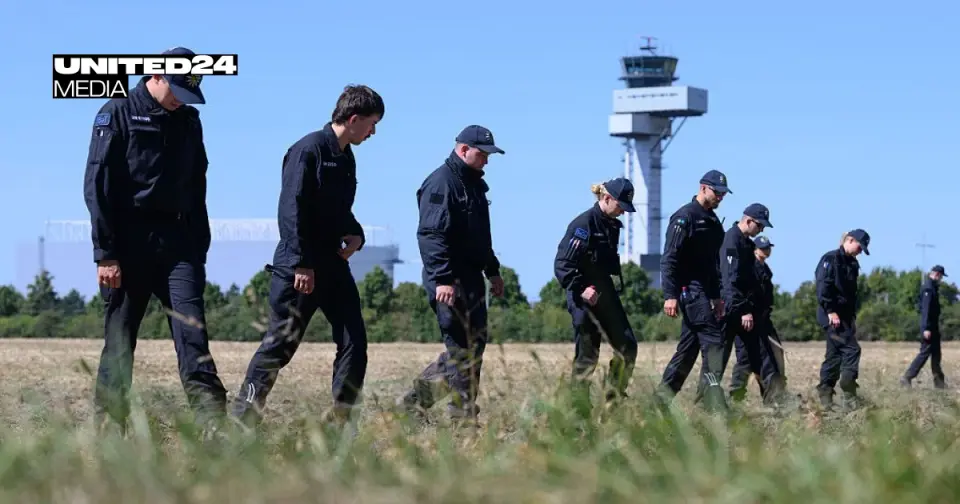
Germany officially blamed Russia for an August drone attack at Leipzig/Halle Airport, marking a shift from cautious neutrality to active confrontation. Berlin is closing Russian diplomatic facilities, expanding intelligence agency powers, and increasing military aid to Ukraine.
Key points
- German Chancellor Friedrich Merz publicly attributed the Leipzig drone plot to Russia on September 1, abandoning previous caution regarding hybrid threats.
- Investigators found three drones with military explosives (Semtex and Hexogen) near a Ukrainian Antonov cargo plane, indicating a coordinated sabotage operation.
- Germany announced a new intelligence law allowing the BND to conduct 'active measures,' including cyber-infiltration and physical sabotage of enemy systems.
- Berlin is closing the Russian consulate in Bonn and the Russian House in Berlin while tightening border controls for Russian citizens.
- Germany plans to deliver thousands of attack drones and IRIS-T air defense missiles to Ukraine in September, potentially sharing targeting coordinates.
Background
Prior to September 1, Germany had avoided direct attribution for the Leipzig incident, despite US intelligence linking it to Russia in August. Earlier reports indicated a third drone with explosives was found near the airport, suggesting a larger planned attack. The current response follows a period of diplomatic hesitation and internal debate within the German government.
How outlets are covering it
Der Spiegel and United24 Media emphasize the operational details, noting that a foreign intelligence tip in mid-August accelerated the decision to name Russia. They highlight the shift to 'active measures' for the BND. The Christian Science Monitor frames the event as a breaking point in Germany's long-standing reluctance to confront Russian hybrid warfare, noting that experts view the attack as a way to stoke fear and impose costs on Ukraine supporters. The Council on Foreign Relations contextualizes the response within domestic political instability, noting that Chancellor Merz faces rising support for the far-right AfD in upcoming eastern German elections, which complicates his ability to project stability while responding to external threats.
Why it matters
The move signals a potential end to European restraint against Russian hybrid warfare, introducing a new phase of active countermeasures and increased military support for Ukraine. It also highlights the intersection of external security threats with internal political polarization in Germany.
What to watch
Germany will implement the new intelligence law and deliver military aid to Ukraine. The EU is expected to intensify sanctions and close loopholes. Domestic political tensions may rise as the AfD gains ground in upcoming state elections in Saxony-Anhalt, Berlin, and Mecklenburg-Vorpommern.
- Germany Retaliates Against Russian Sabotage with Targeting Assistance and Cyber Warfare Powers UNITED24 Media
- Russia to close branches of Germany's Goethe-Institut after drone spat, foreign minister says Reuters
- This week, Germany stopped putting up with Russia’s hybrid war The Christian Science Monitor
- Far-Right AfD and Russian Hybrid Campaign Pose Twin Threat for Germany’s Merz Council on Foreign Relations
- The Fallout of Russia’s Failed Drone Attack on Germany foreignpolicy.com
Want the full story? Read the original reporting
Read on UNITED24 Media