
Mali Junta Reclaims Kidal in Symbolic Victory as JNIM Shifts to Attrition War
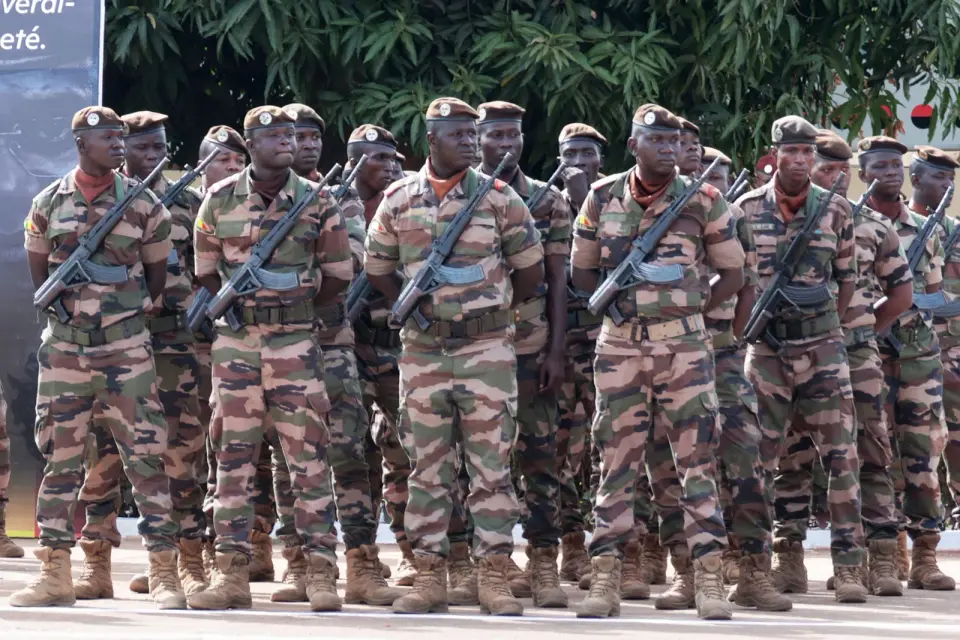
Malian government forces, backed by the Russian Africa Corps, retook the northern town of Kidal on October 6 without a fight, marking a symbolic but strategically limited victory. While the junta seeks to project stability, JNIM has abandoned territorial control in favor of an attrition strategy, intensifying attacks in central Mali and Burkina Faso. Simultaneously, violent clashes between JNIM and Islamic State Sahel Province (ISSP) have escalated, with ISSP claiming significant casualties against JNIM forces near Tessit and N’daki. An undeclared truce between Sahelian juntas and ISSP persists, as governments prioritize neutralizing the more immediate political threat of JNIM.
Key points
- Malian forces and the Africa Corps retook Kidal on October 6 after Tuareg separatists and JNIM allies abandoned the town, citing destroyed infrastructure and inability to withstand drone-supported airpower.
- JNIM explicitly rejects territorial control, focusing instead on an attrition war against the junta, evidenced by the September 10 attack on Dioura barracks which killed at least 150 soldiers and seized significant military materiel.
- Violent competition between JNIM and ISSP has intensified since September, with ISSP claiming the killing of hundreds of JNIM fighters in battles near N’daki and Tessit, though JNIM sources dispute these casualty figures.
- Sahelian juntas maintain an undeclared informal truce with ISSP, viewing JNIM as the primary political and security threat, while ISSP focuses its expansion efforts on JNIM-held territories rather than government-controlled zones.
Background
This development follows the broader regional shift in Sahelian security dynamics, where juntas in Mali, Burkina Faso, and Niger have increasingly relied on Russian mercenaries like the Africa Corps. The reclamation of Kidal contrasts with the earlier withdrawal of coalition forces from Iraq, highlighting the divergent strategies of state-backed forces versus non-state actors in different theaters. While the Iraq withdrawal created a vacuum for ISIS remnants, the Sahel situation involves active, competing jihadist groups (JNIM and ISSP) vying for influence against state actors.
Why it matters
The retaking of Kidal underscores the limited strategic value of territorial control for jihadist groups in the Sahel, as JNIM prioritizes destabilization over governance. The escalating conflict between JNIM and ISSP suggests a shift in the regional security landscape, where intra-jihadist warfare may become as significant as attacks on state forces. This dynamic complicates international efforts to stabilize the region, as the primary threats are now fragmented and focused on mutual destruction rather than unified opposition to governments.
What to watch
JNIM is expected to continue complex, simultaneous attacks across Mali, Burkina Faso, and Niger, targeting military infrastructure and economic assets to erode junta legitimacy. ISSP will likely intensify its competition with JNIM for territory and resources, potentially leading to further large-scale battles. Sahelian governments may continue to prioritize neutralizing JNIM while maintaining a cautious stance toward ISSP, though the rapid pace of jihadist dynamics could force a reassessment of this strategy.
Want the full story? Read the original reporting
Read on The Soufan Center