
Moscow outlines tiered security models including bilateral nonaggression pacts with NATO states
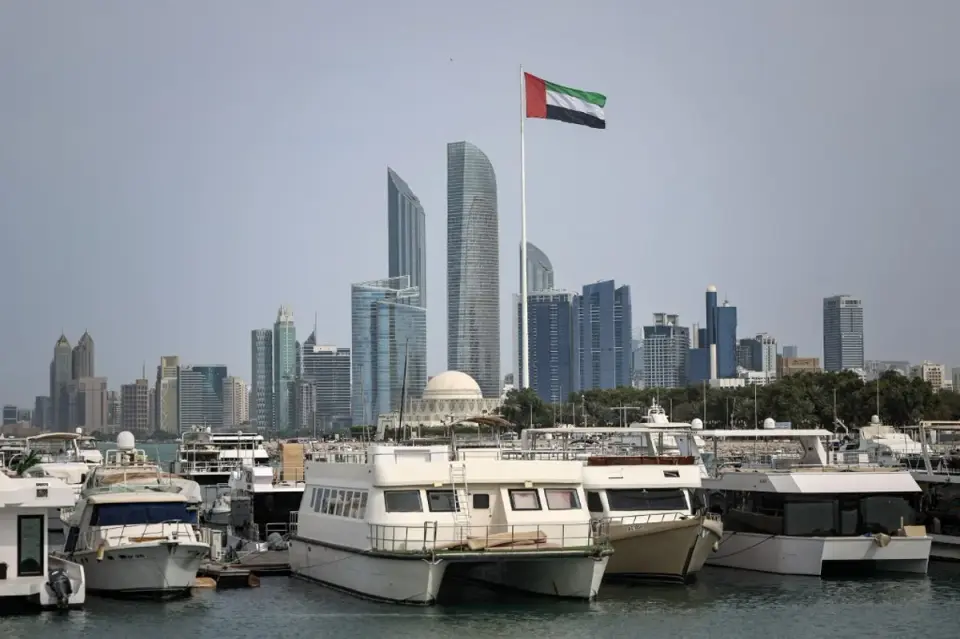
Russian diplomat Alexey Drobinin proposed three models for a new European security framework, including bilateral nonaggression pacts with individual NATO members. These proposals were discussed alongside two-day trilateral peace talks in Abu Dhabi, where US and Russian negotiators identified European security as the central issue. While US officials expressed openness to such discussions, European leaders remain skeptical, insisting that a ceasefire and progress on Ukraine must precede broader architectural changes.
Key points
- Alexey Drobinin, a senior Russian Foreign Ministry official, presented three potential security models at a Moscow conference on November 11.
- The first model involves collective defense or mutual assistance agreements, similar to Russia’s current pacts with Belarus and North Korea.
- The second model consists of political commitments not to aid adversaries during aggression, citing the Russia-Iran pact as an example.
- The third model is bilateral mutual nonaggression pacts, which Drobinin suggested could be signed with individual NATO member states in exchange for additional security guarantees from Moscow.
- Vladimir Medinsky, Russia’s chief negotiator, stated that a new European security framework was the central theme of the Abu Dhabi talks but declined to disclose specific details.
- US Secretary of State Marco Rubio described the November 10 trilateral talks as 'very productive' but acknowledged significant work remains.
Background
These proposals emerge amid renewed diplomatic efforts following a hiatus since February. Recent developments include a UK-led naval pact among ten NATO nations to counter Russian submarine activity in the Arctic and Baltic, signaling heightened security concerns. Additionally, US envoys Steve Witkoff and Jared Kushner have proposed NATO-style security guarantees for Ukraine, including Article 4 and 5 protections, while Jared Kushner outlined a five-point European security framework emphasizing sovereignty. The current negotiations in Abu Dhabi represent the first trilateral meeting between the US, Russia, and Ukraine since February, focusing on post-war security structures.
How outlets are covering it
Kyiv Post and Ukrainska Pravda both report on Drobinin’s three-tiered proposal, highlighting the specific mention of individual NATO members receiving security guarantees. UNITED24 Media emphasizes the contrast between US openness to these discussions and European resistance, noting that European leaders prioritize a ceasefire before addressing broader security architecture. All sources agree that Vladimir Medinsky identified European security as the central topic in Abu Dhabi but withheld details. While Kyiv Post notes the historical context of Putin’s 2021 demands regarding NATO expansion, Ukrainska Pravda and UNITED24 Media focus more on the immediate diplomatic reactions and the 'productive' yet incomplete nature of the talks.
Why it matters
The proposal for bilateral nonaggression pacts with individual NATO members represents a significant shift in Russian diplomatic strategy, potentially seeking to fragment Western unity by offering tailored security assurances. This approach contrasts with the US push for collective NATO-style guarantees for Ukraine. If successful, such pacts could alter the security landscape in Europe, potentially reducing tensions with specific NATO states while complicating the broader alliance structure. The divergence between US willingness to engage and European caution highlights the complex dynamics of post-war security negotiations and the risk of fragmented agreements undermining collective defense mechanisms.
What to watch
US envoys Steve Witkoff and Jared Kushner are scheduled to meet with Vladimir Putin in Moscow following the Abu Dhabi talks. Further negotiations are expected to continue, with the focus shifting from general security frameworks to specific territorial and ceasefire issues. European leaders will likely maintain their stance that a ceasefire must precede broader security discussions, while the US may continue to push for collective guarantees. The outcome of these talks will determine whether the proposed nonaggression pacts move from theoretical models to concrete diplomatic agreements.
- Russia Floats Nonaggression Pacts With NATO Members as Ukraine Talks Turn to European Security Kyiv Post
- Russia proposes new security system involving non-aggression pacts with NATO countries – Reuters Українська правда
- Separate Non-Aggression Deals With NATO Countries Proposed by Moscow, Russian Official Says UNITED24 Media
- Russia Keeps Violating a Major Cold War Deal. Now Putin Wants to Revive It Newsweek
- Kremlin Revives Old Ultimatum: Ukraine Can Join EU Only if It Stays Out of Military Alliances Kyiv Post
Want the full story? Read the original reporting
Read on Kyiv Post