
Myanmar President Min Aung Hlaing Signals Potential Shift in ASEAN Relations Amid Ongoing Civil War
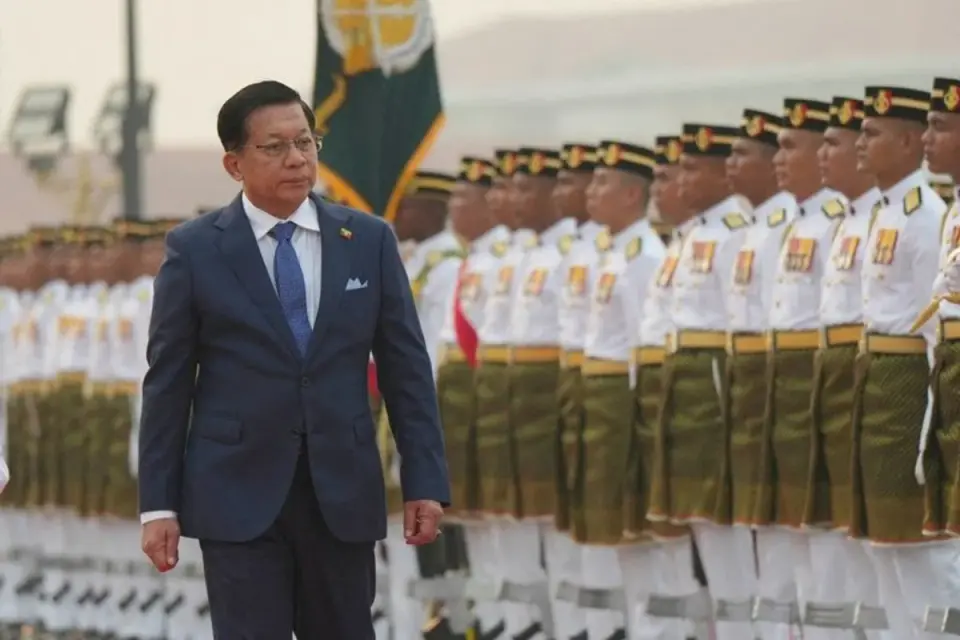
Myanmar President Min Aung Hlaing stated on November 18 that his administration is reconsidering the country’s relationship with ASEAN but will continue bilateral discussions. He criticized the bloc for applying unique pressure on Myanmar, contrasting it with the treatment of other members. Hlaing announced plans for a peace conference in February, aiming to end fighting within his five-year term, despite ongoing military operations and a humanitarian crisis that has displaced millions.
Key points
- Min Aung Hlaing expressed dissatisfaction with ASEAN’s recent stance, claiming the bloc is imposing unprecedented pressure and indignity solely on Myanmar.
- The president confirmed that Myanmar will continue discussions with ASEAN members, weighing the bloc’s intentions against its own position to determine the path forward.
- Hlaing announced a planned peace conference for February, marking the first such initiative since he assumed the presidency in April, with the goal of ending the civil war within his term.
- ASEAN leaders recently agreed to a 'calibrated engagement' strategy, potentially restoring Myanmar’s full political representation only if it makes sustained progress on the five-point consensus peace plan.
- The military-backed government has intensified airstrikes and bombing campaigns, contributing to a conflict that has resulted in over 100,000 deaths and the displacement of millions since the 2021 coup.
Background
Myanmar’s relationship with ASEAN has been strained since the 2021 coup, which triggered a nationwide civil war and led to the suspension of Myanmar’s full political representation in the bloc. The five-point consensus, adopted shortly after the coup, calls for an end to violence, constructive dialogue, and humanitarian assistance. Recent ASEAN summits in Manila have prioritized the Myanmar crisis alongside other regional issues, but analysts have doubted significant breakthroughs. In October 2026, Hlaing visited Malaysia, engaging in bilateral talks that included controversial discussions on the repatriation of Myanmar nationals, raising concerns about the safety of returnees amid ongoing conflict.
Why it matters
The potential shift in Myanmar’s stance toward ASEAN could influence regional stability and the humanitarian situation in the country. If the peace conference in February yields tangible results, it may facilitate the restoration of Myanmar’s full political standing in ASEAN. Conversely, continued military aggression and lack of progress on the five-point consensus could deepen the humanitarian crisis and further isolate Myanmar diplomatically. The outcome of these diplomatic maneuvers is critical for the millions of displaced people and the broader security dynamics in Southeast Asia.
What to watch
Myanmar’s foreign ministry and ASEAN member states, particularly the Philippines as the current chair, will likely engage in further diplomatic exchanges to clarify the terms of 'calibrated engagement.' The February peace conference will be a key indicator of whether the military-backed government is willing to implement the five-point consensus. Observers will monitor whether the conference leads to a cessation of violence or if the military continues its bombing campaigns, which could impact ASEAN’s decision to restore Myanmar’s full political representation.
Want the full story? Read the original reporting
Read on Yahoo