
NATO Commander to Detail 'Theory of Victory' Amid Escalating Russian Hybrid Threats
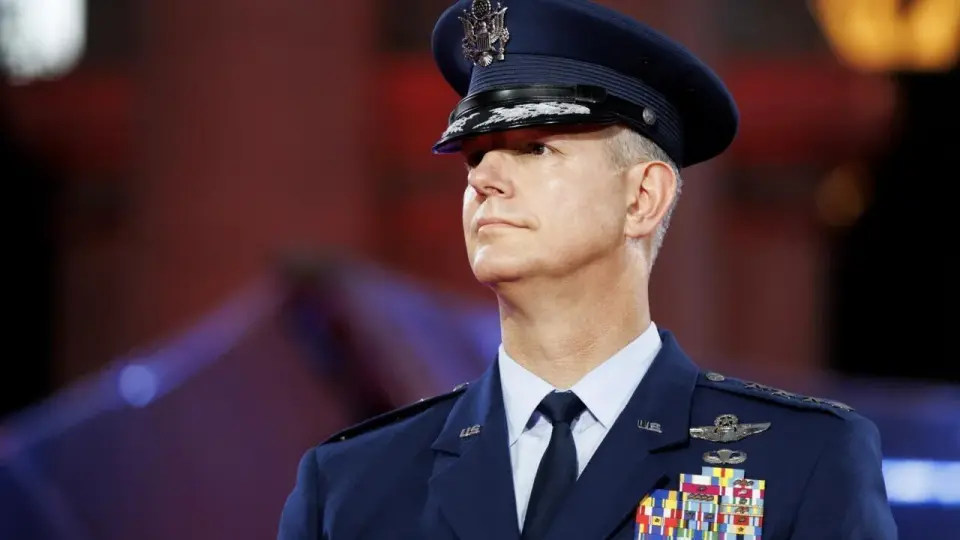
US General Alexus Grynkewich is set to outline NATO's 'theory of victory' at a Warsaw security conference, emphasizing the alliance's capacity to counter Russian aggression. This move addresses growing concerns over Moscow's 'hybrid' campaign, which includes sabotage, cyberattacks, and airspace violations across Europe. While NATO maintains a defensive posture, officials warn that the Kremlin is escalating reckless actions to undermine support for Ukraine. The briefing highlights a strategic shift from passive deterrence to active, predictable consequences for sub-threshold provocations, particularly as European nations brace for potential reductions in US military presence.
Key points
- US General Alexus Grynkewich, NATO’s Supreme Allied Commander Europe, will present a 'theory of victory' at a Warsaw conference, focusing on maintaining deterrence and defence plans.
- Western officials describe a rising 'hybrid' campaign by Russia, characterized by sabotage, interference, and potential assassinations of European defence executives.
- Recent incidents include an explosive-laden drone at a German airport and a missile crash in Poland, prompting fears of a new, potentially deadly phase in the conflict.
- Poland’s foreign minister, Radosław Sikorski, has called for stricter measures against Russian diplomats and tourists, citing the risk of operatives using false identities.
- Analysts argue NATO must shift from 'deterrence by denial' to 'deterrence by punishment' to impose predictable costs on Russia for sub-threshold aggression.
Background
This development follows a series of escalating tensions in late 2026. In September, President Trump deflected questions regarding Russian espionage, while Europe began constructing a new security architecture to counter sub-threshold attacks. In October, German Chancellor Friedrich Merz warned of severe hybrid threats, contrasting his stance with waning domestic support for Ukraine. Earlier in the month, Kremlin aide Nikolai Patrushev issued extreme threats against Poland, highlighting the volatile rhetoric surrounding the conflict.
How outlets are covering it
France 24 emphasizes the strategic messaging aspect, noting that Grynkewich’s speech is intended to reassure eastern flank members and signal strength to Moscow without revealing specific defence details. The Financial Times highlights the diplomatic and legal challenges, quoting Poland’s Sikorski on the difficulty of defining an 'attack' that triggers a collective response, and advocating for concrete punitive measures like closing consulates. The Guardian, through Timothy Garton Ash, argues that while Europe must defend itself, the primary response should be redoubled support for Ukraine, noting Germany’s significant financial and military contributions. Tomorrow’s Affairs, via Agnia Grigas, critiques NATO’s current reactive posture, arguing that the alliance lacks a doctrine for 'deterrence by punishment' and that ambiguity in response encourages further Russian probing.
Why it matters
The clarity of NATO’s response to hybrid warfare is critical as the US reassesses its military footprint in Europe. If the alliance fails to impose predictable costs on Russia for sub-threshold aggression, it risks emboldening further provocations that could destabilize European societies and undermine the war effort in Ukraine. The upcoming Warsaw conference serves as a pivotal moment to define the alliance’s operational doctrine in a grey zone between peace and open conflict.
What to watch
Attention will turn to the specific details of Grynkewich’s 'theory of victory' and whether it includes new protocols for responding to hybrid incidents. EU foreign ministers are scheduled to discuss restrictions on Russian diplomats and tourist visas in Luxembourg. Additionally, the Pentagon’s review of US force deployments in Europe, expected to be announced by year's end, will significantly influence the long-term security posture of the alliance.
- NATO top commander to warn Russia over alliance’s ability to counter-attack France 24
- NATO Commander Says Ukraine Aid Will Deter Putin’s Europe Threat Bloomberg.com
- Nato should prepare for deadly Russian ‘hybrid’ attack, says Poland Financial Times
- The more Putin escalates his attacks on Europe, the more Europe should support Ukraine | Timothy Garton Ash The Guardian
- Deterrence by punishment – NATO needs more effective protection of its frontline states Tomorrow's Affairs
Want the full story? Read the original reporting
Read on France 24