
NATO Dismisses Russian Nuclear Threats Over Kaliningrad as UK Leader Floats EU Re-entry
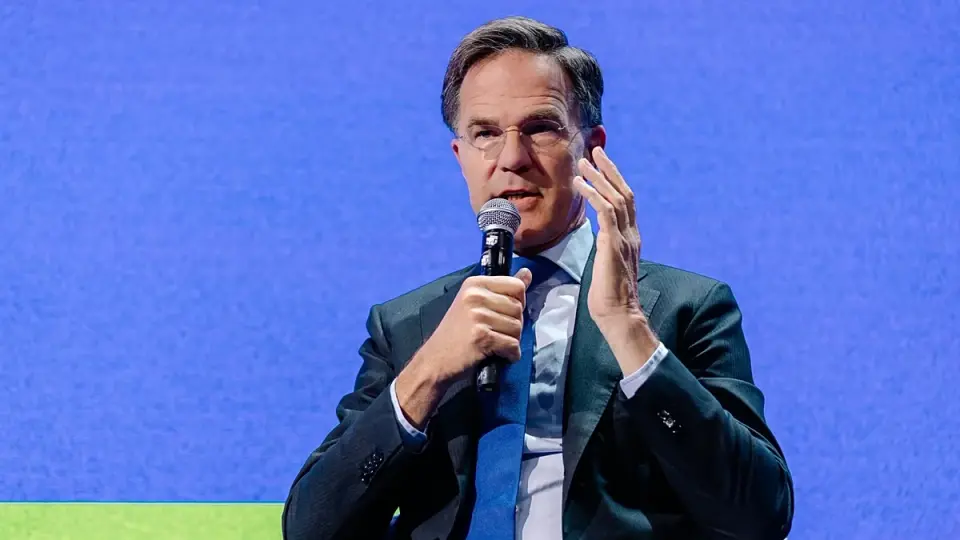
NATO Secretary-General Mark Rutte dismissed Russian nuclear threats regarding the Kaliningrad exclave as 'not helpful,' asserting the alliance is prepared to defend its territory. Simultaneously, UK Prime Minister Andy Burnham suggested the UK could rejoin the EU, a move welcomed by French and Spanish leaders. European officials remain divided on whether to engage with Moscow or prioritize military support for Ukraine.
Key points
- Russia sent a diplomatic letter to NATO warning it may use nuclear weapons if the alliance attempts to blockade the Kaliningrad exclave.
- NATO Secretary-General Mark Rutte stated there is no imminent threat to NATO territory and urged Russia to stop issuing nuclear threats.
- UK Prime Minister Andy Burnham floated the possibility of the UK rejoining the EU, citing options ranging from a customs union to full membership.
- French President Emmanuel Macron and Spanish Prime Minister Pedro Sánchez welcomed Burnham’s suggestion, with Macron calling Brexit 'the biggest lie of the last 30 years.'
- European Defence Commissioner Andrius Kubilius rejected calls for dialogue with Russia, arguing that such engagement would embolden Moscow and undermine Ukraine.
Background
This escalation follows months of heightened tensions in the Baltic region, where EU Eastern Flank commissioners have pushed for a unified regional coordinator to counter Russian hybrid threats. Previous coverage noted that NATO officials had already labeled similar Russian warnings as 'irresponsible rhetoric' aimed at intimidating European public opinion. The current diplomatic exchange occurs amid ongoing concerns about Russian hybrid warfare and infrastructure targeting in the region.
How outlets are covering it
Outlets differ on the urgency of the threat and the appropriate response. Euronews and The Guardian highlight Rutte’s dismissal of the nuclear threat as non-imminent, emphasizing NATO’s defensive posture. Al Jazeera focuses on the specific diplomatic memo from Moscow, detailing claims of a planned air and naval blockade. On the diplomatic front, Bulgarian PM Rumen Radev advocated for dialogue with Russia to avert nuclear risk, while EU Defence Commissioner Andrius Kubilius rejected this approach, arguing that Russia must feel the threat of war to achieve peace. Regarding the UK, The Guardian notes that while leaders welcome the sentiment, the technical process of rejoining the EU would be complex and difficult.
Why it matters
The exchange signals a potential shift in transatlantic and intra-European defence strategies, moving from purely diplomatic engagement to a focus on 'peace through strength.' The UK’s potential return to the EU could reshape European security and economic integration, while the nuclear rhetoric over Kaliningrad tests the limits of NATO’s deterrence and the resilience of European defence industries.
What to watch
EU Home Affairs Ministers are meeting in Luxembourg to discuss migration measures, including a potential temporary suspension of asylum rights. The EU-UK summit, postponed in July, is scheduled for November. European countries are expected to consider providing Ukraine with more interceptors, and the EU Commission is set to unveil a new framework for irregular arrivals next month.
- Escalating nuclear threats and a Brexit rethink euronews.com
- Why Russia's Kaliningrad is a potential flashpoint with NATO Reuters
- Latvian Defense Minister Says Russia's Hybrid Attacks, Not Nuclear Rhetoric, Are The Main Concern Radio Free Europe/Radio Liberty
- Russia warns NATO of possible nuclear response if Kaliningrad is cut off Al Jazeera
- No imminent threat to Nato territory but alliance is prepared for Russian aggression, says Rutte - as it happened The Guardian
Want the full story? Read the original reporting
Read on euronews.com