
Netanyahu’s Gaza Rejection: A Political Gambit Amidst US Pressure
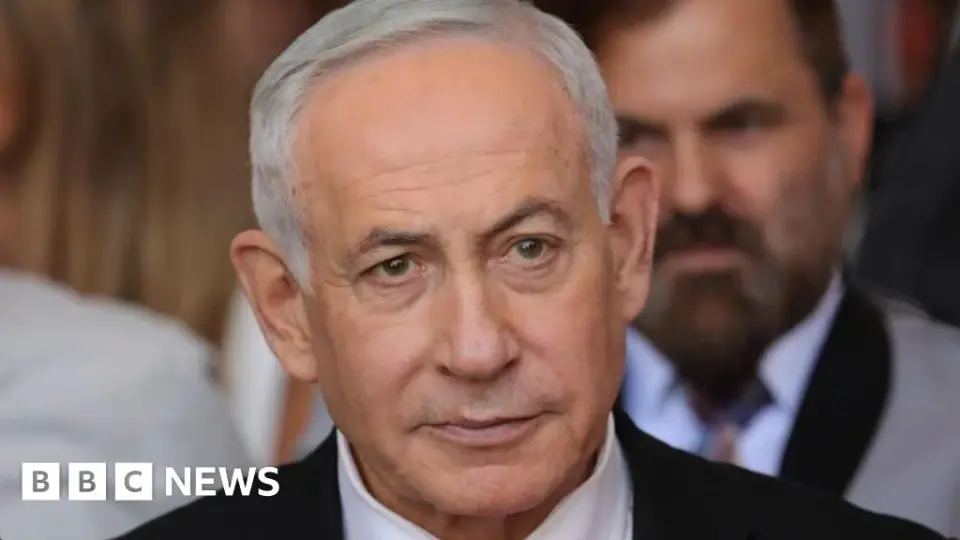
Israeli PM Benjamin Netanyahu has formally rejected the US-backed 15-point roadmap for Gaza, insisting on full Hamas disarmament before any Israeli withdrawal. While the White House views this as election rhetoric, the move risks straining relations with President Trump, who is seeking a foreign policy victory ahead of US midterms.
Key points
- Netanyahu stated in cabinet that Israel does not accept the 15-point document and will not withdraw until Hamas is fully disarmed, including light and heavy weaponry.
- The US-backed plan, announced by Trump in July, involves a phased withdrawal of Israeli forces as Hamas weapons are decommissioned and stored by a new Palestinian administration.
- Hamas has confirmed its commitment to the roadmap, calling on mediators to pressure Israel to comply, while Israeli far-right allies criticized the proposal as 'unacceptable.'
- The International Stabilization Force (ISF) is still expected to begin construction of its first base in Rafah at the end of the month, according to Israeli public radio.
- Netanyahu faces a general election on October 27, 2026, where he is trailing in polls, making the rejection a calculated move to appease his right-wing base.
Background
This dispute follows months of delicate negotiations between the US Board of Peace and Hamas, which reached an agreement in July for complete disarmament. Previous coverage highlighted the tension between Israel’s demand for security guarantees and the US push for a phased implementation. The current rejection marks a sharp public break from the US administration, which had previously described the deal as a 'major milestone.'
How outlets are covering it
The BBC and CNN frame Netanyahu’s rejection as a necessary political maneuver to secure his far-right coalition ahead of the October election, noting that the White House is 'not bothered' by the rhetoric as long as Israel maintains operational restraint. The New York Times emphasizes the 'tightrope' Netanyahu walks between satisfying Trump and his domestic base, highlighting the risk of alienating his most important ally. The Washington Post focuses on the immediate diplomatic fallout, noting that the rejection undermines Trump’s narrative of a breakthrough, though it does not explicitly address the US midterm election context as prominently as the BBC and CNN do.
Why it matters
The rejection threatens to stall the only viable path to ending the conflict in Gaza, potentially prolonging the war and undermining US diplomatic efforts. It also highlights the fragility of the US-Israel alliance, as Netanyahu prioritizes domestic political survival over international consensus, risking a deeper rift with Washington at a critical time for both leaders.
What to watch
The Board of Peace is expected to continue pushing for implementation, with High Commissioner Nickolay Mladenov emphasizing that the process is based on 'verification' rather than trust. The US may increase pressure on Netanyahu, especially as Trump seeks a foreign policy win before the November midterms. The construction of the ISF base in Rafah remains scheduled, but its success depends on whether Israel and Hamas can bridge the gap between their positions.
- Benjamin Netanyahu's rejection of Trump's 15-point Gaza plan unlikely to be final word BBC
- Netanyahu calculates upsetting Trump is his least-bad option CNN
- Netanyahu Walks ‘Political Tightrope’ on Trump’s Gaza Disarmament Deal The New York Times
- Netanyahu rejects Trump-backed Gaza plan for Hamas disarmament, Israeli withdrawal The Washington Post
- Netanyahu rejects Trump's Gaza Peace Plan, demands Hamas disarm first NPR
Want the full story? Read the original reporting
Read on BBC