
Nordic Leaders Break Silence with 90-Minute Putin Call Amid European Fractures
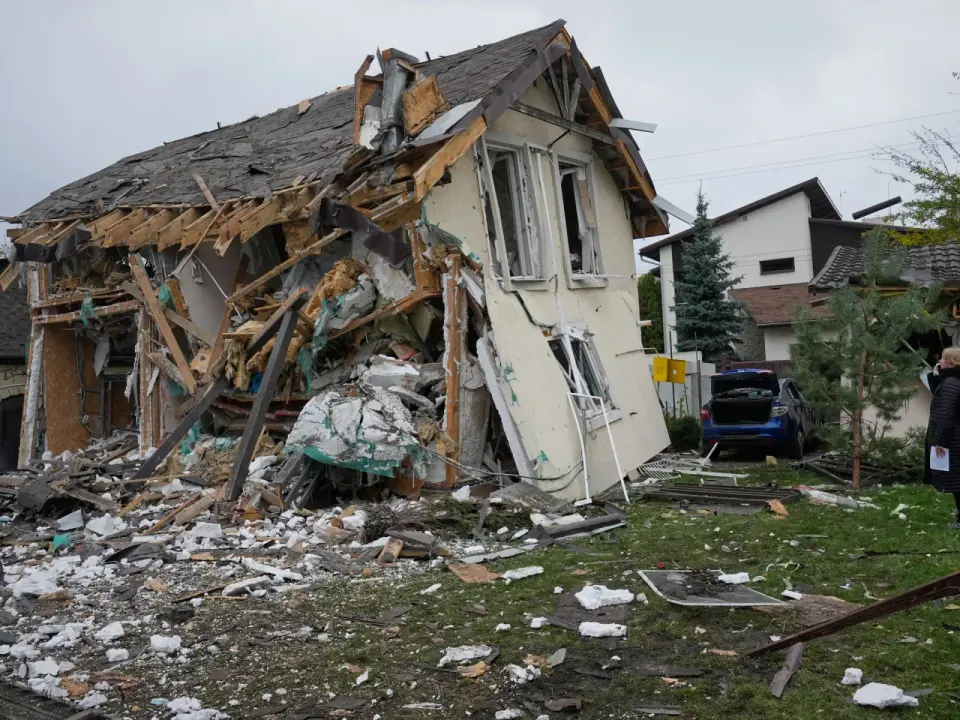
Finnish President Alexander Stubb and Norwegian Prime Minister Jonas Gahr Støre held a 90-minute phone call with Russian President Vladimir Putin on October 27, marking the first direct contact between Putin and Western European leaders since May. The conversation, described by Stubb as 'frank and substantive,' aimed to open a diplomatic channel ahead of US-brokered peace talks in Abu Dhabi. While the Nordic leaders emphasized their support for Ukraine and de-escalation, the Kremlin maintained that peace requires unconditional recognition of Russian interests. The initiative sparked sharp criticism from other European nations, who warned against fragmented diplomacy, while a localized ceasefire in the occupied city of Oleshky began the same day.
Key points
- Stubb and Støre spoke with Putin for 90 minutes, exceeding the initial 20-minute plan, to discuss ending the war in Ukraine.
- The call was coordinated with Ukraine and the US, following a meeting in Oslo involving US special envoy Steve Witkoff and Ukrainian President Volodymyr Zelenskyy.
- Putin reiterated that 'root causes' of the conflict, including NATO expansion, must be resolved before peace negotiations can proceed.
- A limited ceasefire in Russian-occupied Oleshky, Kherson Oblast, began on October 27 to allow humanitarian aid and civilian evacuations.
- European leaders, including Denmark’s Mette Frederiksen and Sweden’s Ulf Kristersson, criticized the move as uncoordinated and ineffective.
Background
This development follows a period of deteriorating relations between the US and Ukraine, with President Donald Trump lifting sanctions on Russia and restricting access to Starlink military systems. The Nordic call occurs amid stalled peace negotiations and a shift in US policy favoring Russian positions. Previous archive coverage noted that European leaders have been sidelined from US-led talks, prompting some to seek direct channels with Moscow to influence the diplomatic process.
How outlets are covering it
Al Jazeera and BBC highlight the call as a breakthrough in Western-Russia dialogue, emphasizing the Nordic leaders' intent to influence peace efforts. However, they note skepticism from other European leaders who fear fragmented diplomacy. The Institute for the Study of War (ISW) provides a critical analysis, stating that Putin used the call to reiterate maximalist demands, including recognition of occupied territories and NATO rollback. ISW also notes that the call coincided with a localized ceasefire in Oleshky, which ISW describes as the largest de-escalation since 2022, though questions remain about the treatment of evacuated residents. While Al Jazeera and BBC focus on the diplomatic significance, ISW emphasizes the military and strategic implications, including Russia's continued drone strikes and logistical campaigns in Ukraine.
Why it matters
The call signals a potential shift in European diplomatic strategy, as Nordic leaders attempt to bridge the gap between Russia and the West amid US-led negotiations. It highlights the growing divide within Europe over how to engage with Moscow, with some leaders advocating for direct dialogue and others warning against unilateral approaches. The outcome of these talks could influence the broader peace process and the future of NATO-Russia relations, particularly as the US continues to prioritize energy deals over diplomatic pressure on Russia.
What to watch
The next major step is the US-brokered peace talks in Abu Dhabi, scheduled for November, where the outcomes of the Nordic-Putin dialogue may be tested. European leaders are expected to coordinate a unified position ahead of these talks, while the Kremlin will likely continue to press its demands for recognition of occupied territories. The situation in Oleshky will also be monitored, as the treatment of evacuated residents could become a key issue in future negotiations. Additionally, the US and Ukraine may reassess their relationship, particularly regarding sanctions and military support, as the diplomatic landscape shifts.
- Norway and Finland hold rare phone call with Putin: What that means Al Jazeera
- Russian Offensive Campaign Assessment, October 27, 2026 Institute for the Study of War
- European Leaders Split Over Phone Call to Putin The New York Times
- Two Nordic leaders urge Putin to end Ukraine war in rare direct contact by Europeans Reuters
- Norway and Finland leaders hold rare call with Putin BBC
Want the full story? Read the original reporting
Read on Al Jazeera