
Netanyahu Rejects Trump's Gaza Peace Plan, Demanding Full Hamas Disarmament Before Withdrawal
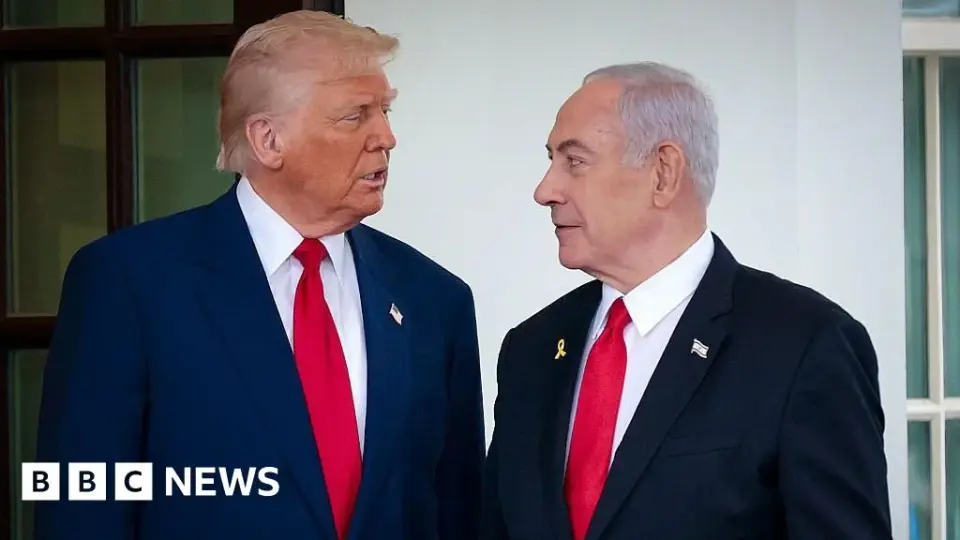
Israeli Prime Minister Benjamin Netanyahu explicitly rejected the 15-point peace plan for Gaza proposed by US President Donald Trump’s Board of Peace. Netanyahu stated that Israeli forces will not withdraw from Gaza until Hamas is fully disarmed, including light weapons, rejecting the phased approach outlined in the plan. While Hamas reaffirmed its commitment to the agreement, it insisted that disarmament must follow an Israeli withdrawal and a halt to hostilities. The rejection strains US-Israel relations and complicates the peace process, with Netanyahu facing domestic pressure from his right-wing coalition ahead of October elections.
Key points
- Netanyahu declared at a cabinet meeting that Israel rejects the 15-point document, insisting on 'genuine' disarmament of all Hamas weapons before any troop withdrawal.
- Hamas stated it remains committed to the plan but requires Israel to cease aggression and withdraw forces first, calling on mediators to enforce compliance.
- The Board of Peace, led by Trump, described the plan as the only path forward, emphasizing a verifiable and reversible process for disarmament and withdrawal.
- Netanyahu’s stance aligns with demands from far-right coalition members, including Finance Minister Bezalel Smotrich, who opposed concessions to Hamas.
- The rejection occurs amid ongoing Israeli strikes in Gaza, with over 73,000 deaths reported since the war began in October 2023.
Background
The 15-point plan was announced in September 2025 and involved the creation of the Board of Peace to oversee implementation, including Hamas disarmament, Israeli troop withdrawal, and Gaza reconstruction. Previous tensions arose from disagreements over sequencing, with Hamas demanding withdrawal before disarmament and Israel insisting on disarmament first. Netanyahu’s rejection follows months of stalled negotiations and growing friction with the US over regional conflicts, including Iran and Lebanon.
How outlets are covering it
BBC and NBC News reported Netanyahu’s explicit rejection of the 15-point plan, emphasizing his demand for full disarmament before withdrawal. CNN highlighted the strain on US-Israel relations and Netanyahu’s domestic political pressures, noting his coalition’s hardline stance. Al Jazeera focused on the implications for the peace process, with experts questioning the Board of Peace’s ability to enforce the plan without Israeli cooperation. All sources agreed on the core disagreement over sequencing but differed in emphasis: BBC and NBC focused on the immediate rejection, CNN on political dynamics, and Al Jazeera on regional and diplomatic consequences.
Why it matters
The rejection undermines Trump’s peace initiative and risks further escalation in Gaza. It highlights the deep divide between Israel and Hamas on the order of disarmament and withdrawal, complicating efforts to achieve lasting peace. The situation also strains US-Israel relations, with Trump’s administration facing pressure to mediate while Netanyahu prioritizes domestic political survival ahead of elections.
What to watch
Netanyahu indicated ongoing discussions with US officials, suggesting potential negotiations on alternative terms. Hamas has called for mediators to enforce compliance, while the Board of Peace continues to advocate for the plan. The outcome will depend on whether Israel and Hamas can agree on a phased approach or if the impasse leads to further military action. Domestic political pressures in Israel may limit Netanyahu’s flexibility, while US mediation efforts could shape the next steps.
- Israel rejects Trump's 15-point plan for Gaza, Netanyahu says BBC
- Israel rejects Trump’s Gaza peace plan, saying no withdrawal until Hamas disarms CNN
- Israel rejects Trump’s 15-point plan for Gaza Al Jazeera
- Israeli Prime Minister Benjamin Netanyahu rejects Trump's Board of Peace plan for Gaza Sky News
- Israel rejects Trump’s 15-point plan for Gaza, PM Benjamin Netanyahu says NBC News
Want the full story? Read the original reporting
Read on BBC