
Pakistan vows unlimited support for Saudi Arabia as Houthi attacks intensify
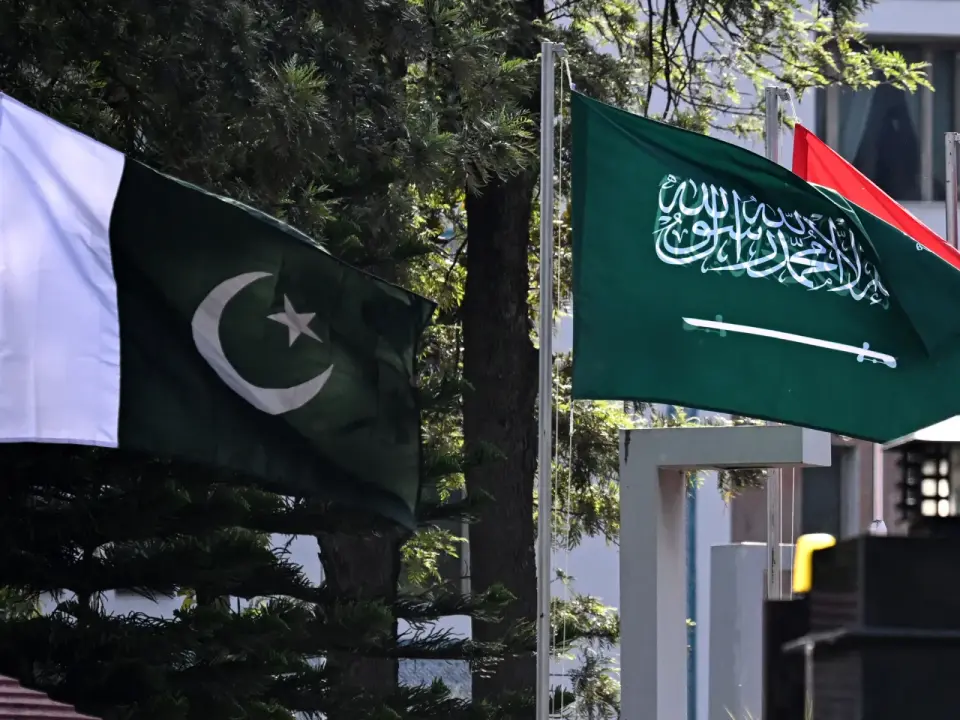
Pakistan’s military chief pledged to defend Saudi Arabia 'to any extent' against Houthi aggression, invoking the recently signed Mecca Joint Defence Agreement. While Islamabad confirmed existing troop deployments to protect Mecca and Medina, it clarified that no new military action is currently planned under the pact. The commitment comes amid escalating Houthi strikes on Saudi infrastructure and a broader regional crisis involving US-Iran tensions.
Key points
- Lieutenant-General Ahmed Sharif Chaudhry stated Pakistan would support Saudi Arabia 'physically' and 'to any extent' if aggression occurs.
- Pakistan has already deployed fighter and support aircraft to Saudi Arabia’s King Abdulaziz Air Base since April 2026.
- The Mecca Joint Defence Agreement, signed in September 2025, treats an attack on one member as an attack on all, but operational provisions remain undefined.
- Houthi leader Abdel-Malik al-Houthi denied targeting Mecca, calling Saudi accusations a 'heinous lie,' while promising to strike deep into Saudi territory.
- Saudi Arabia conducted approximately 37 airstrikes in Yemen, killing five people, including three children, according to local sources cited by Al Jazeera.
Background
The Mecca Joint Defence Agreement was formalized in August 2026, following a bilateral pact between Saudi Arabia and Pakistan in September 2025. Previous coverage noted that Pakistan walked back earlier warnings of immediate military action under the pact, emphasizing that the agreement is defensive and requires consultation. The current escalation tests the alliance’s operational readiness amid broader US-Iran hostilities.
How outlets are covering it
Al Jazeera and NDTV highlight Pakistan’s strong verbal commitment to Saudi security, emphasizing the 'physical' aspect of support. War on the Rocks offers a critical analysis, arguing the alliance lacks a clear hierarchy or common enemy, with each member (Saudi Arabia, Türkiye, Pakistan) viewing itself as a patron rather than a client. This structural ambiguity may limit the alliance’s ability to act as a unified military bloc, resembling a flexible arrangement rather than a traditional NATO-style pact. Yahoo’s source was inaccessible due to technical errors, so its perspective could not be synthesized.
Why it matters
The pledge signals a potential shift from diplomatic to military involvement for Pakistan in the Gulf, testing the viability of the Mecca pact. If the alliance fails to coordinate a response, it may expose vulnerabilities in regional security architectures and embolden Houthi attacks, potentially destabilizing oil supply routes and holy site security.
What to watch
Watch for any formal request from Saudi Arabia to activate the Mecca pact’s collective defense clause. Monitor whether Pakistan or Türkiye deploy additional forces or engage in direct strikes against Houthi targets. Also, observe if Egypt or other nations join the alliance, which could further complicate or strengthen the security framework.
- Pakistan pledges full committment to defence of Saudi Arabia Al Jazeera
- 'Will Go To Any Extent': Pak Vows Full Support To Saudi Amid Houthi Attacks NDTV
- Three Patrons, Three Clients: The Mecca Alliance No One Owns War on the Rocks
- Pakistan hints at joining war on Houthis Yahoo
- Mecca Joint Defense Agreement tested by Iran-backed Houthi attacks The Jerusalem Post
Want the full story? Read the original reporting
Read on Al Jazeera