
Putin Concedes Russia Misjudged Refinery Vulnerability as Fuel Crisis Deepens
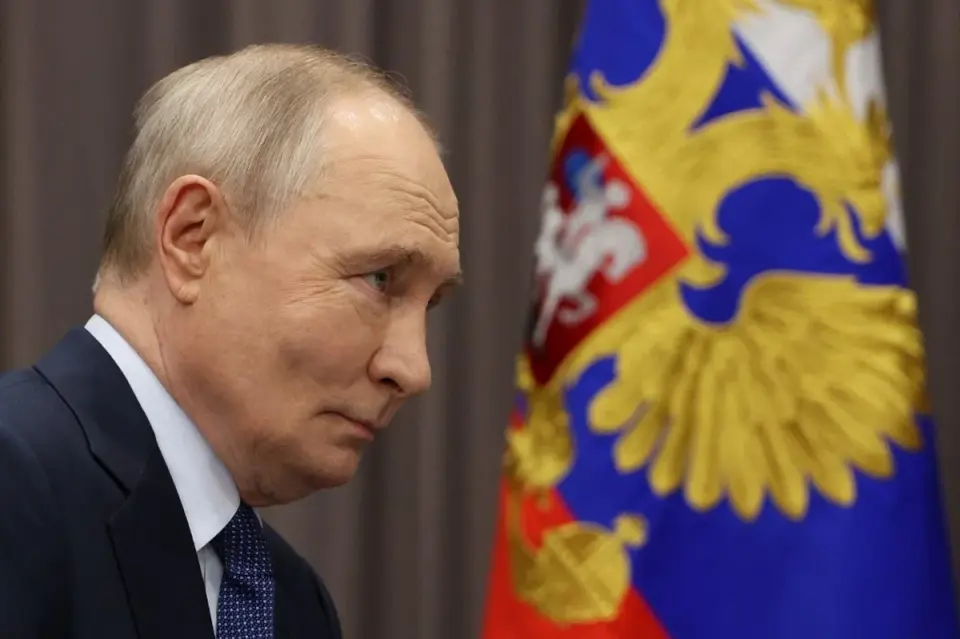
Vladimir Putin admitted at the Eastern Economic Forum that Moscow erred by assuming oil refineries would remain off-limits as civilian targets. Ukrainian drone strikes have crippled Russian refining capacity, forcing the country to import gasoline from India, Morocco, and Turkey to cover a daily shortfall of 30,000 tons. While Putin claims defenses are improving, fuel rationing persists across 17 regions.
Key points
- Putin acknowledged Russia was 'mistaken' in believing refineries would not be targeted, despite their civilian status.
- Ukrainian drones have struck Russian refineries at least 70 times in 2026, pushing output to a 20-year low.
- Gasoline production currently covers only 70% of domestic demand, creating a 30,000-ton daily deficit.
- Russia is importing fuel from India, Morocco, and Turkey, while increasing purchases from Belarus.
- Putin warned citizens to prepare for continued shortages but claimed 10% of damaged capacity will be restored soon.
Background
This crisis follows months of escalating strikes. In August, refinery throughput hit a 24-year low, and Russia began importing fuel from India in July. Previous coverage noted that while Putin promised to maintain social obligations, the deficit has forced widespread rationing and price monitoring across vulnerable regions.
How outlets are covering it
Kyiv Post and ua.news highlight Putin’s admission of strategic error and the severity of the shortage, noting that 17 regions have imposed fuel limits. Energy Intelligence provides a contrasting view, reporting that Russian oil and gas producers still boosted first-half revenues due to higher global oil prices driven by Middle East conflicts, suggesting the upstream sector remains profitable despite refining disruptions. www1.ru emphasizes the defensive response, citing new protective complexes like 'Pautina' and claims that recent strikes failed, though it notes 38% of refining capacity remains idle. The outlets agree on the scale of the damage but differ on whether the crisis is a total failure or a manageable setback for the broader energy sector.
Why it matters
The crisis exposes a critical vulnerability in Russia’s energy infrastructure, undermining its ability to sustain the war effort without external fuel imports. It also signals a shift in Ukrainian strategy, targeting civilian energy assets to inflict economic pain, mirroring tactics Russia has used against Ukraine for years. The reliance on foreign gasoline could strain diplomatic and trade relationships, while domestic rationing may fuel public discontent.
What to watch
Watch for the effectiveness of new air-defense systems like 'Pautina' and 'Pantsir' in protecting refineries. Monitor whether the 10% capacity restoration claimed by Putin materializes or if shortages persist. Also, track the volume of fuel imports from India and Turkey, as well as any potential diplomatic fallout from relying on non-aligned or sanctioned sources for critical energy needs.
- ‘We Were Mistaken’: Putin Admits Russia Was Unprepared for Ukrainian Strikes on Oil Refineries Kyiv Post
- Russian Companies Boost First-Half Revenues Despite Challenges Energy Intelligence
- Protection of Russian oil refineries against drones brought to a new level www1.ru
- Putin urged Russians to prepare for a prolonged gasoline shortage ua.news
- Novak: Russia aiming to maximize oil production Breakingthenews.net
Want the full story? Read the original reporting
Read on Kyiv Post