
Putin Decree Enables State Seizure of Private Infrastructure After Ukrainian Drone Strikes
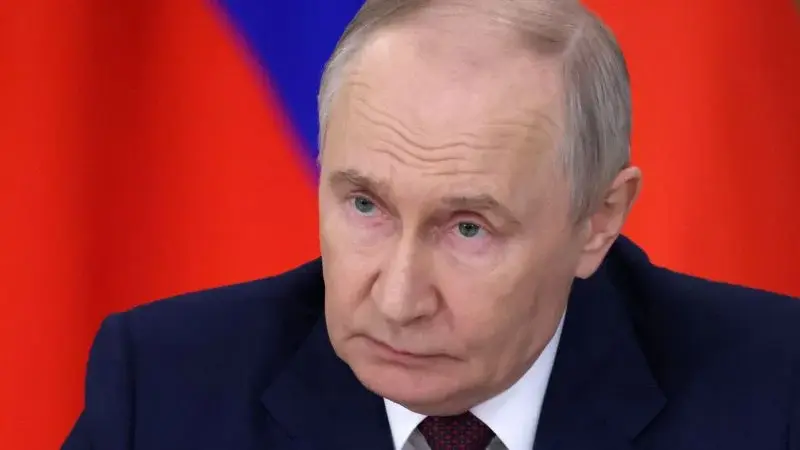
Vladimir Putin signed a decree allowing the Russian state to temporarily seize control of critical infrastructure if private owners fail to protect it from Ukrainian attacks. The measure targets fuel, energy, logistics, and communications sectors, transferring ownership rights to the Federal Agency for State Property Management. This follows a surge in Ukrainian drone strikes that have damaged major refineries and e-commerce hubs, causing fuel shortages and economic strain across Russia.
Key points
- Putin’s decree, effective August 25, 2026, permits the government to impose 'temporary administration' on critical infrastructure if owners are deemed slow to secure or repair facilities after attacks.
- The decree covers fuel and energy (including nuclear), industrial, communications, transport, and logistics sectors, transferring property rights, shares, and assets to the state.
- Ukrainian strikes have recently targeted Ozon logistics hubs and the Perm oil refinery, causing operational halts and fuel shortages in several Russian regions.
- Kremlin spokesperson Dmitry Peskov cited inadequate anti-drone security measures by private owners and Western support for Ukraine as justifications for the new powers.
- Ukraine’s long-range drone campaign has intensified, targeting energy and logistics nodes to undermine Russia’s war economy, while Russia continues missile and drone attacks on Ukrainian cities.
Background
This decree follows earlier reports in August 2026 of expanding Kremlin powers over infrastructure and ongoing fuel shortages linked to Ukrainian strikes on refineries like Orsk and Perm. The move reflects a broader trend of state intervention in response to sustained Ukrainian attacks on Russian economic targets.
How outlets are covering it
CNN and Al Jazeera emphasize the decree’s response to Ukrainian strikes on logistics hubs like Ozon and Wildberries, as well as the Perm refinery halt. Ukrainian Pravda highlights the decree’s broad scope, including foreign entities, and notes Putin’s earlier acknowledgment of economic damage. All sources agree on the decree’s effective date and the justification of inadequate private security, but differ in emphasis: CNN focuses on the economic impact, while Al Jazeera and Pravda detail the specific sectors and legal mechanisms involved.
Why it matters
The decree marks a significant shift toward state control of private assets in critical sectors, potentially reshaping Russia’s economic landscape amid wartime pressures. It signals Moscow’s intent to centralize infrastructure management to mitigate the impact of Ukrainian strikes, which could have long-term implications for private ownership and foreign investment in Russia.
What to watch
Observers will watch for the first instances of state takeover under the decree, particularly in energy and logistics sectors. The effectiveness of these measures in preventing further damage from Ukrainian strikes, and any pushback from private owners, will be key indicators of the decree’s impact.
- Russia’s infrastructure is being pummeled by Ukrainian strikes. Now Putin wants to seize control of it CNN
- Russia to seize poorly protected infrastructure amid Ukraine drone attacks Al Jazeera
- Putin decree lets Russia take control of infrastructure damaged in Ukrainian drone attacks ABC News - Breaking News, Latest News and Videos
- Putin orders protection of logistics and fuel-energy sector from drones, enables state control if owners fail Українська правда
- Putin Allows Russia to Take Over Poorly Protected Facilities Bloomberg
Want the full story? Read the original reporting
Read on CNN