
Putin Relays Iran Peace Terms to Trump Amid Houthi Strikes and Diesel Deal
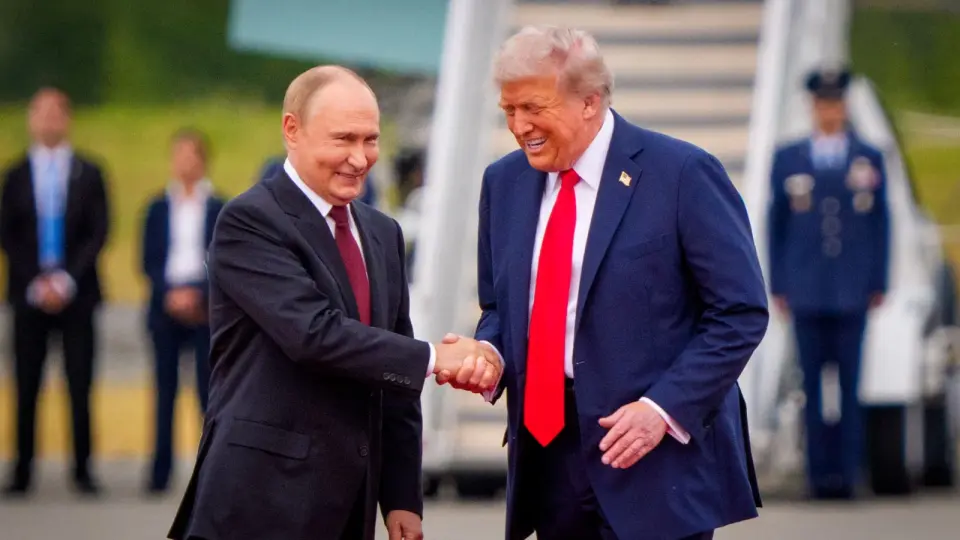
Russian President Vladimir Putin conveyed Tehran’s conditions for ending the Iran war to President Donald Trump following a meeting in Turkmenistan. This diplomatic move coincides with a new U.S. waiver allowing Russian diesel exports to stabilize global energy prices, a move Ukraine condemned as prolonging the war. Simultaneously, escalating Houthi attacks on Saudi airports have prompted Trump to consider direct U.S. military involvement in Yemen.
Key points
- Putin told Trump about Iran’s peace proposal after meeting President Masoud Pezeshkian in Turkmenistan, according to Kremlin spokesman Dmitry Peskov.
- The U.S. Treasury waived sanctions on Russian diesel through April 2027, allowing Moscow to supply 4 million tons to global markets amid price spikes.
- Houthi strikes killed at least 12 people at Riyadh’s King Khalid International Airport, leading Trump to consider joining Saudi-led operations against the group.
- Ukrainian President Volodymyr Zelenskyy criticized the diesel deal, arguing that easing sanctions without de-escalation commitments only funds Russian war efforts.
- The U.S. military disabled a commercial vessel in the Gulf of Oman, part of a blockade that has turned around 135 ships since July.
Background
This development follows months of stalled diplomacy. In September, Trump invited Putin to the G20 in Miami, a move criticized by European leaders for normalizing Russian aggression. Prior to that, the Kremlin rejected holding talks in Miami, insisting on Moscow as the venue. Recent polls indicate Putin’s domestic support has dropped to roughly 65%, reflecting growing war fatigue among the Russian public.
How outlets are covering it
CNBC and CBS News emphasize the immediate security crisis, highlighting the deadly Houthi strikes on Saudi infrastructure and the U.S. military’s aggressive blockade of Iranian shipping. Al Jazeera focuses on the diplomatic dimension, noting Putin’s pledge to 'do everything' to help resolve the conflict and the strategic partnership between Moscow and Tehran. The Kremlin’s official site was inaccessible due to a security error, but Russian state media reported the phone call. While Trump frames the diesel deal as a market stabilizer, Zelenskyy and European critics view it as a dangerous concession that prolongs the Ukraine war.
Why it matters
The convergence of energy sanctions waivers, direct military threats in the Middle East, and high-level diplomatic messaging signals a shifting strategy in the ongoing conflicts. The U.S. decision to allow Russian diesel exports prioritizes domestic fuel prices ahead of midterm elections, potentially at the expense of Ukraine’s security. Meanwhile, the Houthi escalation threatens to draw the U.S. into a broader regional war, complicating efforts to end the Iran conflict.
What to watch
Watch for Trump’s final decision on U.S. military involvement against the Houthis. Monitor whether the Russian diesel supply actually stabilizes global prices or if sanctions waivers face further political backlash. Look for any response from Iran to the terms relayed by Putin, as the current diplomatic impasse may shift if Moscow’s mediation yields results.
- Putin relayed Iran war proposal to Trump, Kremlin says CNBC
- Live Updates: Trump says he is considering whether U.S. should join fight against Houthis after Saudi airport strike CBS News
- Meeting with President of Iran Masoud Pezeshkian Президент России
- Putin pledges Russia’s support to end US-led war on Iran Al Jazeera
- Putin told Trump about Iran's position on peace deal: Kremlin France 24
Want the full story? Read the original reporting
Read on CNBC