
Putin vows 'all weapons' response to Kaliningrad attack amid NATO tensions
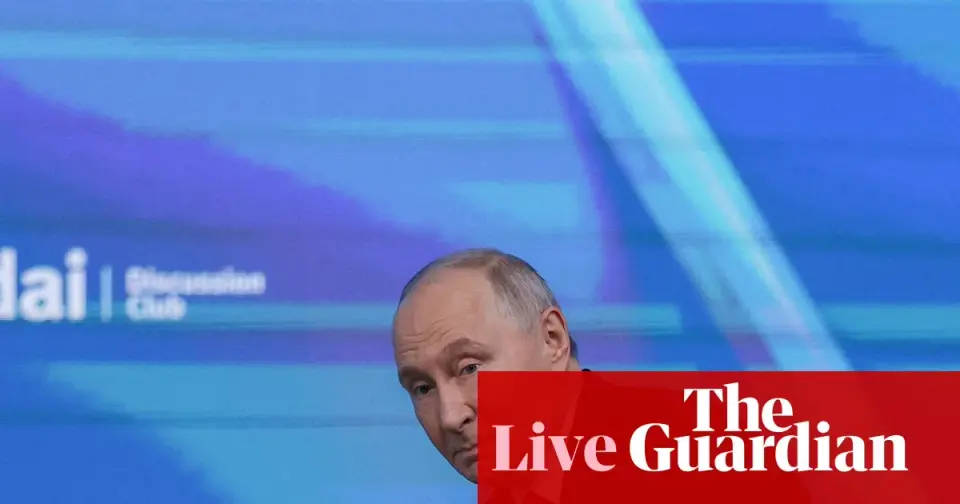
Vladimir Putin confirmed at the Valdai Discussion Club that Russia would deploy 'all weapons at its disposal' if its Kaliningrad exclave is attacked, framing this as a defensive response to NATO escalation. While he denied intentions to strike first, he blamed Western economic instability for shifting focus toward confrontation. Simultaneously, NATO Secretary General Mark Rutte warned of growing Russian hybrid attacks across Europe, and German Chancellor Friedrich Merz pledged swift retaliation against such threats.
Key points
- Putin stated that a direct attack on Kaliningrad or other Russian territories would trigger the use of all available weapons, including nuclear options, but insisted Russia has no intention to attack first.
- Putin attributed rising tensions to Western politicians preparing for war in 2029-2030 and claimed European governments use anti-Russia rhetoric to distract citizens from domestic economic failures.
- NATO Secretary General Mark Rutte declared Europe is 'not at peace' due to a full-blown war in Ukraine and a growing list of Russian hybrid attacks, including cyber-attacks and drone incidents.
- German Chancellor Friedrich Merz stated Germany is preparing for 'major hybrid attacks' and will respond 'swiftly and very clearly,' warning that the coming months are critical for European security.
- Putin denied responsibility for starting the war in Ukraine, claiming Russia was 'forced' to respond to aggression and NATO expansion, while also predicting continued international conflicts as Western hegemony wanes.
Background
This rhetoric follows recent escalations, including a drone incident at Leipzig Airport and suspected break-ins at Finnish MPs' homes, which NATO has linked to Russian hybrid warfare. Earlier in September, the Kremlin claimed to have assured US President Donald Trump that Russia had no aggressive plans toward Europe, a diplomatic message that contrasts with the current hardline stance. Additionally, Ukrainian forces recently made net territorial gains in September, which may be influencing Moscow's strategic posture.
How outlets are covering it
The Guardian and NDTV both report Putin's threat regarding Kaliningrad, emphasizing his claim that this is a defensive measure against NATO provocations. However, the Guardian highlights Putin's broader rant about European economic instability driving foreign policy, while NDTV focuses on the specific context of NATO military exercises in the Baltic Sea. Shelter.in.ua, a Ukrainian outlet, frames Putin's speech as a denial of responsibility for the Ukraine war, labeling him a 'dictator' and highlighting his claims of 'Russophobia.' In contrast, NATO officials like Rutte and Merz, as reported by the Guardian, frame the situation as Russia's 'desperation' and 'malign hybrid attacks,' rejecting the narrative that Western actions are the primary cause of tension. The sources diverge on the root cause of the conflict: Putin blames Western aggression and economic failure, while NATO and Ukrainian sources blame Russian 'violent revisionism' and war crimes.
Why it matters
The explicit mention of 'all weapons' by Putin, coupled with NATO's warning of 'full-blown war' and hybrid attacks, signals a significant escalation in rhetoric that could impact European security policy and defense spending. The potential for miscalcation in the Kaliningrad region, a heavily militarized exclave bordering Poland and Lithuania, raises the risk of a direct confrontation between NATO and Russia. Furthermore, the link between domestic economic issues in Europe and foreign policy, as argued by Putin, suggests that internal political pressures may be driving more aggressive postures, complicating diplomatic efforts to de-escalate the Ukraine conflict.
What to watch
Expect continued monitoring of Russian hybrid activities across Europe, including cyber-attacks and drone incidents, as NATO and member states like Germany prepare for potential 'major' attacks. Diplomatic channels may remain strained, with Putin's hardline stance likely to hinder peace negotiations. Ukraine's recent territorial gains may influence Russian strategic decisions, potentially leading to further escalatory rhetoric or actions. European governments may increase defense spending and coordination in response to the perceived 'rapidly increasing threat' from Russia, as noted by Dutch PM and others.
- Putin says ‘all weapons at disposal’ if there’s an attack on Russia – as it happened The Guardian
- Russia's Putin says continuation of international conflicts is highly likely as world changes Reuters
- Putin Warns About Using "All Types Of Weapons" If Kaliningrad Is Attacked ndtv.com
- Putin says Russia did not start the war against Ukraine shelter.in.ua
- Putin: World at turning point of development Breakingthenews.net
Want the full story? Read the original reporting
Read on The Guardian