
Putin Vows Retaliation as Ukraine Resumes Refinery Strikes, Cutting Russian Processing by 45%
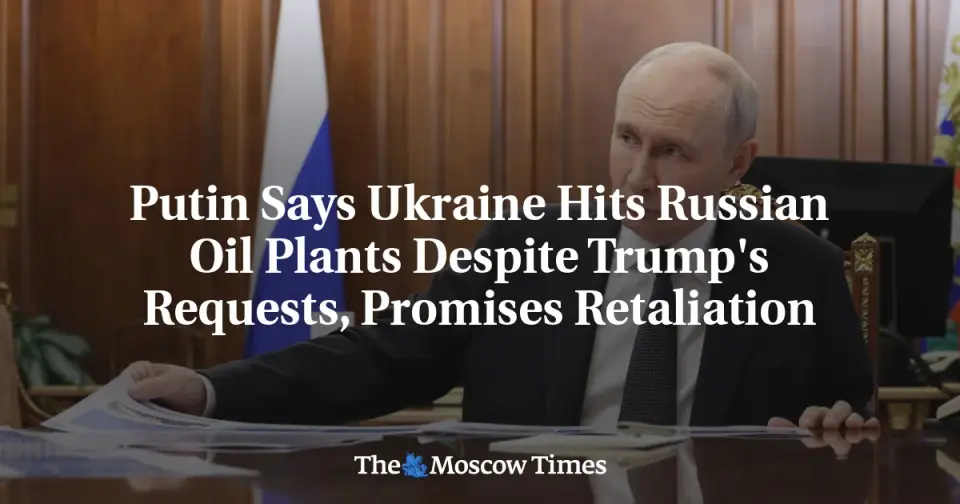
Vladimir Putin accused Kyiv of ignoring US President Donald Trump’s request to halt attacks on Russian oil refineries, pledging retaliatory measures. Ukrainian drone strikes have reduced Russian crude processing volumes by 45% since late October, leading to fuel shortages and price spikes. Meanwhile, the EU plans to ban Russian LNG imports from January 1, though Russia is expanding exports via the Northern Sea Route.
Key points
- Putin stated that Ukraine continues to attack refining facilities despite Trump’s direct appeal to refrain, calling such actions an ignoring of US advice.
- Putin declared that retaliatory measures are inevitable and requested additional security protocols for energy infrastructure.
- Industry estimates indicate Ukrainian drone attacks have cut combined Russian crude processing volumes by 45% since late October.
- Several Russian regions have implemented restrictions on retail gasoline and diesel sales due to supply disruptions, though prices have stabilized after peaking in October.
- The EU will cease purchasing Russian seaborne LNG starting January 1, despite Russian LNG exports to Europe rising 6.3% year-on-year in the first ten months of 2026.
Background
This escalation follows a temporary pause in Ukrainian strikes on energy targets that began in mid-October to support peace talks. Previous coverage noted that Ukraine resumed attacks after Russia continued targeting Ukrainian infrastructure, including strikes on refineries in Perm and Rostov regions. Earlier reports also highlighted that these strikes occurred ahead of diplomatic summits, including the APEC meeting in Shenzhen, where Putin discussed economic resilience despite the fuel crisis.
Why it matters
The resumption of strikes undermines the US-brokered energy ceasefire and risks further destabilizing global fuel markets. The 45% drop in Russian processing capacity threatens domestic supply chains, while the EU’s complete ban on Russian LNG from January 1 marks a significant shift in European energy policy, forcing Russia to pivot toward Arctic shipping routes and alternative markets.
What to watch
Analysts expect Russia to implement the promised retaliatory measures and enhance security around energy sites. Ukraine is likely to continue strikes unless Moscow halts attacks on Ukrainian energy infrastructure. The EU’s LNG ban will take effect in January, potentially accelerating Russia’s reliance on the Northern Sea Route and Asian markets.
Want the full story? Read the original reporting
Read on The Moscow Times