
Putin Declares European Troop Deployment in Ukraine a Red Line for War
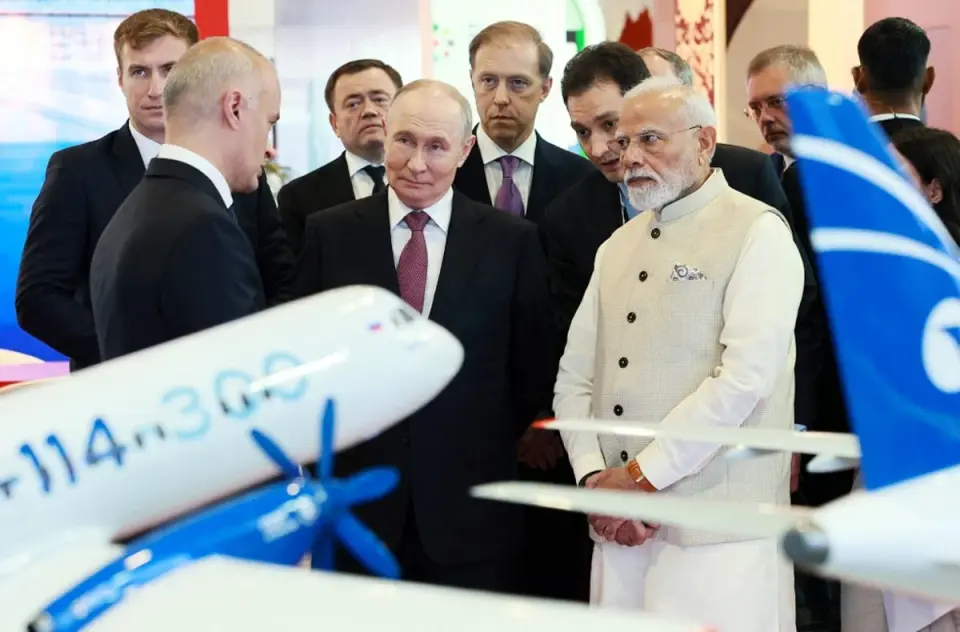
Russian President Vladimir Putin warned on September 11, 2026, that deploying European troops to Ukraine would constitute a direct war with Russia. Speaking at the BRICS summit in New Delhi, Putin simultaneously denied that Moscow poses any threat to Europe, calling such fears 'imaginary.' This statement follows recent European discussions on security guarantees for Ukraine and coincides with intensified Russian drone strikes on Ukrainian infrastructure.
Key points
- Putin stated that any deployment of European military forces onto Ukrainian territory would amount to 'war with Russia.'
- The warning was issued during a press conference at the BRICS summit in New Delhi, India, on September 11, 2026.
- Putin accused European leaders of frightening their populations with an 'imaginary' threat from Moscow, despite ongoing Russian military operations.
- European governments are currently debating security guarantees to prevent Moscow from regrouping after a potential ceasefire.
- No European troop deployment has yet occurred, but the threat aims to deter Western military support for Kyiv.
Background
This threat follows a pattern of Kremlin rhetoric aimed at discouraging Western military involvement. In early 2026, Ukraine, the UK, and France signed a declaration of intent regarding potential European troop deployment if a peace agreement is reached. Previous analysis suggests these threats are posturing rather than credible plans for direct kinetic action against NATO, as Russia’s primary strategy remains hybrid warfare and pressure on Ukraine’s infrastructure.
How outlets are covering it
Kyiv Post and Le Monde highlight the contradiction in Putin’s stance, noting he denies threatening Europe while simultaneously issuing war warnings. CBS News provides broader context, linking the threat to recent Russian drone strikes that killed eight civilians and damaged power grids in cities like Odesa and Zaporizhzhia. Ukrainska Pravda emphasizes that Putin framed European security discussions as an attempt to revise the outcome of World War II. All sources agree that no actual deployment has taken place, but the rhetoric serves to deter European commitments to Ukraine’s post-war security.
Why it matters
The threat underscores the fragility of potential peace negotiations. By defining European troop presence as a casus belli, Putin seeks to limit the scope of security guarantees Ukraine can secure. This dynamic complicates efforts by European leaders to ensure any ceasefire is backed by credible deterrence, potentially leaving Ukraine vulnerable to future Russian aggression if Western military support remains limited to non-deployment measures.
What to watch
European leaders will continue to debate the feasibility and form of security guarantees for Ukraine. The next major diplomatic event is the G20 summit in Miami in December 2026, where President Zelenskyy has expressed willingness to meet Putin if both are invited. Meanwhile, Russia is expected to maintain its air campaign against Ukrainian infrastructure ahead of winter, while diplomatic channels remain open despite the hostile rhetoric.
- Putin Issues New Threat to Europe Over Ukraine Kyiv Post
- Putin warns Europe against sending troops to Ukraine: "That means a war with Russia" CBS News
- Putin threatens Europe with war if European troops are deployed to Ukraine Українська правда
- As Europe weighs a peacekeeping force in Ukraine, Putin warns sending troops 'means a war with Russia' Fortune
- Putin says European troop deployment in Ukraine would be 'war against Russia' Le Monde.fr
Want the full story? Read the original reporting
Read on Kyiv Post