
Kremlin weighs nuclear brinkmanship and NATO strikes as fuel crisis deepens
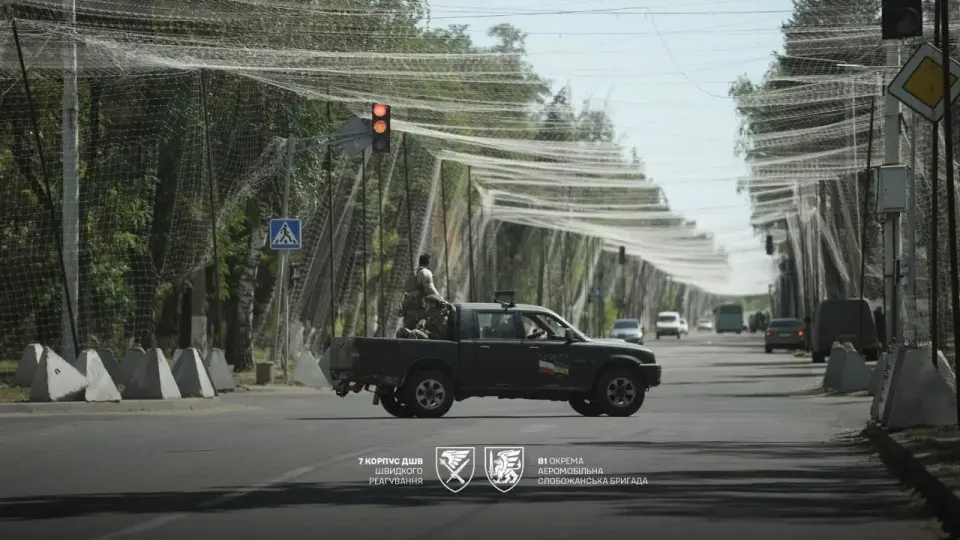
Intelligence reports suggest Vladimir Putin is considering escalating the war through intensified ballistic strikes or limited tactical nuclear use, while also weighing attacks on NATO members. A recent CIA warning to Moscow and a severe fuel shortage in Russia have not deterred these hawkish moves, though experts remain skeptical of an actual nuclear launch.
Key points
- Bloomberg reports that Kremlin sources are discussing increased ballistic attacks on Ukrainian cities and the potential use of tactical nuclear weapons, though analysts deem the latter unlikely.
- US intelligence fears Putin may test NATO unity via a cyberattack or small-scale ground invasion, particularly targeting Baltic states, amid domestic pressure and ammunition shortages.
- CIA Director John Ratcliffe recently visited Moscow to warn against such actions, a move compared by some to previous failed warnings before the 2022 invasion.
- Russia is facing a second wave of fuel shortages due to Ukrainian strikes on refineries, prompting the Kremlin to nationalize struggling energy companies.
- Peace talks have collapsed entirely, with Moscow viewing Ukrainian strikes as indirect attacks by NATO allies due to Western weapons and intelligence support.
Background
This escalation follows a period of intensified drone warfare and previous warnings from US intelligence officials. In July 2026, CIA Director Ratcliffe noted that AI-guided drones were drastically reducing Russian battlefield survival times. More recently, in August 2026, Ratcliffe made a surprise trip to Moscow to deliver warnings regarding potential Russian aggression against NATO, a visit that occurred as Zelenskyy warned of possible war escalation.
How outlets are covering it
EUobserver and Firstpost both highlight the risk of nuclear escalation but differ in emphasis. EUobserver focuses on the internal Kremlin debate, noting that while hawkish factions discuss tactical nuclear use, experts like Alexander Gabuev argue Putin has little incentive to cross the nuclear threshold as long as conventional options remain. Firstpost emphasizes the scale of recent missile strikes, noting 260 missiles launched on August 26, and details the specific tactical nuclear systems Russia possesses, such as the Iskander-M and Kinzhal. Both outlets agree that while the threat is serious, an actual nuclear strike remains highly unlikely, with EUobserver citing military expert Gustav Gressel’s skepticism and Firstpost noting that experts view a strike as far from reality.
Why it matters
The potential for nuclear brinkmanship or a direct attack on NATO members represents a critical shift in the conflict’s risk profile. If Moscow chooses to escalate through limited nuclear use or a provocation against Baltic states, it could trigger a broader European war. The collapse of peace talks and the deepening energy crisis in Russia suggest that diplomatic resolution is currently stalled, increasing the likelihood of unpredictable military actions by the Kremlin.
What to watch
Analysts expect some form of Russian mobilization, possibly partial, as a response to battlefield losses and domestic pressure. The situation will likely be monitored closely for signs of a full mobilization or a direct attack on NATO territory. The fuel crisis may continue to strain the Russian economy, potentially influencing Moscow’s strategic calculations in the coming months.
Want the full story? Read the original reporting
Read on EUobserver