
Russia demands NATO retreat to 1997 borders in exchange for Kaliningrad troop withdrawal
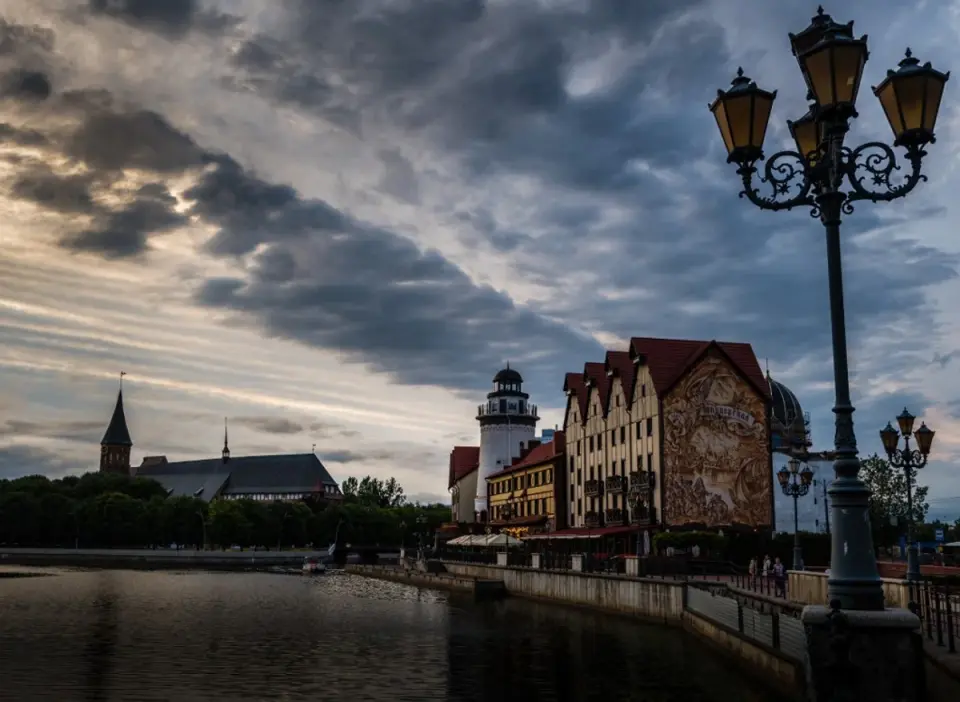
Russia has proposed that NATO withdraw troops from Central and Eastern Europe to 1997 levels in exchange for Moscow pulling forces from the Kaliningrad exclave. US envoys Steve Witkoff and Jared Kushner presented this idea to European allies, while Moscow also demanded nonaggression pacts with individual nations. These maximalist demands, which echo pre-invasion positions, have stalled peace talks and raised concerns that they could dismantle NATO’s collective defense structure.
Key points
- Russia proposed rolling back NATO’s military presence to 1997 levels in exchange for withdrawing troops from Kaliningrad, according to Bloomberg.
- US envoys Steve Witkoff and Jared Kushner presented the idea to European allies and pressed them to consider changes to troop deployments.
- Moscow also demanded nonaggression pacts with individual European nations, which analysts warn could undermine NATO’s collective defense principle.
- The proposal echoes demands Moscow made before its 2022 invasion, including calls for NATO to abandon its presence in Eastern Europe.
- Kaliningrad, wedged between Poland and Lithuania, hosts Russia’s Baltic Fleet and Iskander missiles, making it a strategic vulnerability for Moscow.
Background
Recent border incidents between Poland and Kaliningrad, including thwarted provocations and hybrid threats, have heightened security concerns in the region. Lithuania also deployed troops to its Kaliningrad border in October 2026 amid similar tensions. These developments underscore the strategic sensitivity of the exclave, which is increasingly isolated by NATO expansion.
How outlets are covering it
Bloomberg and Kyiv Post emphasize the US-mediated nature of the talks and the specific trade-off proposed between NATO withdrawal and Kaliningrad troop pullout. Al Jazeera highlights the broader implications of Russia’s demands, noting that nonaggression pacts with individual nations could fragment NATO’s unity. Both sources agree that Moscow’s positions are maximalist and echo pre-invasion demands, but Al Jazeera places greater emphasis on the risk of European division and the potential for far-right political shifts in France and Germany to further weaken support for Ukraine.
Why it matters
If accepted, Russia’s demands would reverse decades of NATO expansion and effectively give Moscow a veto over the alliance’s military posture. This could destabilize European security architecture and weaken collective defense, potentially emboldening further Russian aggression. The proposals also highlight the fragility of US-led peace efforts and the deepening rift between Washington’s pragmatic approach and European allies’ concerns about sovereignty and security.
What to watch
Witkoff and Kushner are expected to meet Ukrainian and European officials in Berlin on Nov. 19 to discuss post-war security guarantees. Further US-mediated negotiations between Kyiv and Moscow are anticipated, alongside meetings involving European representatives. EU leaders have rejected the US proposals, but some have acknowledged that Ukraine could join NATO with altered borders if Kyiv agrees. The outcome of these talks will determine whether peace negotiations progress or stall amid maximalist Russian demands.
- Russia Wants NATO Back to 1997 Borders in Exchange for Pulling Troops From Kaliningrad Kyiv Post
- Russia seeks NATO pullback; Zelensky says U.S. asked about ceding territory The Washington Post
- Russian Offensive Campaign Assessment, November 14, 2026 Institute for the Study of War
- ‘NATO will collapse’: Russia stalls Ukraine talks, seeks to divide Europe Al Jazeera
- Pushing NATO's borders back to 1997: Putin's plan to roll back NATO's expansion in Europe DW.com
Want the full story? Read the original reporting
Read on Kyiv Post