
Russia Faces Renewed Fuel Crisis as Drone Strikes Force New Rationing
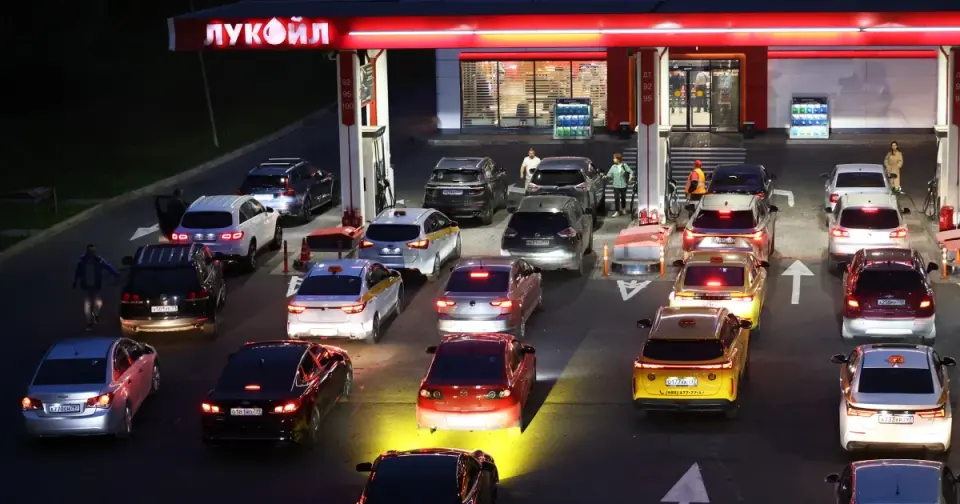
A second wave of fuel shortages has swept across Russia in August 2026, following a brief stabilization in July. Local authorities in at least 10 regions have reintroduced sales controls and rationing measures. The crisis is driven by recent Ukrainian drone attacks on oil refineries, including the shutdown of the Orsk facility, which has halted production for months. While diesel remains largely available, gasoline is scarce in major areas like Moscow and Crimea. The Russian government has acknowledged the 'tense' situation, ordering price monitoring and increased deliveries to vulnerable regions, while gasoline sales on the St. Petersburg exchange have dropped by 20% since early August.
Key points
- Gasoline is unavailable at many stations in the Moscow region, though diesel remains available at most locations.
- At least 10 Russian regions, including Orenburg, Lipetsk, and Krasnodar, have tightened fuel sales controls and rationing.
- The Orsk refinery in Orenburg region has been shut down for six months following a drone attack, with repairs expected to take months.
- Gasoline sales at the St. Petersburg International Mercantile Exchange fell by an average of 20% in early August compared to late July.
- In occupied Crimea, gasoline is largely unavailable, and residents report poor fuel quality and high prices despite official promises.
Background
This development follows a severe fuel crisis that began in May 2026 and peaked in July, when nearly all Russian regions faced shortages due to Ukrainian strikes on refineries and seasonal demand spikes. Previous measures included export bans, lowered quality standards, and the deployment of teachers to manage queues. A brief stabilization occurred in late July, but the current shortage marks a resurgence of the crisis.
How outlets are covering it
NBC News and Reuters report that the shortage is widespread, affecting at least 10 regions, with specific emphasis on the Moscow area and the drop in exchange sales. Euronews highlights the strategic aspect, noting that Ukraine's strikes are aimed at cutting off revenue for the Russian army, and cites the shutdown of the Orsk refinery as a key factor. The Ukrainian outlet Intent focuses on the occupied Crimea region, reporting that gasoline is largely unavailable and that local residents suspect fuel is being stockpiled for upcoming elections, though it notes no evidence for this claim. While all sources agree on the severity of the shortage, Euronews emphasizes the military context, whereas Intent highlights local economic and political anxieties in Crimea.
Why it matters
The renewed fuel crisis threatens to disrupt daily life and economic activity across Russia, from major cities like Moscow to tourist-heavy regions like Krasnodar. It underscores the effectiveness of Ukrainian long-range strikes in degrading Russia's energy infrastructure and highlights the fragility of Russia's domestic fuel supply chain. The situation may also impact public confidence in the government's ability to manage essential services, especially as prices remain high and quality complaints rise.
What to watch
The Russian government, led by Deputy Prime Minister Alexander Novak, is monitoring fuel prices and ordering increased deliveries to vulnerable regions. Oil companies are implementing measures to boost supplies, but the long-term resolution depends on the repair of damaged refineries, such as Orsk, which may take months. Continued Ukrainian strikes could further exacerbate the shortage, while the government may face pressure to introduce more stringent rationing or price controls.
- Second wave of fuel shortages at gas stations sweeps across Russia NBC News
- Russia admits new petrol shortages amid ongoing Ukrainian strikes Euronews.com
- Russian Regions Face New Fuel Crunch as Kyiv Hits Refineries Bloomberg.com
- Ukrainian drone strikes push up Russian trucking costs, stoking inflation Reuters
- Gasoline has once again run out at most gas stations in Crimea Інтент
Want the full story? Read the original reporting
Read on NBC News