
Ukraine’s Refinery Strikes Trigger New Wave of Russian Fuel Rationing
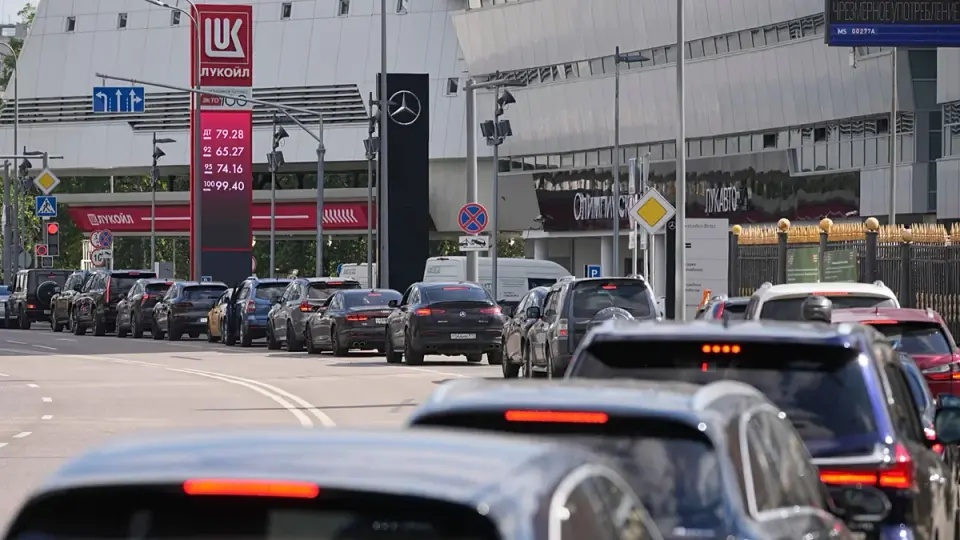
Russian authorities have acknowledged new petrol shortages across multiple regions following a resumption of intense Ukrainian drone attacks on oil refineries. The crisis is driven by the shutdown of the Orsk refinery and damage to other major facilities, forcing Moscow to implement strict rationing measures. While President Vladimir Putin previously dismissed the issue as a temporary deficit, regional governors now report worsening supply chains and restricted sales, highlighting the growing impact of Kyiv’s 'long-range sanctions' on the Russian economy and war effort.
Key points
- The Orsk refinery in Orenburg region was shut down for six months after a strike, with repairs expected to take months.
- Kaluga and Lipetsk regions have reintroduced rationing systems based on vehicle registration numbers.
- Astrakhan region plans to limit fuel sales to 40 litres per vehicle and restrict station hours.
- Ukraine has targeted 11 of Russia’s 34 major oil refineries since the beginning of August.
- Deputy Prime Minister Alexander Novak has ordered monitoring of fuel prices to prevent spikes.
Background
This latest shortage follows a pattern of escalating energy disruptions in 2026. In July, Ukrainian strikes on refineries in Ufa and Penza already began squeezing Moscow’s fuel production. By August, a previous wave of shortages had temporarily eased as regions lifted restrictions, but the current surge in attacks has reversed those gains. Earlier in the year, Russia relied on imports from India and Kazakhstan to mitigate these deficits, but the sustained nature of the strikes is now overwhelming these temporary fixes.
How outlets are covering it
Euronews emphasizes the official Russian admission of a 'tense' situation and Putin’s prior dismissal of the crisis as a 'temporary deficit,' framing it as a rare acknowledgment of vulnerability. The Daily Beast highlights the 'humiliating' nature of the crisis for the Kremlin, noting that rationing is now being imposed in regions close to Moscow, such as Kaluga, and that the strikes are effectively bringing the war's economic pain home to Russian civilians. Ukrainska Pravda provides the most granular logistical details, specifying exact rationing limits in Astrakhan and noting that fuel is being diverted from less affected areas to those with acute shortages, such as Voronezh. All sources agree that the strikes are targeting revenue sources for the Russian army, but they differ in emphasis: Euronews focuses on the political response, The Daily Beast on the domestic impact, and Ukrainska Pravda on the operational logistics of the shortage.
Why it matters
The recurrence of fuel shortages indicates that Ukraine’s long-range strike campaign is successfully degrading Russia’s ability to sustain its war economy. As refineries remain offline for months, the Kremlin is forced to choose between military fuel needs and civilian supply, potentially inflaming domestic discontent. This energy pressure may also constrain Russia’s ability to fund its military operations, as oil revenue is a critical component of the state budget.
What to watch
Analysts expect the fuel crisis to worsen in the coming months as repair work on damaged refineries takes time and new strikes continue. The Russian government may introduce further price controls or increase imports to stabilize the market, but these measures are unlikely to resolve the underlying capacity deficit. Regional governors may face increased public pressure as rationing affects daily life, potentially leading to more visible protests or calls for policy changes.
- Russia admits new petrol shortages amid ongoing Ukrainian strikes Euronews.com
- Russian Regions Face New Fuel Crunch as Kyiv Hits Refineries Bloomberg.com
- Putin Faces Humiliating New Crisis After Shock Attack The Daily Beast
- Ukrainian drone strikes push up Russian trucking costs, stoking inflation Reuters
- Several Russian regions reintroduce fuel rationing Укра��нська правда
Want the full story? Read the original reporting
Read on Euronews.com