
Russia Vows Continued Kyiv Strikes, Warns Diplomats of 'Adverse Consequences'
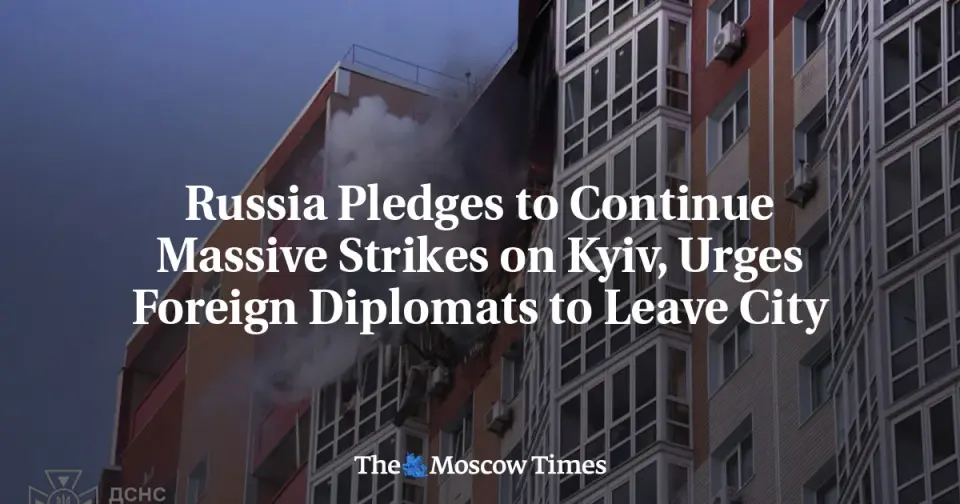
On October 3, 2026, the Russian Foreign Ministry declared it would continue systematic targeted strikes on Kyiv and other Ukrainian cities in retaliation for what it termed Ukrainian 'terrorist acts' against Russian civilians. The ministry simultaneously issued a stern warning to foreign nationals and diplomatic staff, urging them to leave Ukraine immediately, stating that responsibility for any negative outcomes would lie entirely with those who ignored the advice. This statement followed a recent escalation in attacks on Kyiv’s infrastructure, including a strike on a bridge across the Dnipro river. President Vladimir Putin reinforced this stance, asserting that Ukraine is paying the price for its own offensive actions. The conflict has intensified with mutual attacks on grain vessels in the Black Sea and ongoing Ukrainian drone strikes on Russian oil refineries and border regions, despite both sides denying the targeting of civilian infrastructure.
Key points
- The Russian Foreign Ministry stated that the Russian Armed Forces are continuing systematic targeted strikes on military facilities in Kyiv and other Ukrainian cities in response to Ukrainian actions against Russian civilians.
- Moscow explicitly warned foreign nationals and diplomatic mission staff against staying in or traveling to Ukraine, asserting that responsibility for any adverse consequences lies with those who ignore the warning.
- Recent strikes have included an air attack on a bridge across the Dnipro river in Kyiv, disrupting life for the city's three million residents ahead of winter.
- President Vladimir Putin stated that Ukraine is paying the price for its attacks on Russia and will continue to face systematic strikes on various targets.
- Both Russia and Ukraine have escalated attacks on each other's grain vessels in the Black Sea, while Russian oil refineries face Ukrainian shelling and drones kill civilians in Russian border regions.
Background
This escalation follows a pattern of increasing intensity in the Russia-Ukraine conflict. In late September 2026, Kyiv had already transitioned into a frontline city facing daily daylight attacks, with residents preparing for severe disruptions to heating and electricity as winter approached. Earlier in August, Russia had launched large-scale strikes across multiple Ukrainian cities, including Kyiv and Odesa, damaging infrastructure and causing service delays. In September, Ukrainian officials warned of widening strikes deep into Russia, including hits on gas-condensate plants in Yamalo-Nenets, in response to Moscow's hostilities. The current diplomatic warning aligns with previous reports of Western embassies drafting evacuation plans, although the US State Department had previously confirmed its embassy remained open.
Why it matters
The Russian pledge to continue massive strikes and the explicit warning to foreign diplomats signal a significant escalation in the conflict, potentially leading to a broader diplomatic crisis and increased humanitarian impact. The targeting of critical infrastructure like bridges and energy systems in Kyiv threatens to exacerbate the humanitarian situation for millions of residents as winter approaches. The mutual attacks on Black Sea grain vessels and energy infrastructure indicate that the war is expanding into economic and logistical domains, with potential global implications for food and energy security. The diplomatic warning also raises concerns about the safety of international personnel in Ukraine and could complicate ongoing diplomatic efforts for a ceasefire or peace talks.
What to watch
Monitor for any actual evacuations of foreign diplomats from Kyiv or other Ukrainian cities in response to the Russian warning. Watch for further escalations in strikes on critical infrastructure in Kyiv and other Ukrainian cities, particularly as winter approaches. Track developments in the Black Sea regarding attacks on grain vessels and any potential international response. Observe any diplomatic reactions from Western countries and the US State Department regarding the safety of their personnel in Ukraine. Look for any shifts in Russian or Ukrainian rhetoric regarding the targeting of civilian infrastructure and the justification for continued strikes.
Want the full story? Read the original reporting
Read on The Moscow Times