
Russia's Attritional Tactics Face Strategic Limits as Ukraine's Drone Advantage Deepens
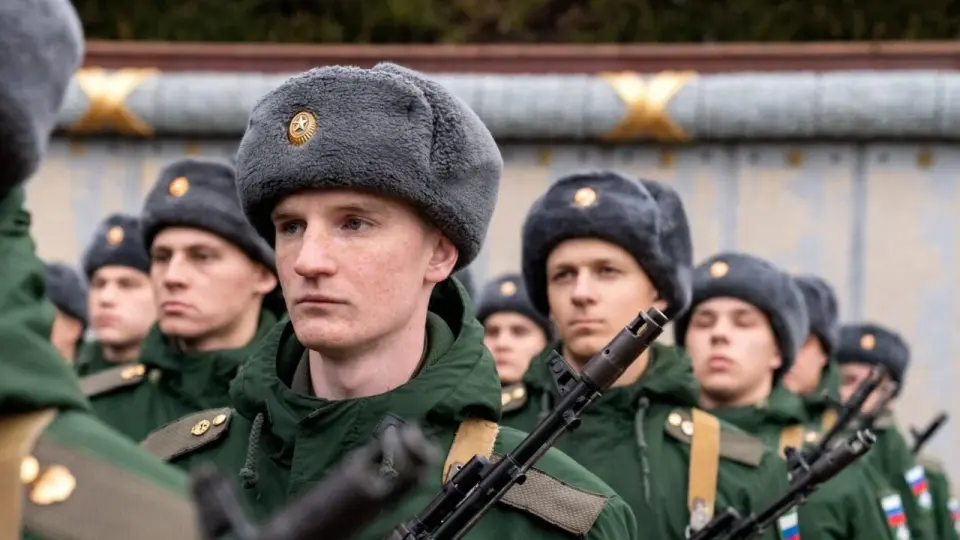
Russia continues to rely on high-casualty 'meat grinder' assaults and outdated Soviet-era tactics, resulting in 1.4 million total casualties. While Ukraine has exposed significant weaknesses in Russian conventional forces through drone innovation, experts note that Moscow is adapting by scaling up production and utilizing North Korean troops. However, the war remains a stalemate with no feasible military solution, as recent Ukrainian deep strikes failed to alter the frontline or force diplomatic concessions, instead triggering severe Russian retaliation and economic strain for Kyiv.
Key points
- Russian military culture prioritizes mass and obedience over soldier welfare, leading to the use of 'cripple battalions' and suicide missions, with average contract soldier ages reaching 50.
- Ukraine has degraded Russian conventional forces using drones and rapid technological adaptation, but Russia continues to expand weapons production and relies on North Korean ammunition and troops to fill gaps.
- Recent Ukrainian deep strikes into Russian territory failed to change the battlefield reality, resulting in no territorial gains and triggering increased Russian ballistic missile attacks on Ukrainian infrastructure.
- Russia has suffered 1.4 million casualties, and its economy faces mounting stress from manpower shortages and the need to finance a prolonged war, while Ukraine faces deepening demographic and economic crises.
- Analysts argue that the conflict has no feasible military solution, with both sides stuck in a high-tech war of attrition where technological momentum shifts frequently but does not lead to decisive victory.
Background
This development follows earlier reports in July 2026 indicating Russia was losing 5,000 to 6,000 troops weekly. Recent data from Ukraine's DELTA system highlighted that Ukrainian strikes yield a 5-to-1 cost advantage over Russian losses, yet the broader war remains a stalemate. Concurrently, Russian citizens have been withdrawing billions from banks due to fears of Kremlin asset seizures to fund the war, signaling growing economic instability.
How outlets are covering it
The National Interest emphasizes the brutality and inefficiency of Russian tactics, citing the use of 'cripple battalions' and the lack of tactical innovation despite five years of war. In contrast, RFE/RL via OilPrice.com presents a more nuanced view, acknowledging that while Ukraine has exposed Russian weaknesses, Moscow is successfully adapting by scaling up production and leveraging North Korean support, preventing total collapse. Responsible Statecraft argues that the war has no military solution, criticizing the narrative of Ukrainian 'breakthroughs' as misleading and noting that recent deep strikes have only escalated the conflict without achieving strategic goals, thereby undermining the case for continued U.S. support.
Why it matters
The persistence of outdated Russian tactics and the high cost of attrition highlight the unsustainable nature of the current war footing. The failure of recent Ukrainian offensive operations to alter the strategic balance suggests that diplomatic resolution may be the only viable path, as continued fighting risks further economic collapse for both nations without yielding decisive military advantages.
What to watch
Russia is expected to continue relying on mass assaults and foreign support to sustain its offensive, while Ukraine may face increased pressure to negotiate as its manpower and economic resources dwindle. The focus will likely shift to diplomatic efforts, though hardening positions from both sides, particularly Putin's refusal to return occupied territories, may delay any immediate breakthrough.
- Why Russia’s Outdated Military Culture Is Losing the Ukraine War The National Interest
- Putin’s bluster can’t hide the reality of Russian incompetence The Telegraph
- Ukraine Has Shattered the Myth of Russian Military Might Crude Oil Prices Today | OilPrice.com
- The never-ending myth of a looming Ukrainian 'breakthrough' Responsible Statecraft
- Inside Ukraine's strategy to pressure Putin, with Dmytro Kuleba Yahoo
Want the full story? Read the original reporting
Read on The National Interest