
Riyadh Pushes for Global Red Sea Security Pact as Houthi Blockade Disrupts Energy Flows
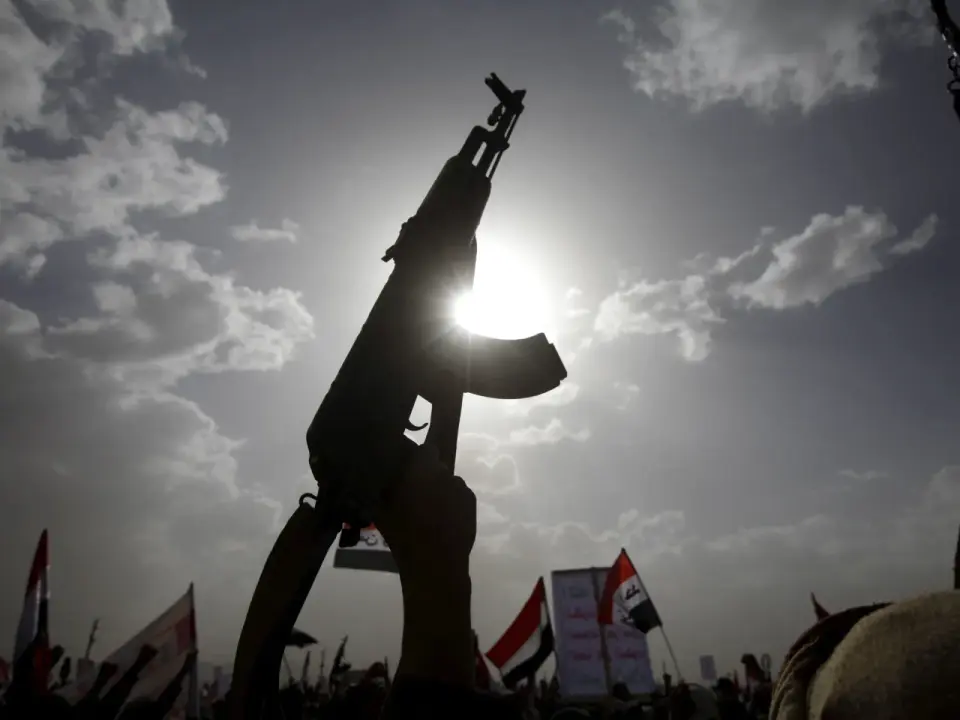
Saudi Arabia is negotiating with dozens of nations to form an international coalition aimed at protecting shipping lanes in the Red Sea from Houthi attacks. This diplomatic push follows a July 20 maritime blockade declared by the Houthis, which has led to strikes on Saudi tankers and infrastructure. The conflict has escalated into a broader regional crisis, with reports suggesting Iran is helping the Houthis establish a toll system for the Bab al-Mandeb strait, mirroring Tehran's strategy in the Strait of Hormuz. While Gulf states seek to de-escalate tensions, the situation has driven up oil prices and introduced new instability into global energy supply chains.
Key points
- Saudi Arabia is in discussions with dozens of countries to build an international coalition to safeguard Red Sea shipping, though the final composition of this group remains undecided.
- The Houthis announced a maritime blockade against Saudi Arabia on July 20, accusing Riyadh of a 12-year siege, and have since claimed attacks on Saudi vessels, including the tanker NCC Ghazal.
- Saudi Arabia responded to the blockade with airstrikes on Houthi military facilities in Hodeidah, while the US and Saudi Arabia jointly struck paramilitary groups in Iraq, killing at least 20 people.
- Yemen's Information Minister Moammar al-Eryani alleged that Iran's IRGC is assisting the Houthis in creating a fee collection system for ships transiting the Bab al-Mandeb, a move described as a dangerous escalation.
- Gulf Cooperation Council ministers from Qatar, Kuwait, and Bahrain emphasized de-escalation and condemned Iranian-backed attacks, reflecting a desire to avoid being dragged into the wider US-Iran conflict.
Background
This escalation follows a series of recent developments where Houthi forces targeted Saudi oil facilities in Yanbu and Jazan, marking the first such strikes since 2019. Earlier reports indicated that the Houthis were clashing with government forces in Dhale and facing internal tribal realignments, but the current focus has shifted to maritime security. The closure of the Strait of Hormuz due to US-Iran tensions has already stressed the global economic outlook, making the Red Sea a critical alternative route for crude oil exports. The current crisis represents a significant expansion of hostilities beyond the Gulf, directly impacting global energy markets and shipping logistics.
How outlets are covering it
Al Jazeera highlights the diplomatic efforts of Saudi Arabia to build a broad international coalition, noting that Gulf states generally wish to avoid direct involvement in the US-Iran war. The New York Times focuses on the immediate military impact, detailing the claimed strike on the NCC Ghazal tanker and the resulting volatility in energy supplies, while noting that Saudi authorities had not immediately confirmed the specific attack. Euronews emphasizes the strategic dimension, reporting on the alleged Iranian assistance in establishing a toll system for the Bab al-Mandeb, which mirrors Iran's playbook in the Strait of Hormuz. While all sources agree on the escalation of Houthi attacks, they differ in emphasis: Al Jazeera focuses on diplomatic containment, The New York Times on immediate maritime incidents, and Euronews on the structural threat to global trade routes posed by the potential monetization of the strait.
Why it matters
The stability of the Red Sea is critical for global energy security, particularly as the Strait of Hormuz remains closed or restricted. If the Houthis successfully implement a toll system or continue to disrupt shipping, it could lead to a permanent fragmentation of global trade routes and sustained high oil prices. The formation of an international coalition signals a shift from passive observation to active security engagement by Gulf states, potentially altering the balance of power in the region and influencing the broader US-Iran conflict.
What to watch
The composition of the Saudi-led coalition will likely be determined in the coming weeks as Riyadh finalizes discussions with partner nations. The immediate focus will be on whether the Houthi toll system for the Bab al-Mandeb is implemented, which could trigger further international naval interventions. Additionally, the reaction to the recent US-Saudi strikes in Iraq will determine if the conflict spreads further across the region or if diplomatic channels can contain the escalation.
- Saudi Arabia seeks international coalition against Houthis in Red Sea Al Jazeera
- Houthis Claim Strike on Another Saudi Oil Tanker The New York Times
- EXCLUSIVE: Yemen's Houthis considering fees for ships sailing through Red Sea, sources say Reuters
- Will Pakistan intervene amid Houthi attacks on Saudi ships? dw.com
- Houthis to copy Iran's Hormuz playbook with Red Sea toll plan Euronews.com
Want the full story? Read the original reporting
Read on Al Jazeera