
Security Crises and Economic Strain Expose Limits of MBS Vision
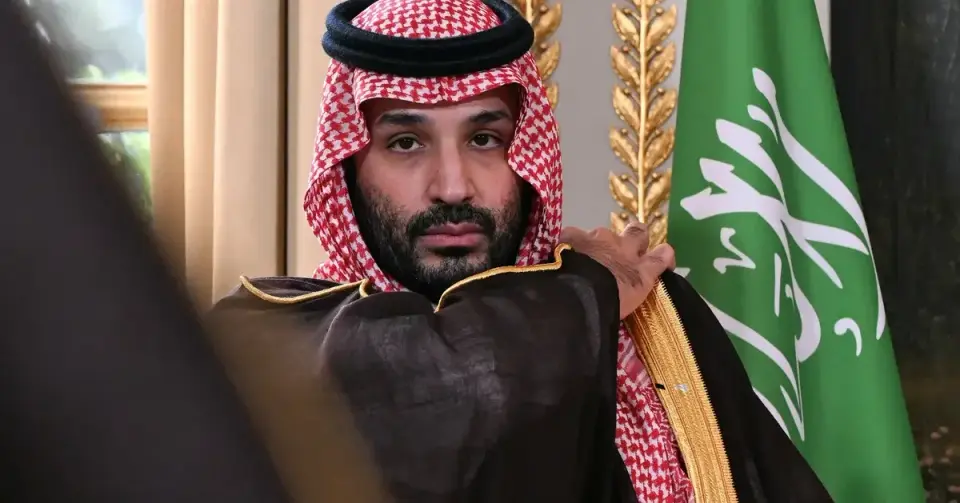
Crown Prince Mohammed bin Salman faces a perfect storm of security threats and economic headwinds that are undermining his ambitious 2030 vision. Houthi strikes on Saudi infrastructure have damaged the kingdom’s reputation as a stable energy provider and deterred international investment. Simultaneously, scaling back mega-projects like NEOM and the 2034 World Cup, coupled with rising defense costs, is straining the budget. While some figures like Richard Attias argue long-term stability remains intact, others note that geopolitical instability and diplomatic friction with the US are eroding Riyadh’s leverage.
Key points
- Houthi attacks on Saudi airports and energy infrastructure have killed over 20 people and disrupted shipping routes, damaging the Gulf’s reputation as a reliable energy source.
- The 10th Future Investment Initiative conference was postponed to 2026 due to security concerns, signaling a pause in the kingdom’s push to attract foreign capital.
- Major projects including NEOM and the 2034 World Cup are being scaled back, while government debt is rising due to increased defense spending and lower oil revenues.
- Diplomatic efforts to gain leverage from the US have faltered, with President Trump publicly mocking MBS despite a $1 trillion investment pledge from Riyadh.
- Richard Attias, who organizes key Saudi investment events, maintains that long-term political stability will still attract investors, despite current disruptions.
Background
This situation follows a period of rapid expansion in Saudi Arabia’s economic and social reforms, which had previously attracted significant international attention and investment. The current crisis marks a sharp reversal from the optimism of recent years, where MBS was seen as a dominant regional power broker. The archive notes that even major events like WWE Crown Jewel 2026 remain scheduled in Riyadh despite security alerts, highlighting the tension between maintaining normalcy and addressing real risks.
How outlets are covering it
Semafor emphasizes the structural limits of MBS’s power, arguing that the combination of an Iran war, Houthi attacks, and economic diversification failures creates a 'perfect storm' that exposes the fragility of his vision. In contrast, the Financial Times highlights the resilience of key figures like Richard Attias, who view the current disruptions as temporary setbacks rather than existential threats. Attias argues that long-term political stability and leadership remain the primary drivers for investor confidence, dismissing concerns about deterrence. Semafor, however, points to concrete evidence of scaling back projects and rising debt, suggesting that the economic foundation is weakening regardless of individual optimism.
Why it matters
The stability of Saudi Arabia’s economy and its role as a global energy supplier are critical to global markets. If the kingdom fails to maintain its reputation as a reliable partner, it could accelerate a global shift away from Gulf oil, impacting energy prices and geopolitical alliances. Furthermore, the success or failure of Saudi Arabia’s diversification efforts serves as a test case for other oil-dependent nations attempting to transition their economies.
What to watch
Investors and policymakers will watch closely for any further escalations in the Iran conflict or Houthi attacks, which could further disrupt energy supplies. The outcome of the postponed Future Investment Initiative and the pace of project scaling back will indicate whether Saudi Arabia can maintain its momentum in economic diversification. Additionally, the relationship between Riyadh and Washington will be a key factor in determining the kingdom’s ability to secure security guarantees and economic support.
- View / Saudi crown prince grapples with the limits of his power Semafor
- Saudi Arabia’s terrible year gets worse The Economist
- Davos in the Desert’s ‘old fox’ Richard Attias hit by Houthis’ Saudi attacks Financial Times
- Saudi Arabia postpones UN data forum, Saudi statistical event to 2027 Reuters
- Saudi Arabia Forced to Rethink Investment Strategy Because of Iran War Barron's
Want the full story? Read the original reporting
Read on Semafor