
Seoul and Kyiv clash over public disclosure of North Korean POW transfer
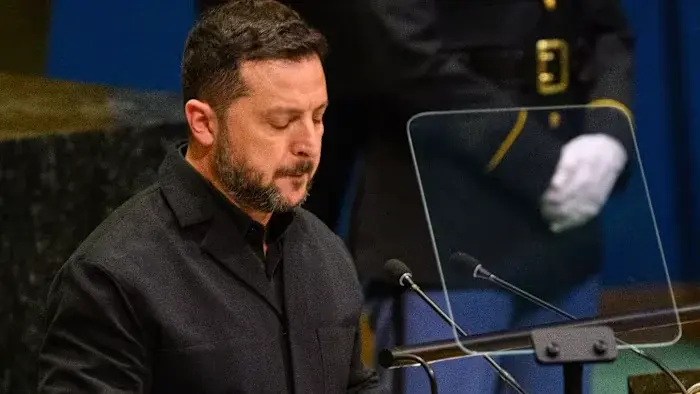
South Korea has formally demanded an apology from Ukraine after Kyiv publicly disclosed the transfer of two captured North Korean soldiers to Seoul. The dispute, triggered by President Volodymyr Zelenskyy’s speech at the UN General Assembly, centers on whether a confidentiality agreement existed. Seoul argues the disclosure violated a secrecy pact and endangers the safety of the defectors and their families in North Korea, while Kyiv denies any such agreement was ever made.
Key points
- South Korea’s presidential office expressed 'strong regret' over Ukraine's 'unilateral and abrupt' disclosure of the prisoner transfer, demanding an official explanation and apology.
- Ukrainian President Volodymyr Zelenskyy revealed at the UN General Assembly that two North Korean soldiers, captured in Russia’s Kursk region in January 2025, had been sent to South Korea.
- Kyiv’s communications adviser Dmytro Lytvyn denied the existence of a secrecy agreement, stating that the transfer was discussed at a foreign ministers' meeting but no presidential-level non-disclosure pact was reached.
- The two soldiers, the first North Korean troops captured alive since Pyongyang entered the war in 2024, expressed a desire to defect to South Korea after being interviewed by media.
- The diplomatic row has strained relations between Seoul and Kyiv, complicating South Korea’s efforts to secure arms from Ukraine and its broader diplomatic stance toward North Korea.
Background
This dispute occurs against the backdrop of North Korea’s significant military support for Russia, with estimates suggesting approximately 14,000 to 50,000 North Korean troops have been deployed to fight alongside Moscow. South Korea has faced domestic political pressure regarding its handling of the defectors, with opposition figures accusing President Lee Jae Myung of appeasing North Korea by keeping the transfer secret. The incident also highlights the ongoing tensions between the two Koreas, which remain technically at war due to the absence of a peace treaty since 1953.
How outlets are covering it
The Financial Times and CNN emphasize the diplomatic fallout, highlighting Seoul’s demand for an apology and the damage to bilateral trust. CNN notes that South Korea’s presidential office accused Kyiv of making a 'false announcement' regarding the non-disclosure agreement. Al Jazeera provides additional context on the soldiers' background, noting they were special forces members who could provide intelligence on North Korean military capabilities. While all sources agree on the core facts of the disclosure and the subsequent dispute, they differ in emphasis: the Financial Times focuses on the broader implications for South Korea’s relations with both Ukraine and North Korea, while Al Jazeera details the legal and security screening processes the defectors will undergo in South Korea. Kyiv’s perspective, as reported by the Financial Times and CNN, is that there was no presidential-level agreement to keep the transfer secret, and that Seoul’s secrecy was unreasonable given the public nature of the soldiers' interviews.
Why it matters
The dispute underscores the delicate balance between humanitarian transparency and strategic secrecy in international relations, particularly involving North Korea. It highlights the risks faced by defectors and their families in North Korea, where collective punishment is common. The incident also complicates South Korea’s diplomatic efforts with both Ukraine and North Korea, potentially affecting future military cooperation and diplomatic negotiations. Furthermore, it raises questions about the handling of sensitive intelligence and the protection of defectors in a geopolitical context where North Korea’s military involvement in the Russia-Ukraine war is a significant concern.
What to watch
South Korea’s Ministry of Unification is expected to review the cases of the two defectors under relevant laws, including the North Korean Defectors Protection and Settlement Support Act. The National Intelligence Service will investigate the applicants in temporary protective custody. The outcome of this review will determine whether the soldiers are granted protection and resettled in South Korea. Additionally, the diplomatic row may lead to further consultations between Seoul and Kyiv to address the breach of trust and potentially repair bilateral relations. The dispute may also influence South Korea’s future diplomatic stance toward North Korea and its cooperation with Ukraine on military and humanitarian issues.
- Seoul accuses Ukraine of violating secrecy pact on North Korean soldiers Financial Times
- Seoul demands an apology after Zelenskyy reveals North Korean POWs were sent to South Korea AP News
- South Korea demands apology from Ukraine over disclosure of North Korean POW transfer CNN
- What comes next for North Korea soldiers transferred from Ukraine to South Korea? Reuters
- Why South Korea is demanding an apology from Ukraine over North Korean PoWs aljazeera.com
Want the full story? Read the original reporting
Read on Financial Times