
Seoul Weighs Hormuz Deployment Amid Alliance Friction
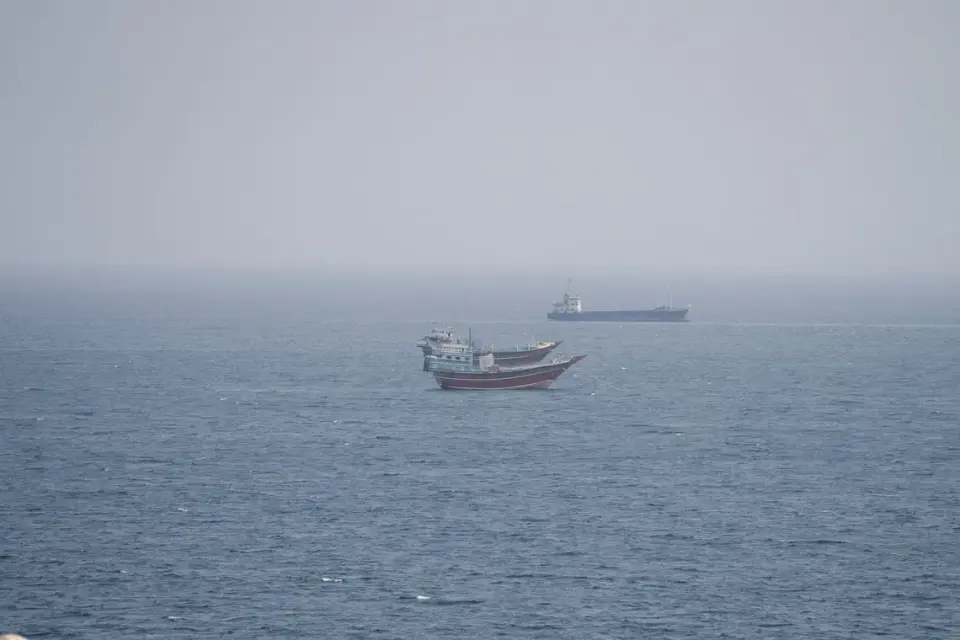
South Korea is evaluating military options to support freedom of navigation in the Strait of Hormuz, including deploying patrol aircraft or mine-clearing units, though no decision has been finalized. The move comes amid tensions with Washington over scaled-back joint drills and potential economic concessions. While Seoul cites strategic alliance management and energy security, domestic opposition remains high, and parliamentary approval is required for any overseas deployment.
Key points
- The South Korean presidential office confirmed on September 4 that military measures are among the options under review for the Strait of Hormuz, denying reports that a deployment decision had already been made.
- Potential assets include maritime patrol aircraft, logistics support vessels, or mine detection units, with discussions ongoing with the US, UK, and France regarding the scale of contribution.
- President Lee Jae Myung may discuss the issue with French President Emmanuel Macron next week, while domestic legal procedures and military readiness on the Korean Peninsula remain key constraints.
- South Korea relies on the Strait of Hormuz for 61% of its crude oil and 54% of its naphtha imports, making the waterway critical for economic stability.
- A Gallup Korea poll from March showed 55% of the public opposed sending warships to the region, highlighting potential domestic resistance to a deployment.
Background
This development follows a period of shifting US-South Korea relations, where President Trump scaled back joint military exercises in August 2026, citing Seoul’s lack of support in the US-Iran conflict. This move was part of a broader retooling of the alliance toward economic integration, with Seoul touting significant US investment commitments. Earlier in August, tensions in the region escalated as Iran signaled a more offensive posture following the expiration of a US-Iran memorandum of understanding, while trilateral drills involving the US, South Korea, and Japan were conducted amid North Korean pressure.
Why it matters
A potential deployment would signal Seoul’s commitment to alliance responsibilities despite recent friction, potentially reinforcing its status as a reliable US partner. However, it also risks straining domestic support and diverting military resources from the Korean Peninsula, where readiness remains a priority. The decision could set a precedent for South Korea’s role in global maritime security, marking its first such deployment outside the peninsula since 2009.
What to watch
Seoul must navigate domestic legal procedures, including National Assembly approval, and assess military readiness. President Lee may discuss the issue with French President Macron in the coming week. Public opinion remains a significant hurdle, with majority opposition to warship deployments in the region. Any final decision will likely balance alliance expectations with domestic political constraints and energy security needs.
Want the full story? Read the original reporting
Read on The Straits Times