
Six Months In, the Iran War Leaves the US in a Strategic Stalemate and Global Security Vacuum
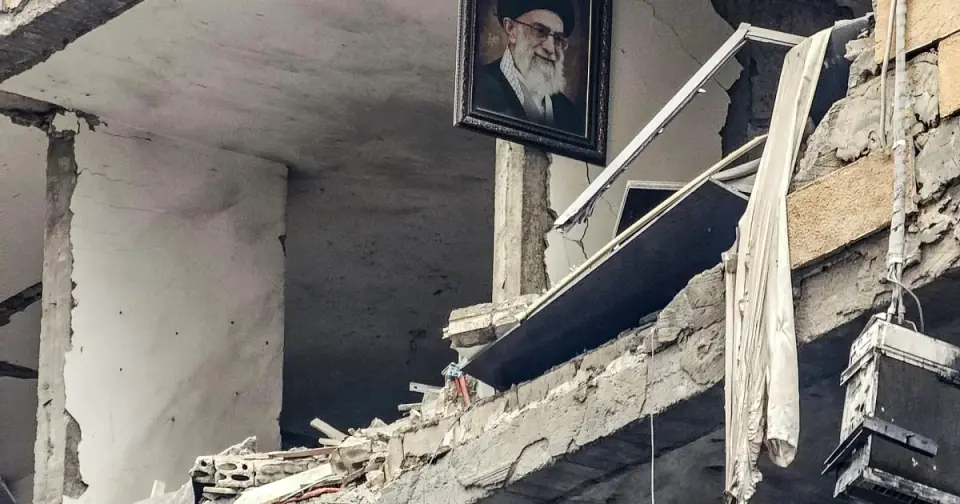
The U.S.-Israel campaign against Iran has stalled into a six-month stalemate, failing to achieve regime change or secure the Strait of Hormuz. While Washington pivots to economic pressure, the conflict has weakened global security postures in Ukraine and the Pacific, boosted Turkish influence, and fueled new waves of extremism.
Key points
- The conflict began on February 28, 2026, with U.S. and Israeli strikes that killed Supreme Leader Ali Khamenei and damaged nuclear infrastructure. A Pakistan-mediated ceasefire halted major fighting in June, but sporadic strikes continue.
- President Trump’s initial expectation of a four-to-six-week victory has proven a miscalculation. The U.S. has shifted to 'Operation Economic Outcast,' using sanctions to pressure Tehran, though analysts argue this may not force regime collapse.
- The war has diverted critical military resources, leaving the U.S. without a carrier in the Pacific and reducing interceptor supplies for Ukraine. This has emboldened adversaries and weakened deterrence in the South China Sea and the Korean Peninsula.
- Turkey has emerged as a regional winner, signing the Mecca Joint Defense Agreement with Saudi Arabia and Pakistan in August. Ankara’s influence has grown regardless of the war’s final outcome, positioning it as a key counterweight to Iran.
- Iran has leveraged the conflict to radicalize global youth through sophisticated online propaganda. Proxy networks, including the 'Foxtrot Network,' have conducted attacks in Europe and the U.S., creating a persistent security threat even if hostilities cease.
Background
This briefing synthesizes the six-month mark of the Iran war, a conflict that began in late February 2026. Previous coverage noted the shift from military strikes to economic sanctions and the evolving nature of the stalemate. The current situation reflects a broader pivot in U.S. strategy, moving from kinetic victory to containment, while regional powers like Turkey and Gulf states adjust their alliances in response to the shifting balance of power.
How outlets are covering it
CFR experts characterize the situation as a 'strategic defeat' for Washington, noting that freedom of navigation in the Strait of Hormuz is compromised and Iran’s nuclear incentives remain high. CNN analysts emphasize the 'unintended consequences' of the war, highlighting how the diversion of resources has weakened U.S. deterrence in Ukraine and the Pacific, potentially allowing adversaries to expand their influence. AP News focuses on the ongoing diplomatic efforts by regional powers to find an off-ramp, while noting continued attacks on shipping. There is a divergence in emphasis: CFR focuses on the domestic and regional security implications of extremism, while CNN highlights the global strategic vacuum created by the U.S. focus on the Middle East.
Why it matters
The protracted nature of the Iran war has reshaped global security dynamics, exposing vulnerabilities in U.S. defense commitments across multiple theaters. The conflict has not only destabilized the Middle East but has also weakened deterrence in Asia and Europe, potentially emboldening other adversaries. Furthermore, the rise of online radicalization and proxy attacks poses a long-term threat to global security, suggesting that the consequences of the war will persist even if a ceasefire is reached.
What to watch
The U.S. is likely to continue its economic pressure campaign while seeking a compromise that secures the Strait of Hormuz. Regional powers, particularly Turkey and Saudi Arabia, will likely deepen their security cooperation to fill the vacuum left by U.S. strategic distraction. The conflict may evolve into a long-term stalemate, with sporadic strikes and economic warfare, while the U.S. grapples with the challenge of rebuilding its global deterrence posture.
- The Iran War at Six Months: A Region—and Its Relationship With the U.S.—Transformed Council on Foreign Relations
- After six months, the Iran war has reached its endgame — a costly stalemate Reuters
- US goals have shifted after 6 months of Iran war. The Strait of Hormuz is now a top concern Dallas News
- Six months on, Trump’s Iran ‘excursion’ risks igniting crises far beyond the Middle East CNN
- Regional powers seek off-ramp from Iran war, and other Middle East developments AP News
Want the full story? Read the original reporting
Read on Council on Foreign Relations