
South Korea Proposes Military Talks to Resolve Border Dispute After Mine Blasts
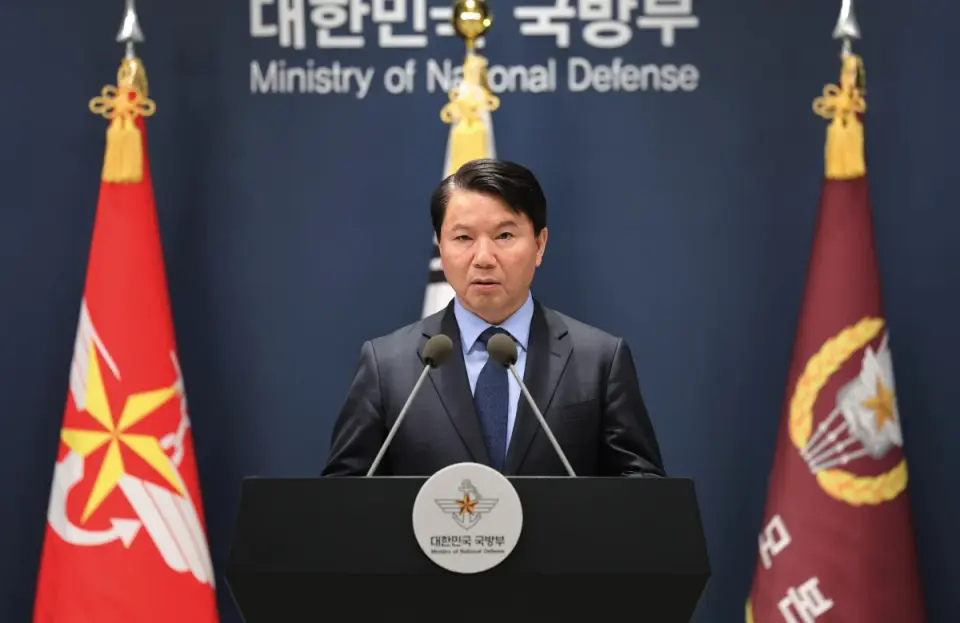
South Korea has formally proposed military talks with North Korea to resolve disputes over the location of the Military Demarcation Line (MDL) and prevent accidental clashes. This move follows recent mine blasts that injured three South Korean soldiers and a surge in North Korean border fortifications. While Seoul seeks dialogue, North Korea’s leadership, particularly Kim Yo Jong, has rejected negotiations, threatened to resume loudspeaker propaganda, and moved tactical units into firing positions along the border.
Key points
- South Korea’s Ministry of National Defense proposed talks to confirm the exact location of the MDL and restore communication lines, citing unresolved disputes as a risk for accidental clashes.
- The proposal follows September 21 mine blasts that injured three South Korean soldiers; Seoul attributes the blasts to North Korean mines, while Pyongyang denies responsibility and rejects Seoul’s demand for an apology.
- Kim Yo Jong, sister of North Korean leader Kim Jong Un, visited frontline areas and announced that North Korea will resume anti-South Korean loudspeaker propaganda within October and place new counter-measures on alert.
- North Korean officials, including Marshal Pak Jong Chon, denied that their soldiers crossed the border during fortification work, calling South Korean claims a 'false pretext' and threatening an 'overwhelming response' to provocations.
- South Korea’s military reported that North Korean soldiers crossed the MDL 50 times this year during fortification work, prompting Seoul to fire warning shots, which Pyongyang condemned as aggressive interference.
Background
Tensions along the Korean border have escalated significantly since 2024, when North Korea began reinforcing its side of the Demilitarized Zone (DMZ) with mines, fences, and barriers, declaring it a permanent border. This shift followed a broader diplomatic stalemate, with Kim Jong Un suspending virtually all dialogue with Seoul. Recent events, including the September 21 mine blasts and Kim Yo Jong’s recent border inspections, mark a sharp increase in hostility compared to the previous year, when South Korea’s liberal government had halted its own loudspeaker broadcasts to improve ties.
How outlets are covering it
AP News and Al Jazeera emphasize South Korea’s diplomatic initiative, highlighting the formal proposal for talks to resolve the MDL dispute and prevent accidental clashes. CBS News focuses on the military escalation, noting concerns from experts about North Korea’s deployment of 'tactical units' and the potential for artillery or missile units to move to the front lines. NPR highlights the psychological warfare aspect, detailing Kim Yo Jong’s announcement to resume loudspeaker propaganda and the North’s framing of South Korean warning shots as provocations. All sources agree that North Korea has rejected dialogue, with Kim Yo Jong calling bilateral talks a 'farce,' but differ in emphasis: AP and Al Jazeera focus on the diplomatic offer, while CBS and NPR highlight the military and psychological threats.
Why it matters
The unresolved dispute over the MDL’s exact location increases the risk of accidental military clashes, potentially leading to a broader conflict on the Korean Peninsula. The resumption of loudspeaker propaganda and the deployment of tactical units signal a shift from rhetorical threats to concrete military preparations, raising concerns about regional stability and the potential for a new Cold War-era confrontation. The failure of previous diplomatic efforts underscores the deepening rift between the two Koreas and the challenges of managing a heavily armed border in a period of heightened tension.
What to watch
It remains unclear whether North Korea will accept South Korea’s proposal for talks, as Kim Jong Un has suspended virtually all dialogue in recent years. If North Korea rejects the offer, tensions may continue to escalate, with potential further military provocations or the resumption of loudspeaker propaganda. South Korea may take 'proportionate measures' in response to North Korean actions, while the U.S.-led United Nations Command may be involved in three-way talks if Seoul’s proposal is accepted. The situation could also influence broader diplomatic dynamics, including North Korea’s relations with the U.S. and China.
- South Korea proposes military talks with North Korea to calm rising border tensions AP News
- North Korea's Kim Yo Jong warns South Korea, says border loudspeakers to be ready within days Reuters
- Tension along Korean border fuels concern as Kim Jong Un's sister issues "not a threat, but a clear warning" CBS News
- North Korea says it will resume propaganda broadcasts across border into South Korea NPR
- South Korea invites North for military talks over border Al Jazeera
Want the full story? Read the original reporting
Read on AP News