
Finnish President Cites China’s Private Assurance Against Russian Nuclear Use
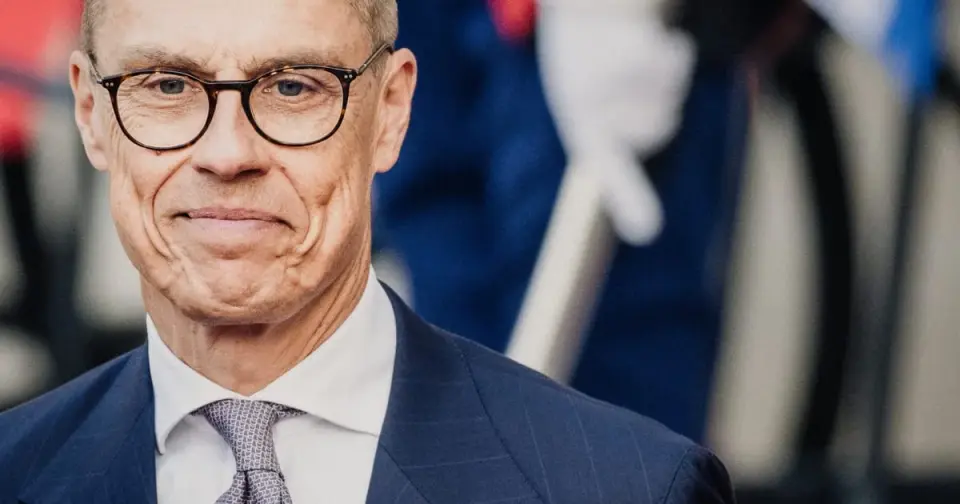
Finnish President Alexander Stubb stated that China has privately assured Helsinki it will not permit Russia to use nuclear weapons, describing this as effective deterrence. Stubb argued that Moscow benefits from European anxiety over nuclear escalation and urged calm vigilance. He also called for eventual direct political dialogue between Europe and Russia to prevent misunderstandings, despite current tensions.
Key points
- Stubb revealed that Chinese Foreign Minister Wang Yi told him in July that Beijing would never allow Russia to use nuclear weapons.
- The Finnish leader characterized this assurance as 'pretty good deterrence' against Moscow escalating the war in Ukraine.
- Stubb suggested Russia intentionally keeps Europeans focused on nuclear threats to distract from other issues.
- He advocated for a calm, collected approach, warning against dramatizing the situation while preparing for the worst.
- Stubb indicated Europe should eventually reopen direct political dialogue with Russia to avoid misunderstandings, though he noted this is not yet the immediate priority.
Background
Finland joined NATO after Russia’s full-scale invasion of Ukraine and shares a 1,340-kilometer border with Moscow. Recent incidents, including a drone entering Finnish airspace near Helsinki in May, have heightened security concerns, though Stubb previously insisted Finland was not facing a direct military threat. This statement follows broader European efforts to support Ukraine while managing tensions with Russia, amid ongoing discussions about potential diplomatic channels with Moscow.
Why it matters
The claim that China acts as a brake on Russian nuclear escalation introduces a new dimension to the Ukraine war dynamics, suggesting Beijing’s influence may extend beyond economic support to strategic restraint. Stubb’s call for future dialogue with Russia signals a potential shift in European security strategy, balancing immediate support for Ukraine with long-term diplomatic engagement to prevent conflict escalation.
What to watch
Europe may continue supporting Ukraine while monitoring Russian actions, with potential future discussions on direct political dialogue with Moscow if conditions allow. Stubb’s stance suggests a gradual approach to de-escalation, prioritizing vigilance and preparation over immediate confrontation.
Want the full story? Read the original reporting
Read on politico.eu