
Ukraine's Drone Strategy Sparks Debate Over Military Reality vs. Media Narrative
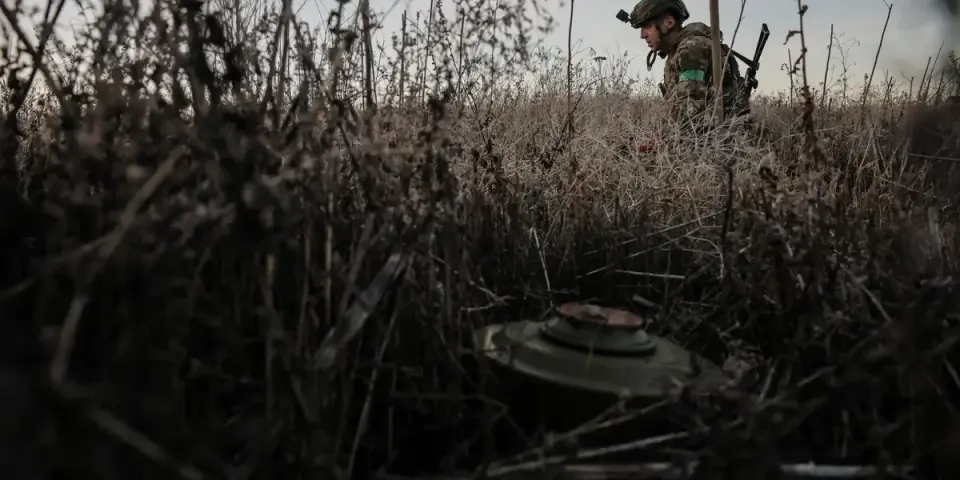
Western media is increasingly framing Ukraine's recent drone successes as a decisive turning point, but military experts warn this narrative ignores Russia's continued ground gains and the lack of a viable path to total victory. While Kyiv claims leverage through strikes on Russian energy infrastructure, critics argue this overstatement prolongs the war and delays necessary negotiations. The situation remains contested, with some analysts viewing Ukraine's attrition strategy as effective, while others see it as a temporary tactical advantage that does not alter the broader strategic stalemate.
Key points
- Responsible Statecraft reports that outlets like TIME, CNN, and Defense One are currently portraying Ukraine's drone advances as a 'turning point' or even a victory, a narrative they argue is disconnected from 'basic military reality.'
- Experts cited by Responsible Statecraft, including Daniel Davis and Michael Desch, state that while Ukrainian drone strikes on Russian refineries and supply hubs are damaging, they do not disrupt Moscow's core ability to wage a war of attrition, and Russia continues to make slow but consistent gains on the ground in Eastern Ukraine.
- RAND argues that Ukraine is effectively winning through a strategy of attrition, utilizing business principles to maximize Russian casualties and economic costs, with former Defense Minister Mykhailo Fedorov's plan targeting 50,000 Russian soldiers killed monthly.
- 19FortyFive notes that Ukraine has retaken 270 square miles of territory this year and is causing a fuel shortage in Russia, leading to increased U.S. support, including a license for Ukraine to produce Patriot interceptors and new sanctions targeting Russian oil tankers.
- NPR reports that Ukrainian negotiator Sergiy Kyslytsya claims Kyiv has the 'upper hand' due to long-range strikes, but notes that official U.S.-mediated peace talks have stalled since early 2026 as the Trump administration focuses on the Iran conflict.
- Responsible Statecraft highlights that pro-Ukraine commentators, such as Ben Hodges, have repeatedly predicted Russian collapse or the retaking of Crimea, yet these predictions have not materialized, leading to a cycle of overhyped expectations that downplay the need for a negotiated solution.
Background
This debate follows a period of stalled diplomatic progress. Our archive from July 1, 2026, noted that Russia's push for Donetsk Oblast was stalling, with progress at only 3.8 square kilometers per day, far below the pace needed to meet Kremlin deadlines. Additionally, previous coverage highlighted the ongoing impact of Russian strikes on Ukrainian energy infrastructure and the demographic crisis in Ukraine, which complicates the narrative of a clear military victory for Kyiv.
How outlets are covering it
The sources present a sharp divide in interpretation. Responsible Statecraft and its cited experts (Davis, Desch, Posen, Episkopos) argue that Western media is dangerously upselling Ukraine's position, ignoring Russian ground gains and the reality that drones alone cannot secure a military victory, thereby prolonging the war. In contrast, RAND and 19FortyFive view Ukraine's drone and attrition strategy as a genuine shift in momentum, citing economic damage to Russia and territorial retakes as evidence of a 'winning' strategy. NPR reflects the official Ukrainian position, with negotiator Kyslytsya asserting that Kyiv has the 'upper hand' and is forcing Russia toward the negotiating table, while acknowledging that formal talks are currently stalled due to U.S. focus on Iran. The disagreement centers on whether tactical drone successes translate to strategic military victory or merely delay the inevitable need for a negotiated peace.
Why it matters
The framing of the war's trajectory influences Western policy and aid. If the 'turning point' narrative persists, it may justify continued military aid and delay diplomatic efforts, potentially prolonging the conflict and increasing casualties. Conversely, recognizing the limits of drone warfare could accelerate negotiations. The outcome affects not only the war's end but also U.S. defense industrial partnerships, such as the new agreement for joint drone production and Patriot interceptor licenses, which could reshape transatlantic security dynamics.
What to watch
The next critical developments will likely involve the implementation of new U.S. sanctions against Russian oil tankers and the finalization of the Patriot interceptor production license. Additionally, the potential visit of U.S. negotiators Steve Witkoff and Jared Kushner to Kyiv could signal a shift in diplomatic engagement. On the battlefield, the effectiveness of Ukraine's continued long-range strikes against Russian energy infrastructure will be monitored to see if they force a change in Russian strategy or lead to a new round of mobilization, as Russia is expected to mobilize 300,000 to 500,000 additional troops around October.
- Ukraine's 'turned tide' doesn't comport 'with basic military reality' Responsible Statecraft
- Ukraine's Winning Strategy Against Russia: Attrition RAND
- A Year Ago Putin Had the Momentum. Now Russia Is Importing Fuel and Ukraine Is Taking Ground. 19FortyFive
- Ukraine negotiator: 'We have the upper hand' Little Rock Public Radio
- Opinion: Ukrainian war remakes war The Sumter Item
Want the full story? Read the original reporting
Read on Responsible Statecraft