
Trump’s Contradictory Iran Posture Leaves Gulf Diplomacy in Limbo
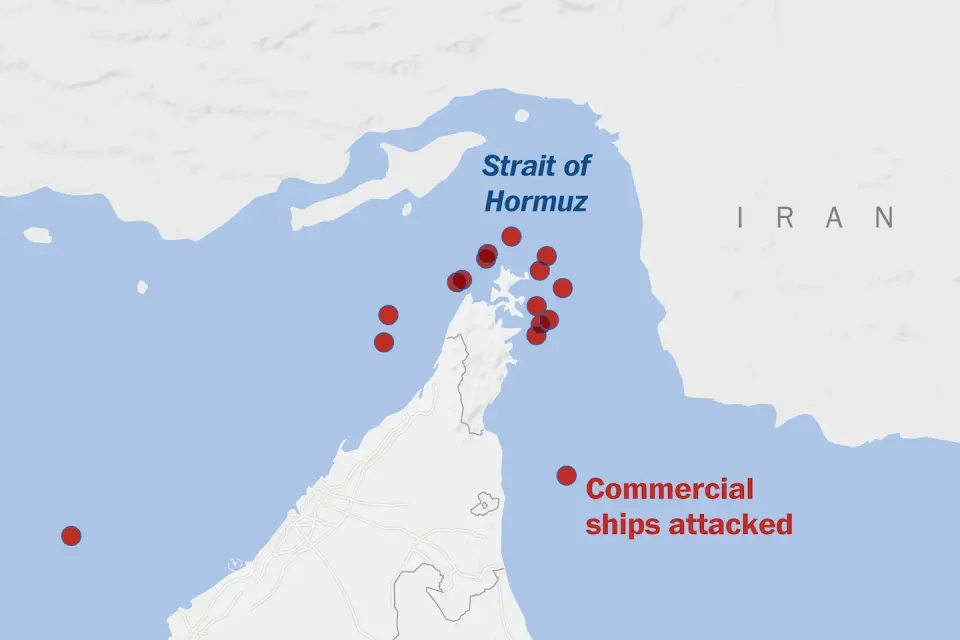
Following Republican midterm losses, President Trump has issued contradictory signals on the Iran conflict, declaring the war 'militarily over' while simultaneously warning of new strikes. This ambiguity has stalled diplomatic efforts in the Strait of Hormuz, leaving the U.S. in a stalemate between economic pressure and potential military escalation.
Key points
- Trump acknowledged the Iran war contributed to Republican midterm losses but maintained it was the right decision.
- He declared the conflict 'militarily effectively over' after meeting Qatar’s prime minister, yet later warned Iran the U.S. is 'locked and loaded.'
- Trump directed Vice President JD Vance to abandon peace talks and focus on domestic anti-fraud efforts, citing Iranian bad faith.
- Secretary of State Marco Rubio argued that economic pressure is collapsing the Iranian regime, making military action unnecessary.
- Iran’s deputy U.N. ambassador warned of an 'immediate and decisive response' if the U.S. or Israel resume bombing.
- The Iranian rial has lost a quarter of its value since August, and inflation reached 90% in September due to U.S. sanctions and naval blockades.
Background
The current diplomatic limbo follows a period of intense economic pressure on Iran, which had already damaged the Republican Party’s standing in the lead-up to the November 3 midterm elections. Previous coverage noted that rising gasoline prices and economic dissatisfaction from the conflict were key drivers of voter dissatisfaction, contributing to a historic low approval rating for Trump and a significant Democratic lead in congressional races. The current situation represents a shift from active military engagement to a phase of ambiguous strategic posturing, where the administration is testing the limits of economic coercion without a clear diplomatic exit strategy.
How outlets are covering it
Outlets highlight different aspects of the administration’s confusion. The Washington Post emphasizes the contradiction between Trump’s public declarations of victory and his continued threats of force, noting that this ambiguity has paralyzed mediation efforts. AP News focuses on the internal friction, detailing how Trump sidelined Vance just as the vice president was considering re-engaging with Iranian negotiators, creating a sense of 'limbo' for mediators like Qatar. USA Today frames the issue as a strategic failure, arguing that the administration lacks a coherent framework and that a combined approach of economic pressure, military deterrence, and diplomacy is necessary to resolve the impasse. While Rubio insists the economic pain is sufficient, analysts like Michael Singh suggest the status quo is a stalemate, with the U.S. maintaining a naval blockade while Iran refuses to negotiate without lifting sanctions and releasing frozen assets.
Why it matters
The lack of a clear strategy risks prolonging global economic turmoil and destabilizing the Strait of Hormuz, a critical route for oil and gas. As the U.S. prepares for a three-way summit with China and Russia, the unresolved Iran issue threatens to complicate broader geopolitical negotiations. Furthermore, the administration’s inability to define its endgame may erode trust among allies who were not consulted before the war began, while the continued economic suffering of Iran could lead to unpredictable regional reactions if the regime feels cornered.
What to watch
Diplomats expect a holding pattern as they await clarification from the White House. Trump is scheduled to discuss Iran and nuclear stockpiles with Xi Jinping and Vladimir Putin during an APEC meeting in Shenzhen next week. If Iran remains unwilling to compromise on its nuclear program or the U.S. blockade, the status quo of economic pressure and naval restrictions may persist, with the possibility of renewed military action if Iran disrupts shipping in the Strait of Hormuz.
- Trump is trying to put the Iran war behind him, but it’s not over The Washington Post
- The War Room newsletter: Will America or Iran blink first? The Economist
- With shifting Iran rhetoric following US elections, Trump leaves Mideast in limbo about path ahead AP News
- Trump tells advisers he may hold off on Iran attacks barring new provocations, sources say Reuters
- Trump keeps weighing his Iran options. He should do them all | Opinion USA Today
Want the full story? Read the original reporting
Read on The Washington Post