
Trump's abrupt cut to U.S.-South Korea drills triggers alliance crisis and regional defense realignment
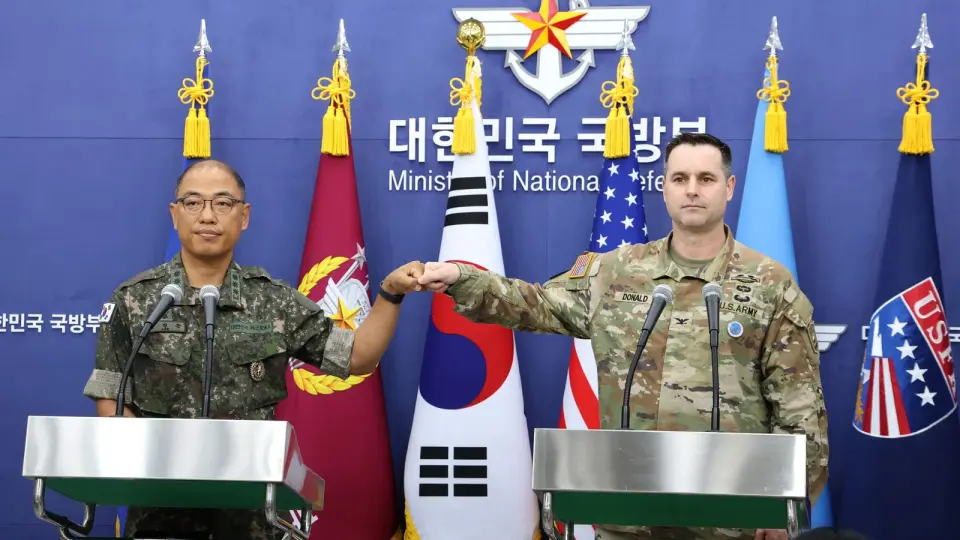
President Trump ordered a sharp reduction in joint U.S.-South Korean military exercises, citing North Korean relations, but the move has triggered a crisis of confidence among Asian allies. While the U.S. insists readiness remains intact, experts warn the decision undermines deterrence as North Korean troops gain combat experience in Ukraine. The action has prompted regional partners to accelerate independent defense spending and diversify alliances, fearing U.S. commitment is now contingent on shifting geopolitical priorities.
Key points
- Trump directed Defense Secretary Pete Hegseth to 'substantially reduce' the Ulchi Freedom Shield exercises, shortening the 11-day drill from Aug. 17-27 to end early Friday.
- South Korea was not notified in advance of the decision, with Foreign Minister Cho Hyun describing the move as an insult to the alliance.
- Ukrainian President Volodymyr Zelenskyy reported that North Korea is deploying up to 50,000 additional troops to aid Russia, creating a 'dangerous operational disconnect' as U.S. readiness testing is curtailed.
- Asian allies are accelerating independent defense strategies, including Japan and the Philippines securing supply chains and India and Vietnam launching weapons co-production, to reduce reliance on Washington.
- North Korea’s Kim Yo Jong rejected the gesture as 'open hostility,' stating Pyongyang focuses on the fact that drills are still staged rather than the reduction in scope.
Background
This development follows a pattern of U.S. policy shifts in the region, including a delayed $14 billion arms sale to Taiwan in May as a bargaining chip with China. Previous coverage noted bipartisan alarm over the 73-year alliance and warnings that scaling back drills could bolster Russia’s hand in Ukraine. South Korea’s leader had previously pledged to maintain joint drills despite the order, but current discussions between Seoul and Washington are described as 'messy' with no specific plans from U.S. Forces Korea.
How outlets are covering it
Outlets diverge on the strategic implications of the move. CNBC and The New York Times emphasize the erosion of U.S. credibility and the risk to combat readiness, noting that North Korean troops are refining modern tactics in Ukraine while U.S. allies are denied stress-testing opportunities. The Washington Post frames the decision as strategic confusion, linking it to the redeployment of the USS George Washington to the Middle East for the Iran war, which it argues inverts Trump’s own foreign policy mantra. Politico highlights the broader regional impact, noting that Asian allies are now viewing U.S. commitments as 'transactional' and are forging alternate partnerships with Australia, Europe, and each other to insulate their defense capabilities from future policy disputes. While a U.S. official told Reuters that scaled-back drills preserve essential readiness, experts like Lami Kim and Henry Haggard argue the move undermines deterrence precisely as adversary proficiency expands.
Why it matters
The decision signals a potential shift from a stable U.S. security umbrella to a contingent, transactional alliance model in the Indo-Pacific. This could accelerate the rise of independent defense capabilities among Asian nations, potentially weakening the U.S. counterweight to China and creating a more fragmented regional security architecture. The lack of advance notification to Seoul also sets a precedent for unilateral U.S. action that could destabilize long-standing diplomatic relationships.
What to watch
Trump is scheduled to meet with North Korean leader Kim Jong Un later this year, a move that may further strain U.S.-South Korean ties. Asian allies are expected to continue accelerating defense spending and diversifying partnerships, with potential long-term implications for the U.S.-Japan alliance and the broader Indo-Pacific security framework. South Korea’s President Lee Jae Myung is pursuing joint discussions with U.S. officials to restore military ties, but talks are currently described as 'messy' with no clear resolution.
- Trump scaling down U.S.-South Korea drills could risk more than just joint military readiness CNBC
- Trump’s Order to Cut Military Exercises With South Korea Carries Risks, Experts Say The New York Times
- Opinion | Trump inverts his own foreign policy mantra The Washington Post
- Under Trump, America's Pivot to Asia Takes a U-Turn Bloomberg.com
- Trump’s snub of South Korea sends region scrambling Politico
Want the full story? Read the original reporting
Read on CNBC