
Trump’s Surprise Call to European Allies Highlights Deep Rifts Over Ukraine Aid and Peace Terms
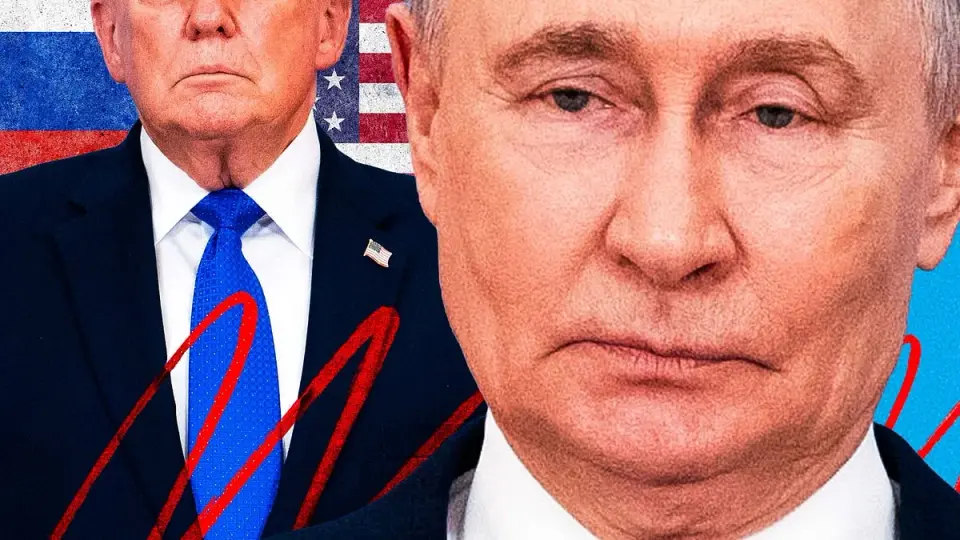
President Donald Trump unexpectedly called into a Berlin meeting of the 'Coalition of the Willing' from Air Force One after concluding a trilateral summit with Vladimir Putin and Xi Jinping in Shenzhen. Trump urged European leaders to halt military aid to Ukraine, arguing that funds could be better spent domestically if a peace deal were reached. He claimed Putin was serious about negotiations, a stance sharply contradicted by Putin’s public threats of retaliation and maximalist territorial demands. European leaders, including German Chancellor Friedrich Merz and UK Prime Minister Andy Burnham, pushed back, insisting that continued support for Kyiv is necessary to achieve peace from a position of strength. Ukrainian President Volodymyr Zelensky expressed skepticism about Putin’s intentions, noting that Russia has not dropped its demand for Ukraine to cede the Donbas region. While US envoys Steve Witkoff and Jared Kushner assured allies that Washington supports ending the war, the incident exposed significant friction between the US and its European partners regarding the pace and terms of any potential settlement.
Key points
- Trump called the Coalition of the Willing meeting in Berlin from Air Force One, surprising attendees, to criticize European spending on Ukraine aid.
- Trump asserted that Putin is ready to negotiate peace, while Putin publicly vowed to retaliate for Ukrainian strikes on the Crimean bridge and maintained demands for Ukrainian withdrawal from Donbas.
- European leaders, including Merz and Burnham, rejected the notion that aid should stop, arguing that military support is essential for peace negotiations.
- Zelensky stated he is more skeptical than the US about Putin’s willingness to compromise, particularly regarding territorial concessions.
- US envoys Witkoff and Kushner attended the Berlin meeting to reassure allies, claiming the US goal is to end the war with Europe as a partner, not to impose terms.
Background
The 'Coalition of the Willing' is a group of over thirty countries, led by the UK and France, formed to coordinate support for Ukraine. This follows a nine-month hiatus in peace talks, which resumed in Abu Dhabi in November 2026. The recent trilateral summit in Shenzhen between Trump, Putin, and Xi Jinping was criticized by some commentators as a propaganda event rather than a substantive diplomatic breakthrough. Previous tensions include US Defense Under Secretary Elbridge Colby’s criticism of European reliance on homegrown defense industries and his walkout from a NATO defense meeting in Brussels.
How outlets are covering it
The Bulwark characterized Trump’s actions as aligning the US with Russia, comparing the Shenzhen summit to the 1945 Yalta conference but noting it lacked substantive agreements. The Washington Post highlighted the contradiction between Trump’s private reassurances to Europeans and Putin’s public threats, noting that Trump compared the war to the Battle of Gettysburg. Politico emphasized the surprise nature of the call and the European officials’ anonymity in describing the private meeting. Reuters, via Zelensky, reported that Trump’s tone was not threatening but focused on financial efficiency, while Zelensky remained skeptical of Putin’s sincerity. European leaders, such as Merz, framed continued aid as a prerequisite for peace, whereas Trump framed it as wasteful spending that prolongs the conflict.
Why it matters
The incident reveals a critical fracture in the Western alliance regarding the strategy for ending the war in Ukraine. If the US shifts away from supporting Ukraine, it could embolden Russia and undermine European security guarantees. The divergence between US and European positions on aid and peace terms could complicate future negotiations and potentially leave Europe without a unified front against Russian aggression. The outcome of these diplomatic tensions will influence the stability of the region and the future of NATO’s role in European defense.
What to watch
US envoys Witkoff and Kushner are expected to relay the European allies’ united stance to the White House and Russian negotiators. Zelensky has expressed readiness to attend a G20 meeting in Miami next month, though he has not yet been invited. European leaders are pushing for an agenda and timing for the next round of peace talks, while Russia is expected to delay such meetings. The full extent of damage to the Crimean bridge and subsequent Russian retaliation remain to be seen, potentially influencing the immediate diplomatic landscape.
- America Is Part of the Axis of Evil The Bulwark
- Trump told European leaders they were spending a lot on Ukraine, Zelenskiy says Yahoo
- After Putin talks, Trump tells Europe it could save lives and cash if Ukraine war ends POLITICO.eu
- Trump says Putin wants peace in Ukraine even as Putin vows to fight The Washington Post
- Trump tells skeptical Europeans: "Putin wants to end the war" Axios
Want the full story? Read the original reporting
Read on The Bulwark